
Transforming Ideas into Powerful Digital Solutions
We deliver digital transformation, AI innovation, and ERP excellence that moves businesses forward
Get Started TodayTrusted by changemakers - from innovative disruptors to established business entities















Solutions That Drive Growth
We combine digital strategy with next-gen technologies to solve business challenges, simplify operations, and keep transformation going

AI Agent Development Services
Our Agentic AI development company can provide real AI capabilities for automating workflows, improving efficiency, and better decision-making
Learn More→
Digital Transformation Services
We help businesses grow in the digital age by accelerating automation, analytics, and smooth legacy restoration.
Learn More→
AI Development Services
We help businesses smoothly by using technology to streamline tasks, gain insights from your data, and build tailored AI tools.
Learn More→
ERPNext Development Services
Complete ERP solutions that optimizes workflows, maximizes productivity, streamline operations, and increase business efficiency.
Learn More→
IT Consulting Services
We offer a range of technology services to help your business thrive including expert IT consulting to optimize your systems.
Learn More→
ERP Software Development Services
Customized solutions using ERPNext to streamline your operations and business workflows to withstand competitive trends.
Learn More→Driving Results, Creating Value
Our milestones reflect the impactful growth and long-term results we bring to clients
Real Results, Real Impact
Explore how we're solving real-world challenges with transformative solutions
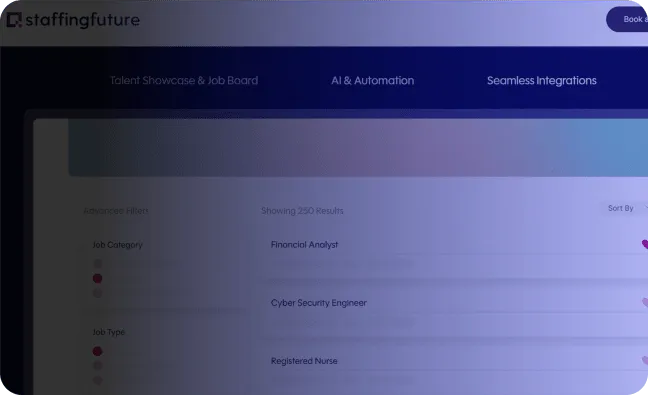
Setting Up an Offshore Technical Development Team for Staffing Future
Recruitment & Staffing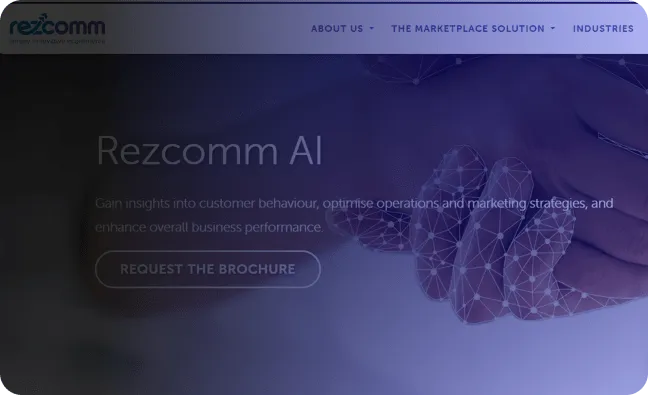
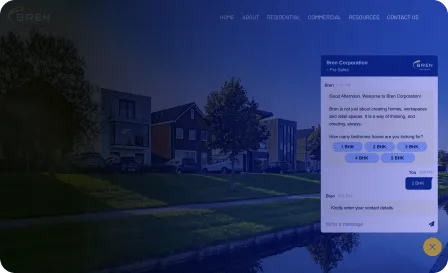
Transforming Customer Engagement with Digital Solutions for Rezcomm
Travel & Aviation
Meet the minds behind the magic
Our team blends creativity, technical mastery, and strategic thinking to deliver solutions that matter
Get to Know UsWhat Our Clients Are Saying
Real experiences from our clients who achieved growth and success with Perimattic

Perimattic has been an outstanding partner. Their team is professional, knowledgeable and customer-service driven. Perimattic proactive collaborative approach has been critical in helping us build an IT infrastructure that enables our success today and supports our long-term positioning strategy.

Perimattic implemented such a powerful platform that we had no break in service when our employees had to work from home due to the COVID-19 pandemic. We weren’t concerned about how to shift to a remote working environment because Integris facilitated a seamless transition.

Perimattic has been an outstanding partner. Their team is professional, knowledgeable and customer-service driven. Perimattic proactive collaborative approach has been critical in helping us build an IT infrastructure that enables our success today and supports our long-term positioning strategy.
Perimattic implemented such a powerful platform that we had no break in service when our employees had to work from home due to the COVID-19 pandemic. We weren’t concerned about how to shift to a remote working environment because Integris facilitated a seamless transition.