
Digital Twin
A living virtual replica of your factory: simulate before you touch the floor
Most Indian factories make expensive physical changes (rearranging lines, adding machines, changing shift structures) based on intuition or spreadsheet projections.
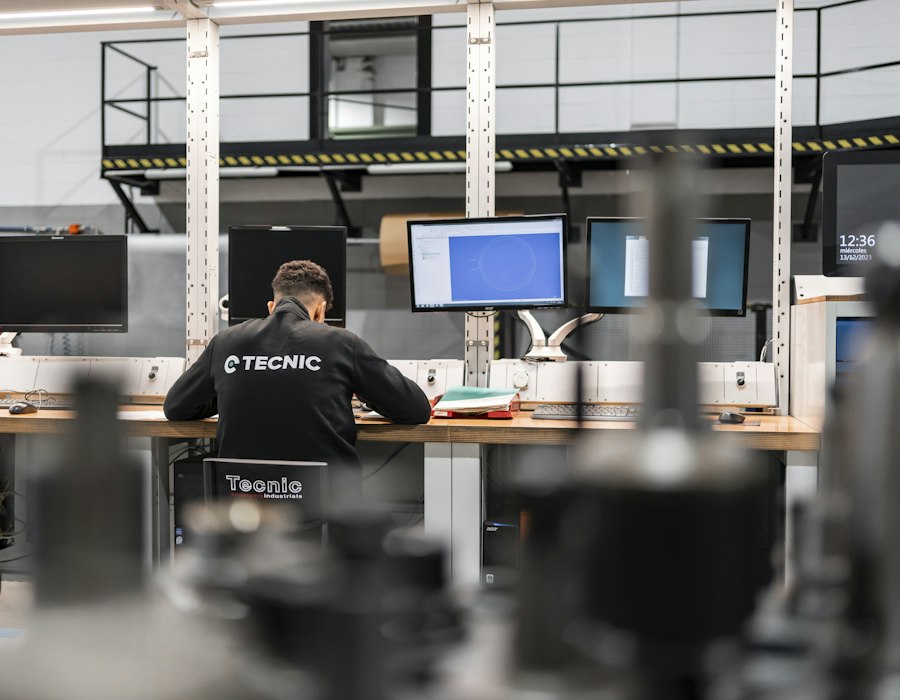
3D Live
Real-time factory floor visualisation
50+
What-if scenarios testable before physical change
<2 min
Historical playback access for any past incident
Multi-plant
Unified twin across all Indian factory sites
Why Digital Twin?
“Intellyx Digital Twin is a real-time virtual model of a factory floor, production lines, and individual machines, synchronised continuously with data from IoT sensors, PLCs, and SCADA systems. It provides a 3D visualisation of production status, material flow, and bottlenecks across one or multiple plants from a single dashboard. Manufacturers can run "what-if" simulations (testing layout changes, capacity expansions, or new product introductions) before making any physical change to the factory. The module integrates with Intellyx OEE, Vision QC, and Predictive Maintenance data to create enriched digital models, and supports historical playback for structured root cause analysis of past incidents.”
Most Indian factories make expensive physical changes (rearranging lines, adding machines, changing shift structures) based on intuition or spreadsheet projections. A single wrong capacity planning decision can cost a mid-size Indian manufacturer ₹40–80 lakhs in lost production, wasted capital expenditure, and delayed order fulfilment, with the damage compounding across quarters before anyone quantifies it. Intellyx Digital Twin gives you a live, sensor-driven 3D replica of your entire factory floor, synchronized in real time with your SCADA, PLC, and ERP systems. Every machine state, conveyor speed, temperature reading, and production counter is mirrored in the virtual environment, so the twin behaves exactly like your physical plant, down to the shift pattern and material flow. Run what-if simulations before committing capital: test a new machine placement, model a third-shift configuration, or simulate how your lines handle a sudden multi-product mix change when a high-priority export order lands alongside your domestic schedule. Compare scenarios side by side (projected OEE, throughput, energy consumption, and bottleneck points) without touching a single bolt on the floor. Historical playback lets you rewind the factory to any point in time, reconstruct exactly what happened during a quality excursion or breakdown event, and identify root cause in minutes instead of days. For plants facing regulatory audits (whether OEM supplier assessments, ISO recertifications, or government inspections), this timestamped, sensor-verified playback serves as auditable evidence of operating conditions, replacing manually compiled reports that auditors increasingly distrust. With multi-plant centralized monitoring, group-level manufacturing heads can view every factory in a single interface, compare plant-level KPIs, and propagate proven configurations from one site to another.
What Digital Twin Does
Core capabilities that make the module production-ready from day one.
Real-Time IoT Synchronisation
The digital twin updates continuously from PLCs, SCADA systems, and Intellyx edge sensors installed on the factory floor. Machine states, production counts, cycle times, and quality signals are reflected in the virtual model within seconds, giving you a live mirror of what is actually happening on the shop floor rather than a static layout diagram.
3D Production Line Visualisation
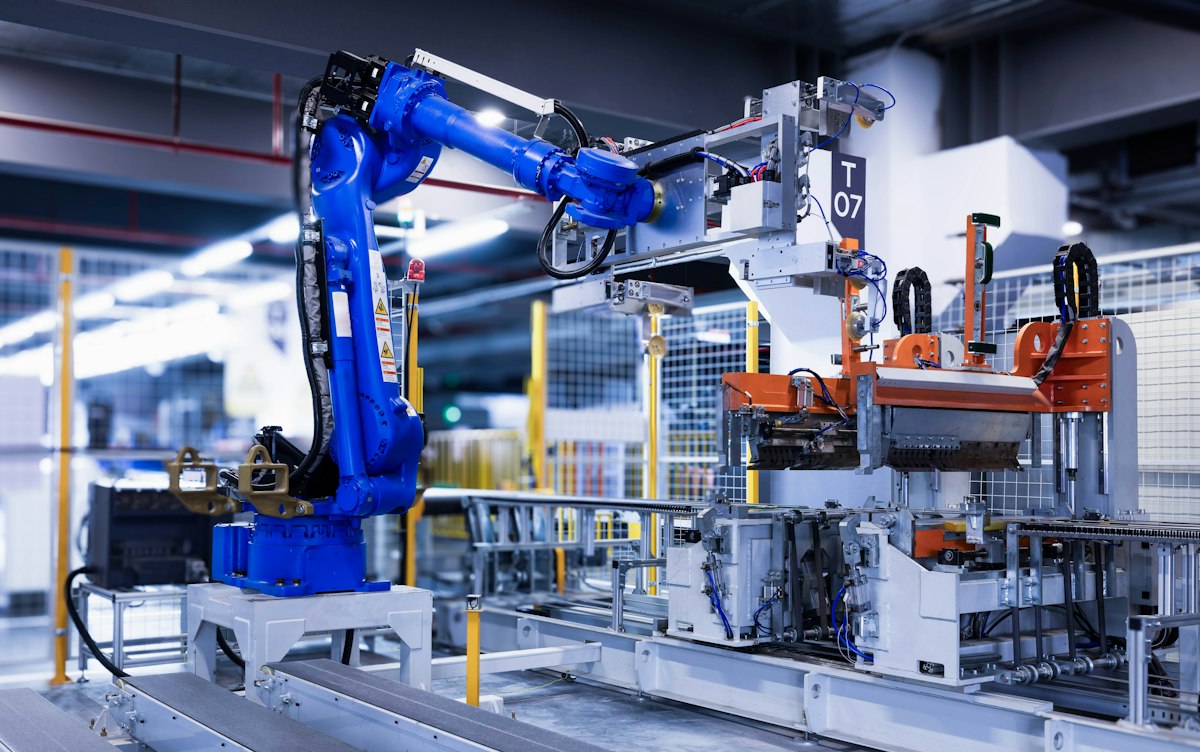
The factory floor is rendered as a navigable 3D model with colour-coded status overlays for each machine and station. Bottlenecks, idle machines, quality holds, and material flow blockages are surfaced visually so plant managers and production engineers can identify constraints without walking the floor.
What-If Scenario Simulation
Before making any physical change (relocating a machine, adding a shift, introducing a new product, or reconfiguring a line), engineers can model the scenario in the digital twin and simulate the impact on throughput, cycle time, and OEE. This eliminates costly trial-and-error on the actual production floor and shortens capacity planning cycles from weeks to hours.
Historical Playback for Root Cause Analysis
Every state of the digital twin is logged with full sensor data. When a quality incident, downtime event, or yield drop occurs, engineers can replay the factory's digital state leading up to the event, seeing exactly which machines, material batches, and process parameters were active. This structured replay replaces the guesswork of post-hoc incident investigation.
OEE, Vision QC, and Predictive Maintenance Integration
The digital twin is enriched by data from other Intellyx modules. OEE availability and performance signals overlay on each machine. Vision QC defect rates appear alongside their originating stations. Predictive Maintenance health scores and upcoming failure predictions are embedded in the machine models, giving a single integrated view of operational, quality, and maintenance state.
Multi-Plant Centralised Monitoring
For manufacturers operating multiple factories across India, whether in different states or industrial clusters, the multi-plant digital twin aggregates all sites into one centralised view. Each plant's twin runs independently on its own edge infrastructure, and the central dashboard synchronises KPIs, alerts, and simulation results across all locations regardless of network reliability at individual sites.
How Digital Twin Gets Deployed
A structured deployment process that minimises disruption and delivers results within the first 90 days.
Factory Mapping and Sensor Assessment
Perimattic engineers conduct an on-site survey of your factory floor, documenting machine layout, production flow, PLC and SCADA connectivity, and existing sensor coverage. A gap analysis identifies which data points are already available from existing systems and which require additional Intellyx IoT sensors to achieve full digital twin fidelity. This assessment typically takes 2–5 days depending on plant size.
3D Model Construction and Data Integration
The digital factory model is constructed using your floor plan and machine specifications. Integration connectors are configured for your PLCs, SCADA systems, and any existing ERP data feeds (SAP, Tally, ERPNext). Intellyx edge devices are installed at sensor coverage gaps identified in the assessment. The 3D model is validated against the physical layout before live data is connected.
Live Synchronisation Validation and Calibration
With data flowing from the shop floor, the digital twin runs alongside physical operations for 2–4 weeks to validate that sensor readings, machine states, and production counts match real-world observations. Calibration adjustments are made for sensor placement, PLC polling frequency, and data normalisation. Simulation parameters are tuned using historical production data to ensure what-if outputs are realistic.
Go Live with Simulation and Playback Access
The digital twin goes live as a production tool accessible from the Intellyx dashboard on any browser or mobile device. Plant managers, production engineers, and leadership get role-appropriate views. The simulation environment is ready for capacity planning and layout experiments. Historical data begins accumulating immediately for future root cause analysis playback sessions.
Digital Twin Across Industries
How manufacturers in different sectors put this module to work.
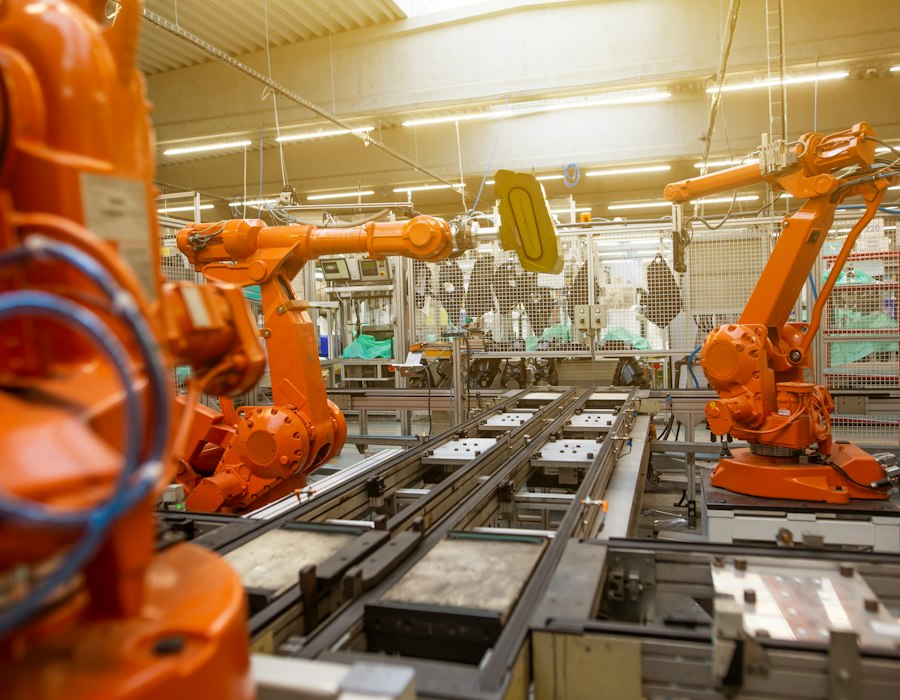
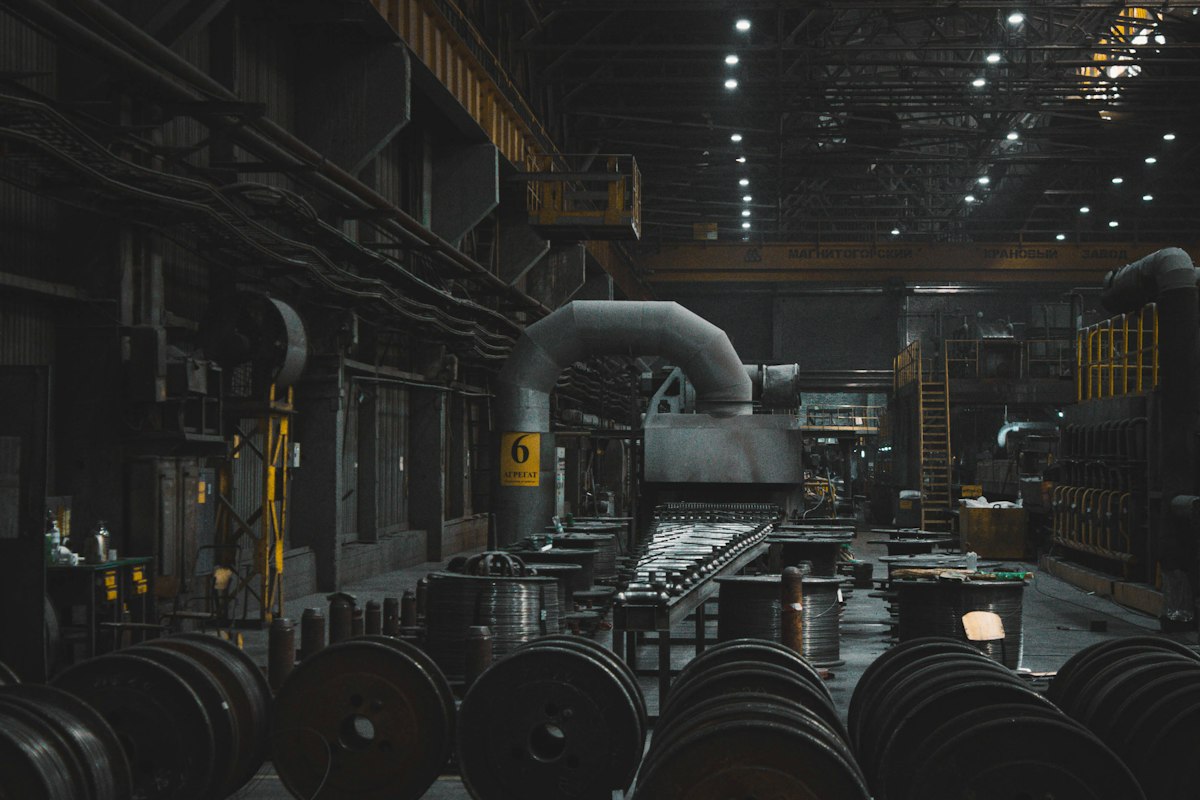
An FMCG manufacturer introducing a new SKU uses digital twin simulation to test packaging line configuration, material flow, and labelling station placement before committing to physical changes. The simulation identifies a bottleneck at the secondary packaging station six weeks before launch, allowing engineering time to resolve it without delaying production start.
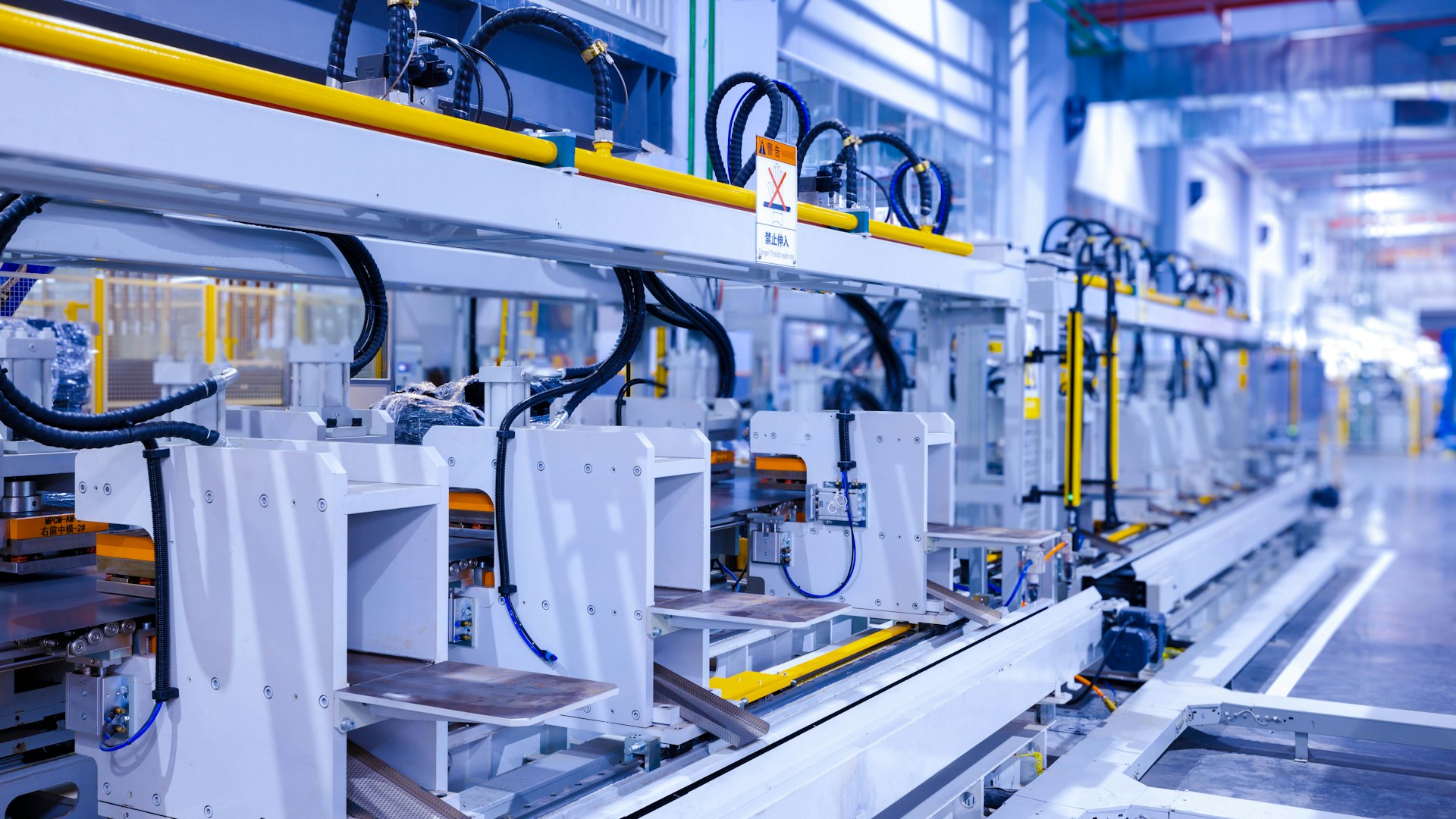
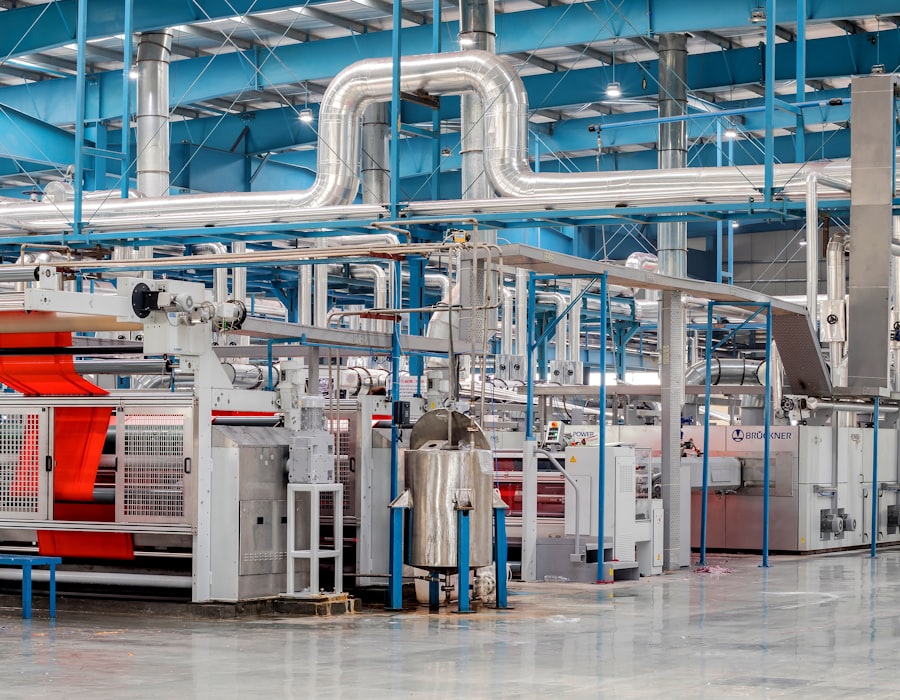
A heavy fabrication shop with long cycle-time jobs uses historical playback to investigate why a batch of weldments failed dimensional inspection. The playback reveals that a CNC plasma cutter was running above nominal feed rate during the affected batch, a setting drift that was undetected by the operator but visible in the sensor-logged digital twin state.
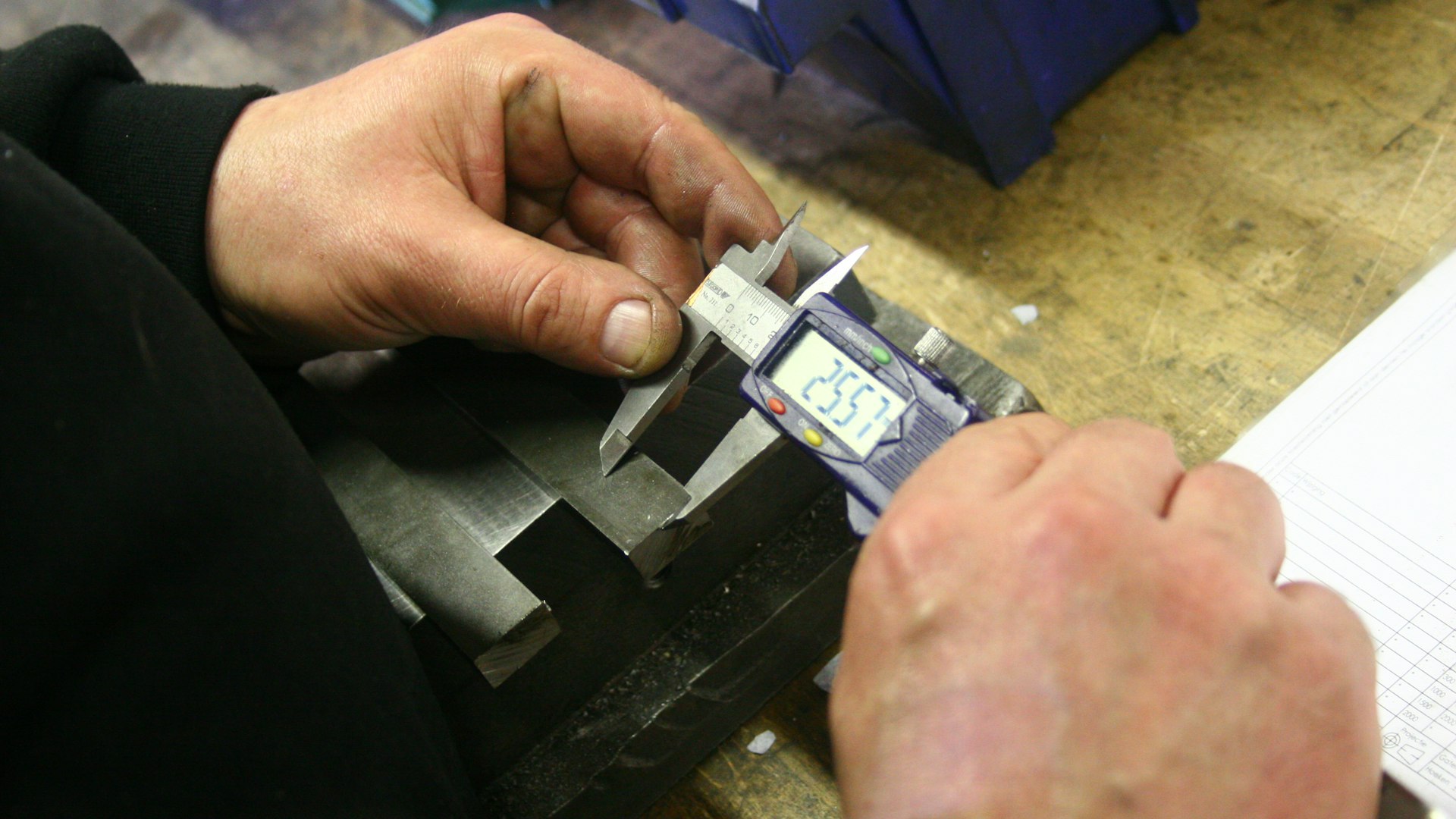
Simulate kiln thermal profiles, raw mill feed ratios, and clinker cooler airflow configurations before making physical adjustments to the pyroprocessing line. Indian cement plants running 3,000–10,000 TPD lines use the twin to test alternative fuel mix scenarios, predict refractory wear patterns, and replay kiln trip events for root cause analysis, reducing unplanned kiln stoppages by up to 40% and extending campaign life by weeks.
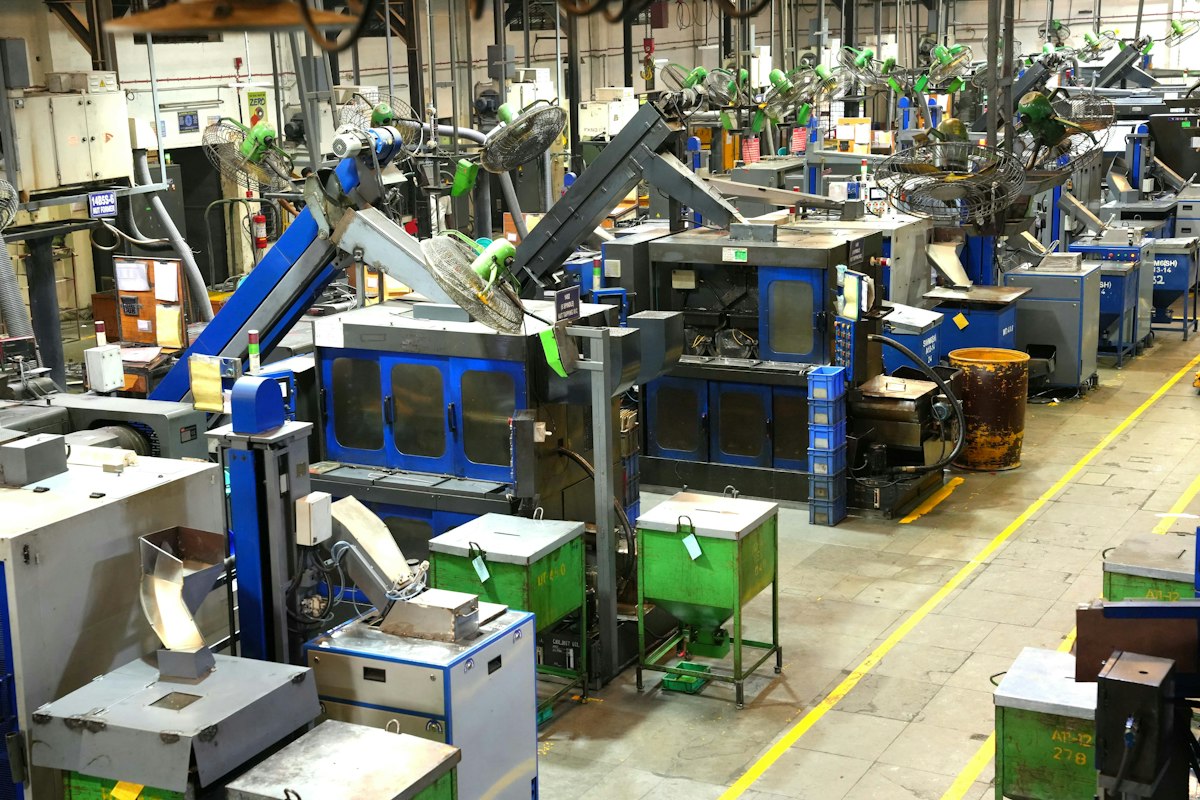
Model blast furnace burden distribution, induction furnace charge-mix economics, and rolling mill pass schedules in a virtual replica synchronized with live PLC and SCADA data. Indian steel plants and foundries use the twin to run what-if scenarios on grade changeovers, ladle turnaround timing, and furnace tapping sequences, cutting heat-to-heat cycle time by 8–12% and catching thermal drift before it causes off-spec heats.
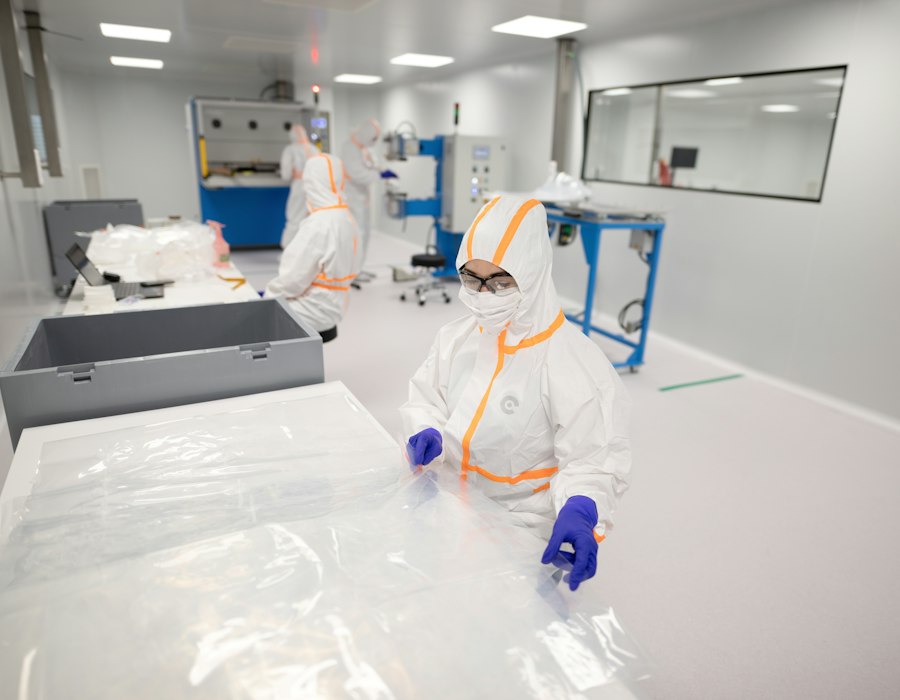
Create a sensor-synchronized 3D replica of boiler, turbine, and generator systems to simulate load dispatch scenarios, coal-blend combustion profiles, and condenser vacuum optimization. Indian thermal plants use the twin to replay trip sequences for CEA and CERC regulatory reporting, test planned outage schedules against monsoon demand forecasts, and model auxiliary power consumption reduction, improving net plant heat rate by 50–80 kcal/kWh.
Common Questions About Digital Twin
Does Digital Twin require replacing or modifying our existing PLC or SCADA systems?
No. Intellyx Digital Twin connects to your existing PLCs and SCADA systems as a read-only data consumer. It does not write to or modify any control system. Integration is done through standard industrial protocols (OPC-UA, Modbus, MQTT) or vendor-specific connectors for common Indian factory equipment. If your PLCs do not currently expose data via a network protocol, Intellyx edge sensors can be installed at key measurement points to fill the data gap without modifying the control system. The core principle is that Intellyx layers over what you already have rather than requiring infrastructure replacement.
How accurate are the what-if simulations compared to real production outcomes?
Simulation accuracy depends on the fidelity of the underlying data model, which improves over time as the digital twin accumulates historical production data from your specific factory. In the first few months, simulations are most reliable for capacity and throughput projections, where outputs are typically within 10–15% of actual outcomes. As the model trains on more real production cycles, accuracy improves to within 5–8% for most scenario types. Simulations that involve factors outside the sensor data, such as operator skill variation or supplier material inconsistencies, carry inherently wider uncertainty ranges, and Intellyx surfaces these uncertainty bounds alongside the simulation output rather than presenting a single point estimate.
How much sensor hardware is required, and what does it cost?
The amount of additional hardware depends on how much sensor data your existing PLCs and SCADA systems already expose. Factories with modern PLCs and OPC-UA connectivity may require very little new hardware: the digital twin is built primarily from software integration to existing data sources. Older factories with standalone machines and no network-connected PLCs require Intellyx IoT edge sensors at key measurement points such as machine cycle counters, conveyor speed sensors, and temperature probes. Hardware costs are itemised separately from the software subscription and are confirmed after the on-site assessment. Perimattic will not quote a hardware scope without first conducting the assessment, because overstating hardware requirements is a common practice in the Indian industrial IoT market that we deliberately avoid.
Can the digital twin be used for factory layout planning and greenfield projects?
Yes, but with an important distinction. For brownfield (existing factory) deployments, the digital twin is calibrated against real sensor data and reflects actual production conditions, making simulations accurate and grounded. For greenfield planning or layout studies on a factory not yet built, the digital twin can be used as a simulation-only tool where process parameters are entered manually rather than pulled from live sensors. This is useful for capacity planning and layout optimisation during the design phase. Once the factory is built and sensors are connected, the model transitions to a live-synchronised twin. Both modes are supported within the same Intellyx platform.
How long does historical playback data remain available?
Intellyx stores digital twin state snapshots for a rolling 12-month period on the on-premises edge server, giving you access to any historical production state within the past year for root cause analysis. Data older than 12 months is archived to compressed storage and remains accessible on request, though retrieval takes longer than real-time playback. For factories subject to regulatory or customer audit requirements that mandate longer data retention (such as ISO 9001 surveillance audits or OEM customer records), the retention period can be extended via additional on-premises storage. All data remains on your own hardware and is never transmitted to Perimattic's infrastructure without explicit export.
Does the digital twin work across multiple plants with different ERP systems?
Yes. The multi-plant digital twin is specifically designed for the common Indian manufacturing scenario where different plants within the same group run different ERP systems (for example, one site on SAP, another on Tally, and a third on ERPNext). Each plant's Intellyx deployment integrates with its own local ERP and sensor infrastructure independently. The central digital twin dashboard aggregates production KPIs, machine states, and alert data using a normalised data model that abstracts away the underlying ERP differences. Plant-level data does not need to be reconciled or migrated into a single ERP system before the multi-plant twin can go live.
More questions? Talk to the Perimattic team
Related Intellyx Modules
Modules that are often deployed alongside Digital Twin on the same Intellyx manufacturing intelligence platform.
Deploy Digital Twin In Your Factory
Perimattic starts with a scoping call to understand your specific challenges, then provides a practical deployment plan and ROI estimate before you commit.