
Energy & Sustainability Monitoring
Know exactly where your energy budget is going, machine by machine
Energy is typically the second or third largest operating cost in an Indian factory, but most manufacturers can only see their total monthly electricity bill, not which machines are consuming the most, which are wasting energy while idle, or what their true energy cost per unit of output is.
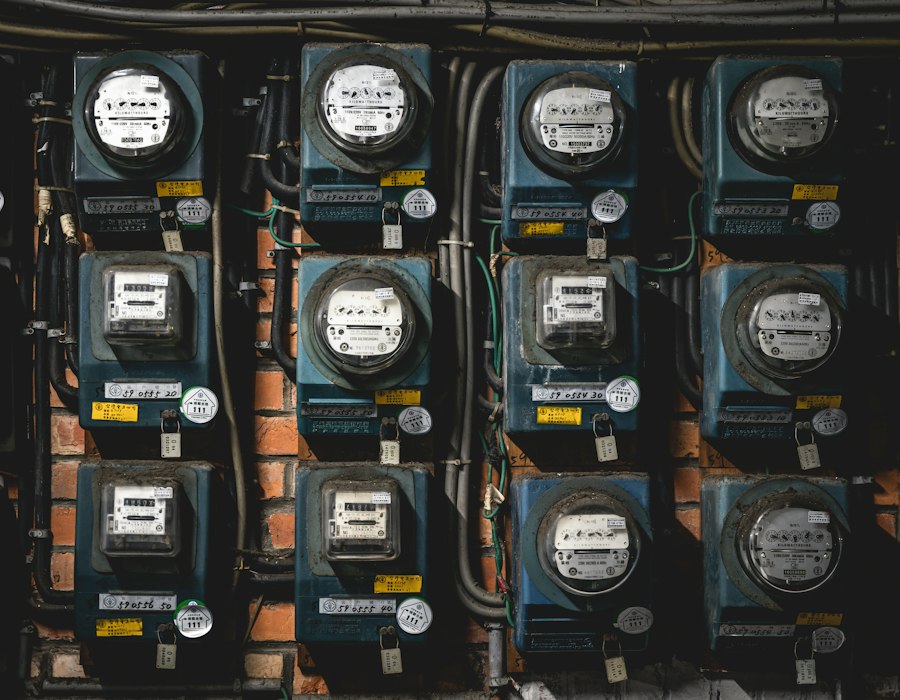
29%
Average energy cost reduction reported by customers
Per-machine
Energy consumption granularity
Real-time
Idle-state detection and alerting
Auto
Shift-level energy cost reports
Why Energy & Sustainability Monitoring?
“Intellyx Energy Monitoring is a factory energy management module that tracks electricity consumption at the individual machine and work centre level in real time. The system detects idle-state energy waste (machines consuming power while not producing) and maps energy costs directly to production output, enabling cost-per-unit calculations that are typically unavailable from aggregate energy bills. It integrates with smart energy meters and existing ERP systems without replacing them.”
Energy is typically the second or third largest operating cost in an Indian factory, but most manufacturers can only see their total monthly electricity bill, not which machines are consuming the most, which are wasting energy while idle, or what their true energy cost per unit of output is. Intellyx Energy Monitoring installs energy meters at the machine level and integrates them with your production data to give you a complete picture of energy efficiency. You can see which machines are energy outliers, identify compressor and HVAC idle waste, and track whether energy cost per unit of output is improving over time, from a single dashboard.
What Energy & Sustainability Monitoring Does
Core capabilities that make the module production-ready from day one.
Per-Machine Energy Consumption Tracking
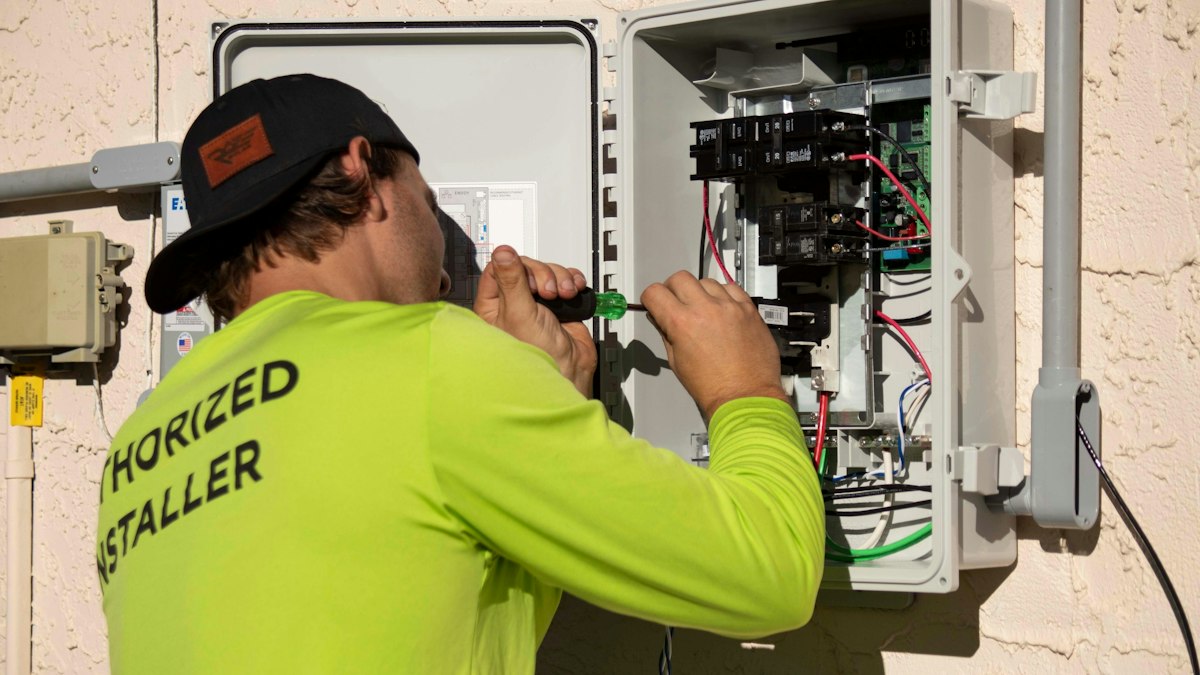
Smart energy meters are installed at each machine or work centre distribution board to capture real-time kWh consumption. This granularity, unavailable from aggregate sub-station meters, allows factory managers to identify exactly which machines are driving energy costs.
Idle-State Detection and Alerting
The system detects when machines are consuming significant power while not producing (running motors during breaks, compressors running at full load during off-shifts, or HVAC systems overcooling empty areas) and sends alerts to shift supervisors to take corrective action.
Energy Cost Mapping
Energy consumption is mapped to production output data from the OEE module to calculate the energy cost per unit produced for each machine and product line. This enables direct comparison of energy efficiency across machines, shifts, and product types.
Peak Demand Management
The system tracks real-time demand (kVA) and alerts supervisors before peak demand thresholds are crossed, helping factories avoid costly power factor penalties and demand charges on their electricity tariff. Scheduling high-load operations to avoid simultaneous peaks can deliver significant tariff savings.
Automated Energy Reports
Daily and weekly energy consumption reports are generated automatically and distributed to the plant manager and operations team. Reports include per-machine consumption, idle waste quantified in rupees, and comparison against the previous period.
Sustainability Metrics and Reporting
Carbon emissions estimates based on energy consumption and the Indian grid emission factor are calculated automatically, providing the data needed for sustainability reporting, ESG disclosures, and carbon footprint tracking as required by large OEM customers and export markets.
How Energy & Sustainability Monitoring Gets Deployed
A structured deployment process that minimises disruption and delivers results within the first 90 days.
Energy Meter Installation
Smart energy meters are installed at the machine-level distribution boards. For machines sharing a feeder, current transformers (CTs) are installed at the individual machine connection points. Meter installation is performed by licenced electricians and typically does not require machine shutdown.
Production Data Integration
Energy meter data is connected to the Intellyx platform and integrated with production count data from the OEE module or PLC connections. This integration enables energy cost per unit calculations and idle-state detection based on actual production status.
Baseline and Alert Configuration
Consumption baselines are established for each machine over 2–3 weeks. Alert thresholds for idle-state energy waste and demand peaks are configured based on the factory's energy tariff structure and operational priorities.
Dashboard and Report Activation
The energy monitoring dashboard goes live with per-machine consumption, idle waste detection, cost-per-unit calculations, and demand monitoring. Automated reports are configured for daily and weekly distribution to the management team.
Energy & Sustainability Monitoring Across Industries
How manufacturers in different sectors put this module to work.
Common Questions About Energy & Sustainability Monitoring
How granular is the energy data that Intellyx collects?
Intellyx collects energy data at the individual machine or work centre level using smart meters installed at machine-level distribution boards or via current transformer (CT) clamps at individual machine connection points. This granularity is far beyond what a factory typically gets from its utility bill or aggregate sub-station meters, which only show total site consumption. With machine-level data, it becomes possible to identify specific machines that are energy outliers, calculate the true energy cost of each product line, and detect idle-state waste that is invisible in aggregate consumption figures.
How much energy cost reduction can we realistically expect?
Intellyx customers have reported an average of 29% reduction in energy costs within 12 months of deployment. The largest savings typically come from three sources: eliminating idle-state waste (machines running at full power during breaks and non-production periods), addressing high-consumption outlier machines identified through machine-level monitoring, and avoiding peak demand charges by spreading load more evenly. The actual savings depend heavily on the factory's current energy management practices. Factories with no existing energy metering below the sub-station level typically see the largest improvements because there is more unmanaged waste to eliminate.
Can Intellyx Energy Monitoring help with ESG and sustainability reporting?
Yes. Intellyx calculates carbon dioxide equivalent (CO2e) emissions estimates from energy consumption data using the Central Electricity Authority's published Indian grid emission factor. This provides the Scope 2 (purchased electricity) emissions data required for GHG Protocol reporting, CDP disclosure, and increasingly common OEM customer sustainability questionnaires. The automated energy reports provide the audit trail needed to support ESG disclosures. For factories targeting ISO 50001 (Energy Management System) certification, Intellyx provides the metering infrastructure and data management capabilities that form the foundation of the standard.
Does Energy Monitoring require new meters if we already have sub-station metering?
Sub-station or feeder-level meters are not sufficient for machine-level energy monitoring. Intellyx installs additional smart meters at the machine distribution board level to provide the granularity needed for per-machine tracking. If the factory already has smart meters installed at certain points, Intellyx engineers will assess whether they can be integrated into the platform before recommending new hardware. The incremental cost of additional metering is typically recovered within 3–6 months through the energy savings identified by machine-level visibility.
More questions? Talk to the Perimattic team
Related Intellyx Modules
Modules that are often deployed alongside Energy & Sustainability Monitoring on the same Intellyx manufacturing intelligence platform.

Deploy Energy & Sustainability Monitoring In Your Factory
Perimattic starts with a scoping call to understand your specific challenges, then provides a practical deployment plan and ROI estimate before you commit.