
MES System
Full shop-floor control, deployed in 90 days, not 24 months
Most Indian factories have an ERP that handles purchase orders, invoicing, and inventory on paper, but between that system and the actual shop floor sits a gap filled with paper travellers, WhatsApp messages, and manual log books.
90 days
Deployment time (vs 12–24 months traditional MES)
100%
Paperless shop floor from day one
Real-time
Job status visibility across every work centre
₹2–5 Cr saved
vs traditional MES project cost
Why MES System?
“Intellyx MES is a Manufacturing Execution System designed for Indian factories that need full shop-floor visibility and control without a multi-year ERP replacement project. It layers over existing ERP systems (SAP, Tally, or ERPNext) to dispatch work orders to the floor, track job progress and operator activity in real time, enforce process routes, and maintain material genealogy for regulatory compliance. Unlike traditional MES implementations that take 12–24 months and cost ₹2–5 crore, Intellyx MES deploys in 90 days using edge computing hardware that runs on-premises without cloud dependency.”
Most Indian factories have an ERP that handles purchase orders, invoicing, and inventory on paper, but between that system and the actual shop floor sits a gap filled with paper travellers, WhatsApp messages, and manual log books. Work orders are printed from SAP or Tally, handed to supervisors, and then nobody knows real-time status until the shift ends and someone keys the numbers back in. During IATF 16949, ISO 13485, or GMP audits, this gap becomes a crisis: traceability records are scattered across registers, quality gate sign-offs exist on paper that cannot be cross-referenced, and proving genealogy from raw material to finished goods takes days of scrambling instead of seconds of querying. Every manual data entry point is a source of error: wrong quantities booked against BOMs, delayed rejection reporting, shift production numbers that don't reconcile with ERP stock until days later. Traditional MES platforms promise to close this gap, but at ₹2–5 crore in licensing and 12–24 months of implementation, they remain out of reach for the vast majority of Indian manufacturers. Intellyx MES deploys in 90 days with bidirectional ERP integration, runs on ruggedised edge hardware that keeps the shop floor operational during internet outages, and delivers the same process route enforcement, real-time tracking, and audit-ready genealogy that a full-scale MES provides, without ripping out anything that already works.
What MES System Does
Core capabilities that make the module production-ready from day one.
Work Order Dispatch from ERP
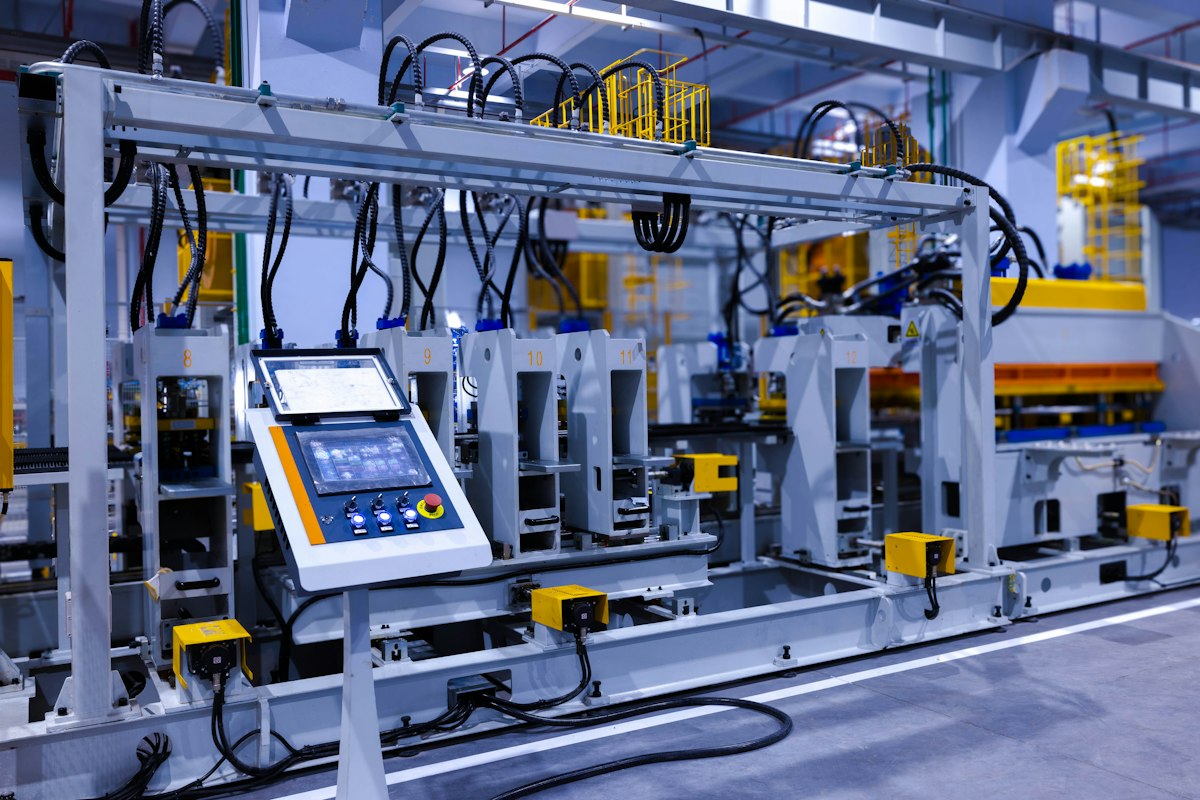
Production orders from SAP, Tally, or ERPNext are automatically pulled into Intellyx MES and dispatched to the relevant work centres on the shop floor. Supervisors see a prioritised job queue on their dashboard and can release jobs to operators with a single tap, eliminating the paper traveller that previously walked from planning to the floor.
Real-Time Job and Operator Tracking
Operators clock on and off jobs via shop-floor tablets or barcode scanners. The system captures actual start time, pause events, completion time, and quantity produced for every operation, giving production managers a live view of job progress across all work centres without needing to walk the floor or wait for shift reports.
Process Route Enforcement
Every job follows a predefined process route defined in the MES. Operators cannot mark an operation complete without completing all mandatory inputs (dimensions, visual checks, quantity confirmation) and the system prevents a job from moving to the next operation until the previous one is signed off. This enforces quality gates that paper travellers cannot reliably enforce.
Material Consumption Against BOM
Material issues to each work order are captured digitally via barcode or manual entry and reconciled against the Bill of Materials in real time. Over-consumption and under-consumption are flagged immediately, and actual material usage is written back to the ERP, eliminating the discrepancies between physical stock and ERP stock that plague most Indian factories.
Genealogy and Traceability
Every finished part or batch carries a complete digital genealogy: which raw material lots were used, which operators performed each operation, which machines were used, and all in-process quality check results. This traceability record satisfies IATF 16949, BIS, FSSAI, and pharmaceutical GMP audit requirements and can be retrieved in seconds rather than hours.
Bidirectional ERP Integration
Intellyx MES maintains a live two-way data flow with your ERP. Production orders and BOM data come in from ERP; actual production completions, material consumption, labour hours, and scrap data flow back. This keeps ERP accurate in near real time without manual data entry, eliminating the nightly or weekly reconciliation cycles that production and accounts teams currently perform.
How MES System Gets Deployed
A structured deployment process that minimises disruption and delivers results within the first 90 days.
ERP Integration and Route Configuration
Perimattic engineers connect Intellyx MES to your ERP (SAP, Tally, or ERPNext) via API or scheduled data sync to pull production orders, BOMs, routings, and item masters. Process routes are configured in the MES for each product family, typically taking 2–3 weeks for a medium-complexity product portfolio. This phase also covers work centre hierarchy setup and operator master data.
Shop Floor Hardware Installation
Edge computing units and shop-floor tablets or touchscreen kiosks are installed at each work centre. Barcode or QR scanners are deployed at material issue points and finished goods inspection. The hardware runs entirely on-premises on a local network, so shop-floor operations are not affected by internet outages. Installation takes 3–5 days for a typical factory floor.
Pilot Line Go-Live and Operator Training
The MES goes live on one production line or product family first. Operators and supervisors on the pilot line are trained on the tablet interface, job clocking process, and quality check inputs. Most operators are proficient within one shift. The interface is designed for users who may not be comfortable with complex software. The pilot runs for 2–4 weeks to refine configurations before full rollout.
Full Factory Rollout and ERP Write-Back Activation
Remaining lines and work centres are brought onto the MES in batches. Once all lines are live, the bidirectional ERP write-back is activated: actual production completions, labour hours, and material consumption begin updating the ERP automatically. Paper travellers are retired. The factory is fully paperless on the shop floor within the 90-day deployment window.
MES System Across Industries
How manufacturers in different sectors put this module to work.
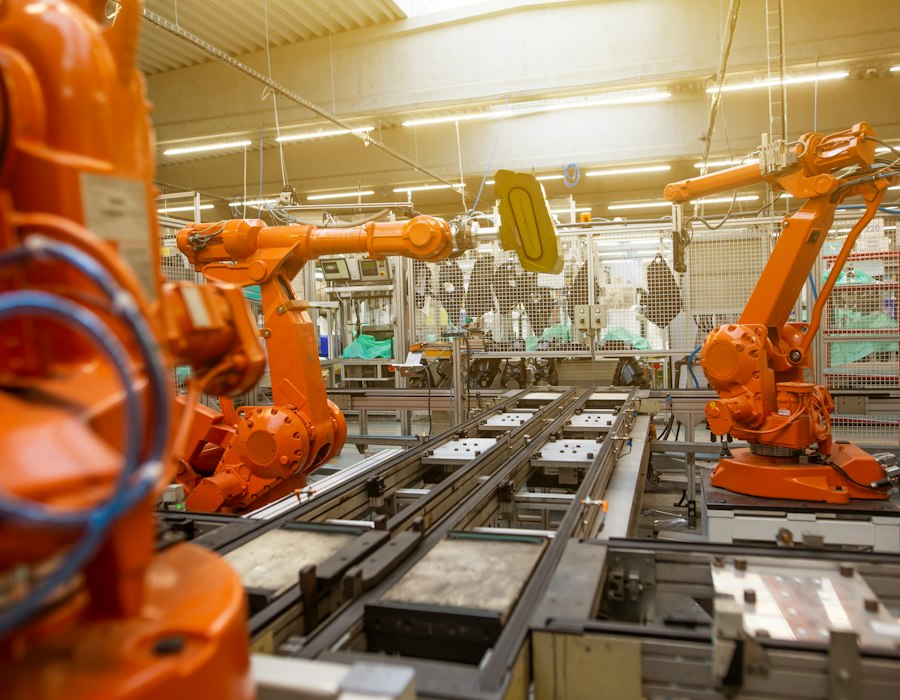
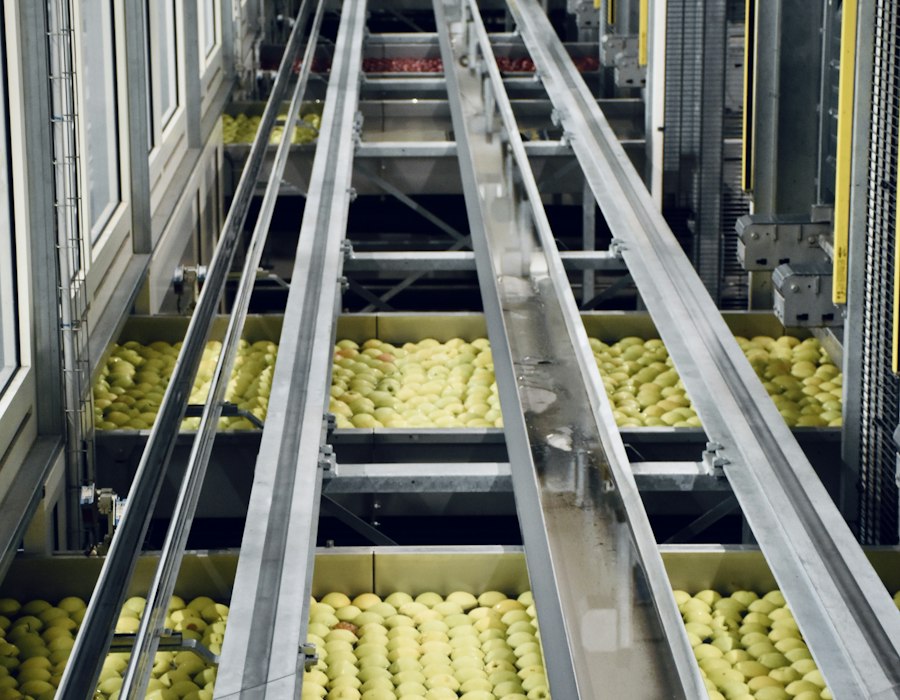
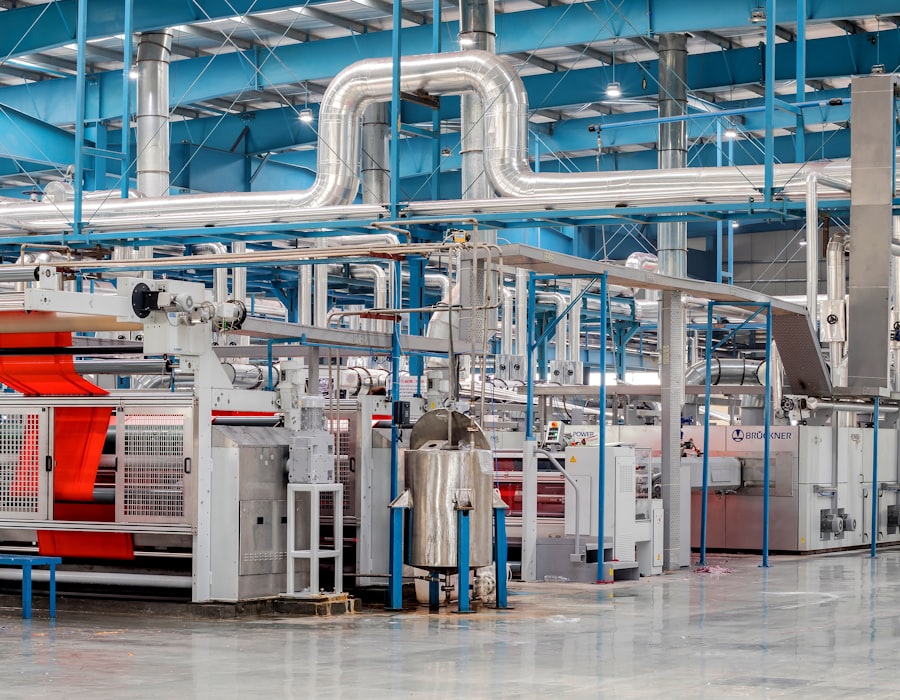
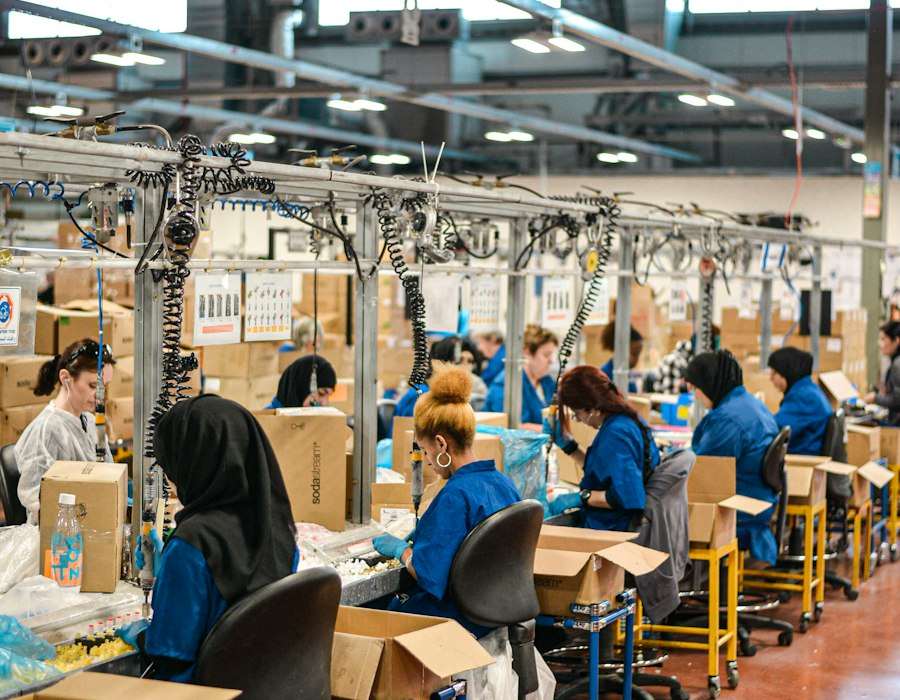
Job shops and custom fabricators use Intellyx MES to track multi-operation jobs (cutting, bending, welding, painting, and assembly) across shared work centres. Real-time job status lets production planners see which jobs are falling behind and reassign capacity before delivery dates are missed.
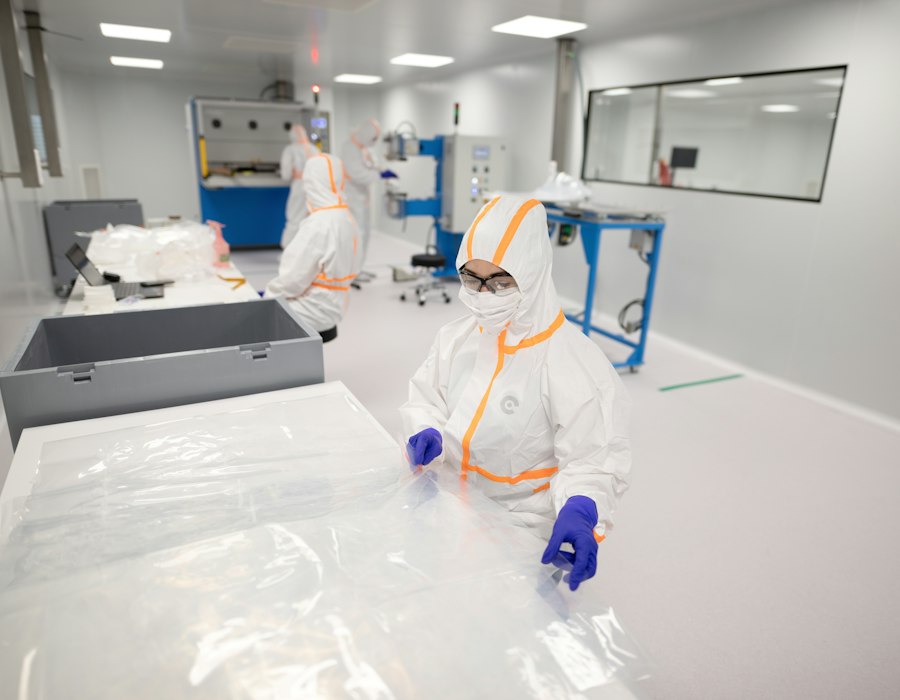
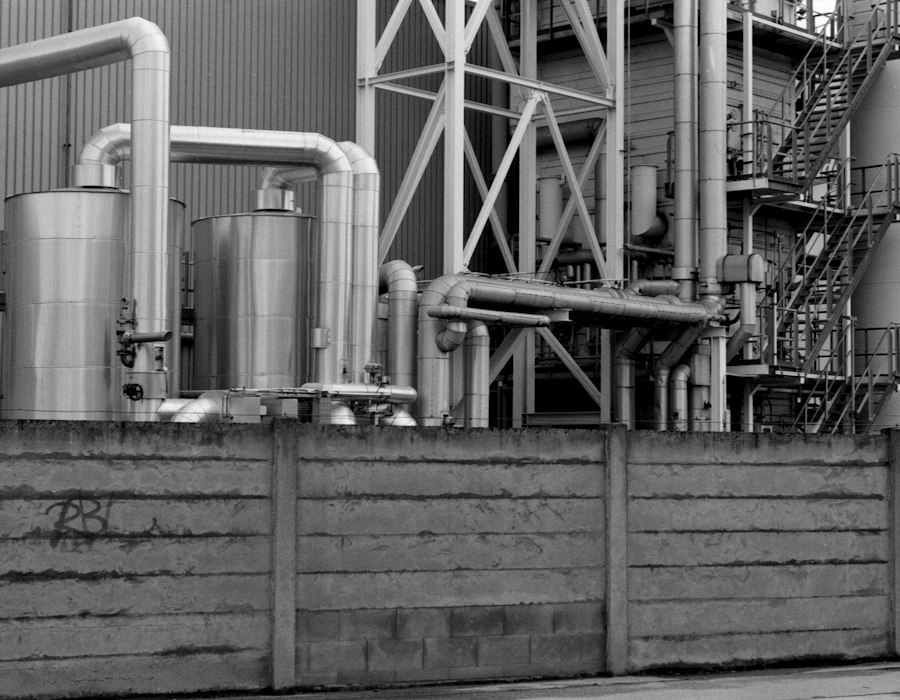
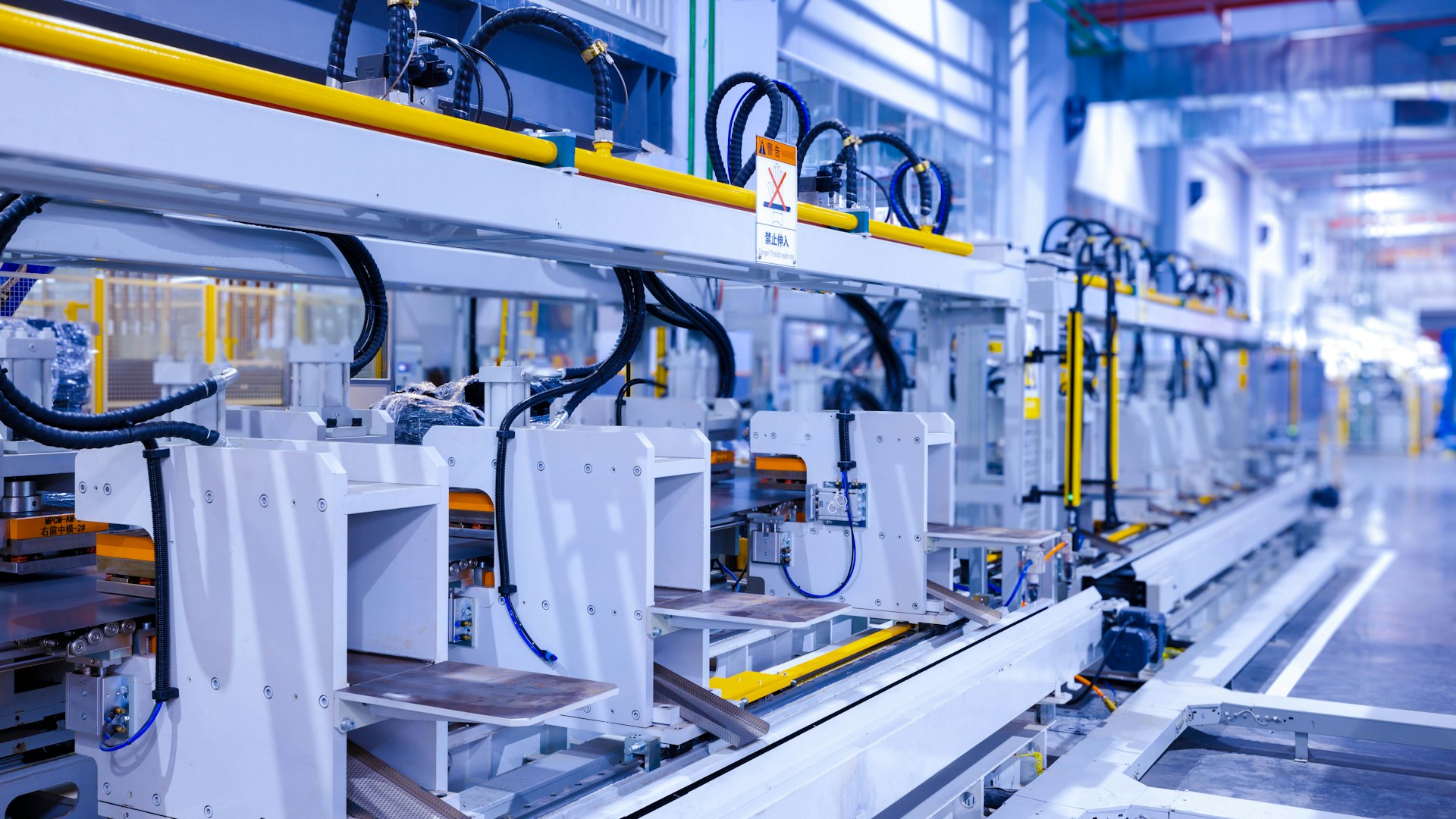
Enforce AS9100-compliant process routes across CNC machining, heat treatment, NDT inspection, and final assembly with mandatory quality gate sign-offs at every operation. No stage can be skipped or resequenced without engineering authorisation. Track serialised material consumption against each work order BOM with full genealogy linking raw material mill test certificates to finished part inspection records, meeting the traceability requirements of DGQA, HAL, and DRDO vendor qualification audits.
Common Questions About MES System
What is a Manufacturing Execution System (MES) and does my factory need one?
A Manufacturing Execution System (MES) is the software layer that manages and tracks production execution on the shop floor, bridging the gap between production planning in ERP and the actual work happening on machines. If your factory relies on paper travellers, WhatsApp messages, or verbal communication to track job progress, and if your ERP production data is frequently out of sync with reality, you need an MES. Signs that an MES will deliver clear value include: jobs that are difficult to locate on the floor, material consumption that does not match BOM, quality issues that cannot be traced to the operation where they originated, and supervisors spending significant time manually collecting production data for shift reports. For Indian manufacturers targeting automotive OEM or pharmaceutical customers, an MES is often a regulatory or customer audit requirement.
How is Intellyx MES different from the MES module in our existing ERP?
ERP MES modules are designed for data entry after the fact: a supervisor enters production completions at the end of a shift, and the ERP is updated. Intellyx MES is designed for real-time shop-floor execution: operators interact with it at the moment of production, capturing data as work happens rather than recalling it hours later. Intellyx also runs on dedicated shop-floor hardware (tablets and kiosks) optimised for industrial environments, whereas ERP terminals are typically office-grade. Additionally, Intellyx MES integrates IoT sensor data, machine connectivity, and quality gate enforcement that ERP production modules do not support. The two systems are complementary: ERP handles planning and finance, Intellyx MES handles shop-floor execution and feeds accurate actuals back to ERP.
We already have SAP, Tally, or ERPNext. Does Intellyx MES replace it?
No. Intellyx MES is explicitly designed to layer over your existing ERP without replacing it. Your ERP remains the system of record for production orders, BOMs, routing definitions, inventory, and financials. Intellyx MES receives production orders from ERP, manages execution on the floor, and writes actual production data back to ERP, so ERP is always up to date without manual reconciliation. This approach avoids the cost and risk of an ERP replacement project, which is often the single largest obstacle preventing Indian manufacturers from adopting shop-floor digitalisation. You protect your existing ERP investment while adding real-time shop-floor visibility that ERP alone cannot provide.
How long does it take to deploy Intellyx MES, and what does it cost?
Intellyx MES deploys in 90 days from project kick-off to full factory go-live, compared to the 12–24 month implementation timeline typical of traditional MES products from vendors like Siemens Opcenter, Rockwell FactoryTalk, or SAP ME. Traditional MES projects at Indian mid-market manufacturers typically cost ₹2–5 crore including software licences, implementation services, and hardware; Intellyx is significantly more affordable because it is built for rapid deployment on standard hardware rather than requiring custom integration projects. Intellyx uses a one-time hardware and setup fee plus an annual software subscription model. Contact the Perimattic team at sales@perimattic.com for a factory-specific quote based on your number of work centres, production lines, and ERP environment.
What happens to shop-floor operations if the internet goes down?
Intellyx MES runs entirely on edge computing hardware installed on your premises, so shop-floor operations continue normally even when your internet connection is unavailable. Operators can clock on to jobs, process routes are enforced, quality checks are captured, and material consumption is recorded, all locally on the edge server. Data synchronisation with cloud dashboards and ERP write-back queues up and completes automatically when connectivity is restored. This design is deliberate: Indian factory internet reliability varies significantly, and a shop-floor system that fails when connectivity drops would be unusable in many production environments.
Can Intellyx MES handle multiple product variants and complex BOMs?
Yes. Intellyx MES supports multi-level BOMs, configurable product variants, and alternative routing definitions. For make-to-order manufacturers with high product variety (common in engineering, defence, and capital equipment sectors), each work order can carry its own BOM and routing that differs from the standard. The system is also designed to handle co-products and by-products, rework routing, and subcontract operations where work is sent outside the factory and returned. Complex BOM and routing configurations are set up during the initial ERP integration phase, and the Perimattic implementation team works with your production planning and engineering teams to capture your routing logic accurately before go-live.
More questions? Talk to the Perimattic team
Related Intellyx Modules
Modules that are often deployed alongside MES System on the same Intellyx manufacturing intelligence platform.
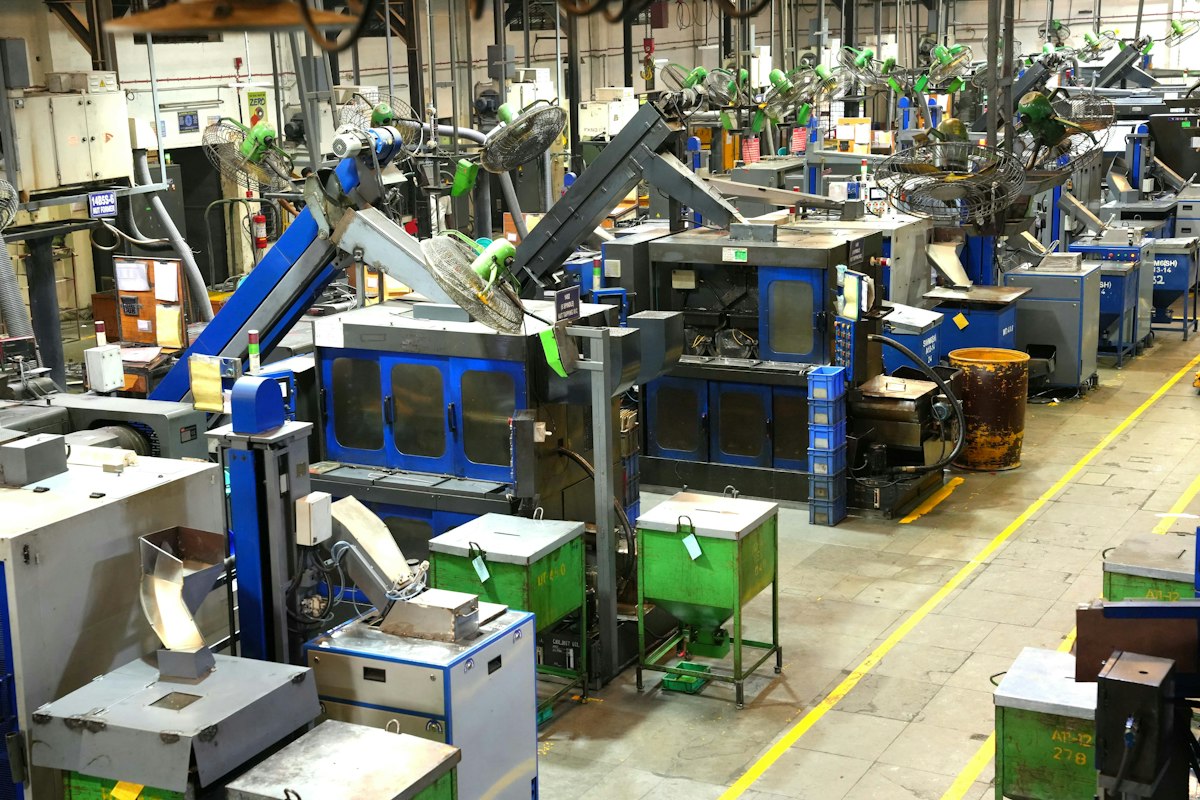
See how an Intellyx deployment works or compare Intellyx vs Traditional MES.
Deploy MES System In Your Factory
Perimattic starts with a scoping call to understand your specific challenges, then provides a practical deployment plan and ROI estimate before you commit.