
AI Solutions for Airlines, Hotels, OTAs and Airports
Dynamic pricing, personalised offers, booking assistants and disruption management, trained on your own booking and search data and connected to your PSS, PMS or booking engine. More revenue per traveller, fewer calls when things go wrong.
- Demand forecasting and dynamic pricing
- Personalised offers, ancillaries and upsells
- Booking and servicing assistants
- Disruption prediction and re-accommodation
- Booking and payment fraud detection
Proof of concept in 2–4 weeks. Production release in 6–14 weeks.
What is AI in travel and hospitality?
AI in travel and hospitality is the use of machine learning and generative AI to price, sell and service trips: forecasting demand, setting fares and room rates, personalising offers, answering traveller questions and managing disruption. Revenue management and customer service automation deliver the clearest returns because both run on large volumes of booking and contact data.
Travel businesses sit on rich search, booking and loyalty data, but most of it only feeds reports. Models built on that data can set better prices, recommend the right ancillary at the right moment and rebook travellers before they reach the call centre. The difference between a pilot and a payback is integration with the PSS, PMS and booking engine.
Last reviewed by the Perimattic AI engineering team.

How is AI used in travel and hospitality?
Six use cases account for most of the value across airlines, hotels, OTAs and airports. Each one runs on data travel companies already collect at scale.
Dynamic pricing and revenue management
Demand forecasts and price-response models that recommend fares, room rates and parking or lounge prices by date, channel and segment, within the guardrails your revenue team sets.
Data it needs: Booking curves, search demand, inventory and competitor rates
Personalised offers and upsells
Recommendation models that choose which seats, bags, upgrades, rooms or experiences to show each traveller, based on trip context and past behaviour.
Data it needs: Search, booking and ancillary purchase history
Booking and servicing assistants
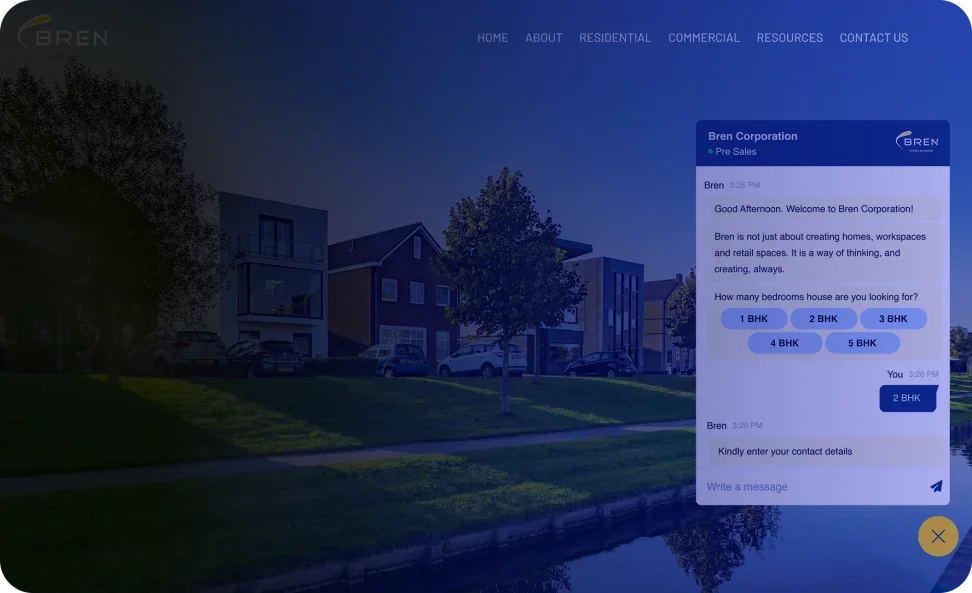
Conversational AI that answers questions, changes bookings and processes simple requests across web, app and messaging, handing off to agents with full context.
Data it needs: Contact transcripts, policies and booking API access
Disruption management
Models that predict delays and missed connections early, and assistants that offer travellers rebooking options before queues form.
Data it needs: Operational history, schedules and passenger connections
Booking and payment fraud
Scoring for card-not-present fraud, loyalty account takeover and fake bookings, tuned to avoid declining genuine last-minute travellers.
Data it needs: Bookings, payments and confirmed fraud cases
Demand and operations forecasting
Forecasts for passenger flows, check-in queues, housekeeping, parking occupancy and staffing, so operations match demand hour by hour.
Data it needs: Historical volumes, schedules and booking pace
Which travel AI use case should you start with?
Servicing assistants and demand forecasting usually pay back first: contact volumes and booking history are already there and savings are easy to measure. Dynamic pricing delivers the most revenue but needs revenue-team trust and clear pricing guardrails.
| Use case | Data it needs | Time to first result | Watch out for |
|---|---|---|---|
| Servicing assistant | Transcripts + policies + APIs | 4–8 weeks | Booking-change rules; refund policy accuracy |
| Demand forecasting | Booking pace + volumes | 4–8 weeks | Pandemic-era anomalies in the history |
| Personalised offers | Search + booking + ancillaries | 6–10 weeks | Cold-start travellers; consent for personalisation |
| Booking fraud | Bookings + payments + fraud labels | 4–8 weeks | False declines on genuine last-minute trips |
| Dynamic pricing | Booking curves + inventory + rates | 8–14 weeks | Price transparency rules; revenue-team override |
Built for pricing transparency, passenger rights and payments rules
Travel AI touches prices, payments and passenger rights, all of which are regulated. These are the rules we design around from the first workshop.
EU consumer pricing rules
The Omnibus Directive requires telling customers when a price is personalised by automated decision-making; we build that disclosure in.
UK DMCC Act and US DOT rules
Total-price and fee transparency respected in every price or offer the model generates.
EU261 and UK261
Disruption assistants present compensation and care entitlements accurately, not just rebooking options.
PCI DSS
Card data tokenised in booking, fraud and servicing flows, with assistants kept out of PCI scope.
GDPR and UK GDPR
Consent and profiling controls for personalisation, plus data minimisation in traveller profiles.
Accessibility (EAA, ADA)
Assistants and booking flows built to WCAG 2.2 AA so all travellers can use them.
Typical systems in scope
We design and document systems to meet these requirements. Certification and regulatory sign-off stay with your organisation; we supply the evidence your reviewers ask for.
From scoping call to production in five stages
Every engagement follows the same staged process, priced before the work starts and measured against a baseline agreed up front.
- 11–2 weeks
Scoping and data assessment
Use case defined, data readiness scored, compliance constraints listed, and a fixed quote agreed.
- 21 week
Baseline and evaluation design
Today's accuracy, cycle time or loss rate measured, and success thresholds agreed in writing.
- 32–8 weeks
Model development
Data preparation, training and iteration against a held-out test set, with weekly demos on real data.
- 42–4 weeks
Integration
Inference wired into the systems your teams already use, with auth, audit logging and fallback paths.
- 5Ongoing
Production and monitoring
Deployment, drift and accuracy monitoring, alerting, retraining and runbooks for your operations team.
For travel businesses, the baseline stage measures today's revenue per available seat or room, conversion and contact rate, so pricing and assistant results are compared against your own numbers, not industry averages.
What makes Perimattic a fit for travel AI
We have built and run travel booking systems since 2018. Here is that work and a conversational AI system in production, plus the principles every travel engagement follows.
Travel systems experience
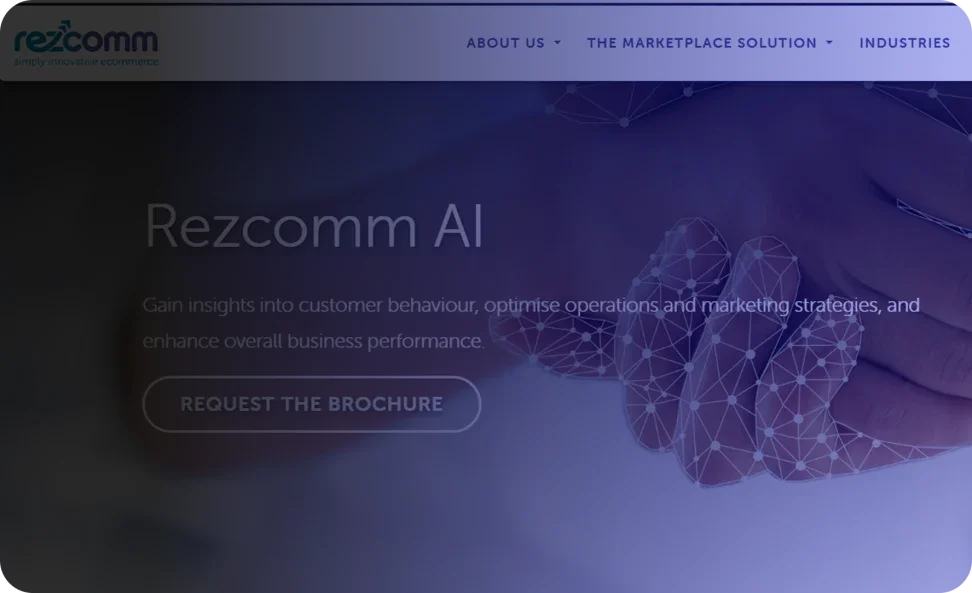
Our longest continuously running client system is Rezcomm's airport commerce platform, live since 2018. We know booking flows, inventory and peak-season load.
Revenue teams stay in control
Pricing models work inside floors, ceilings and business rules your revenue managers set, and every recommendation can be overridden.
Integrated with your booking stack
Models and assistants connect to PSS, PMS, booking engines and CRM through APIs, so they can actually change a booking rather than just talk about it.
You own the system
Models, code and data pipelines are yours, with no per-booking platform fees.
Services behind these travel systems
AI in travel and hospitality: frequently asked questions
How is AI used in the travel industry?
Travel companies use AI for demand forecasting and dynamic pricing, personalised offers and upsells, booking and servicing assistants, disruption prediction and rebooking, fraud detection, and operations forecasting. Revenue management and customer service automation show the clearest returns.
How does AI dynamic pricing work for airlines and hotels?
A demand model forecasts bookings for each flight, night or product by channel and segment, and a price-response model estimates how demand changes with price. The system recommends prices that maximise revenue within floors, ceilings and rules set by the revenue team, and updates them as bookings come in.
Is personalised pricing legal?
Dynamic pricing based on market demand is widely used and legal. Pricing personalised to an individual is more restricted: in the EU, businesses must tell customers when a price has been personalised by automated decision-making, and regulators are watching closely. Most travel businesses we work with personalise offers rather than base fares.
Can AI handle customer service for airlines, hotels and OTAs?
Yes, for a large share of contacts. Assistants connected to your booking APIs can answer policy questions, change dates, add extras and process simple refunds, then hand complex cases to an agent with the full conversation. Guardrails keep answers grounded in your actual policies.
How does AI help manage travel disruption?
Models predict delays and missed connections hours ahead using schedules, weather and operational history. Affected travellers are offered rebooking options automatically, with correct EU261 or UK261 entitlements, before they join a queue or call the contact centre.
Will AI integrate with Amadeus, Sabre or our PMS?
Yes. We integrate with GDS and PSS platforms such as Amadeus, Sabre and Travelport, NDC APIs, property management systems such as Oracle OPERA and Mews, channel managers and booking engines.
How long does a travel AI project take and what does it cost?
A proof of concept for one use case typically takes 2–4 weeks and starts from $3,500. A production system with booking-platform integration and monitoring takes 6–14 weeks and typically costs $10,000–$30,000. Network-wide pricing systems are quoted after scoping.