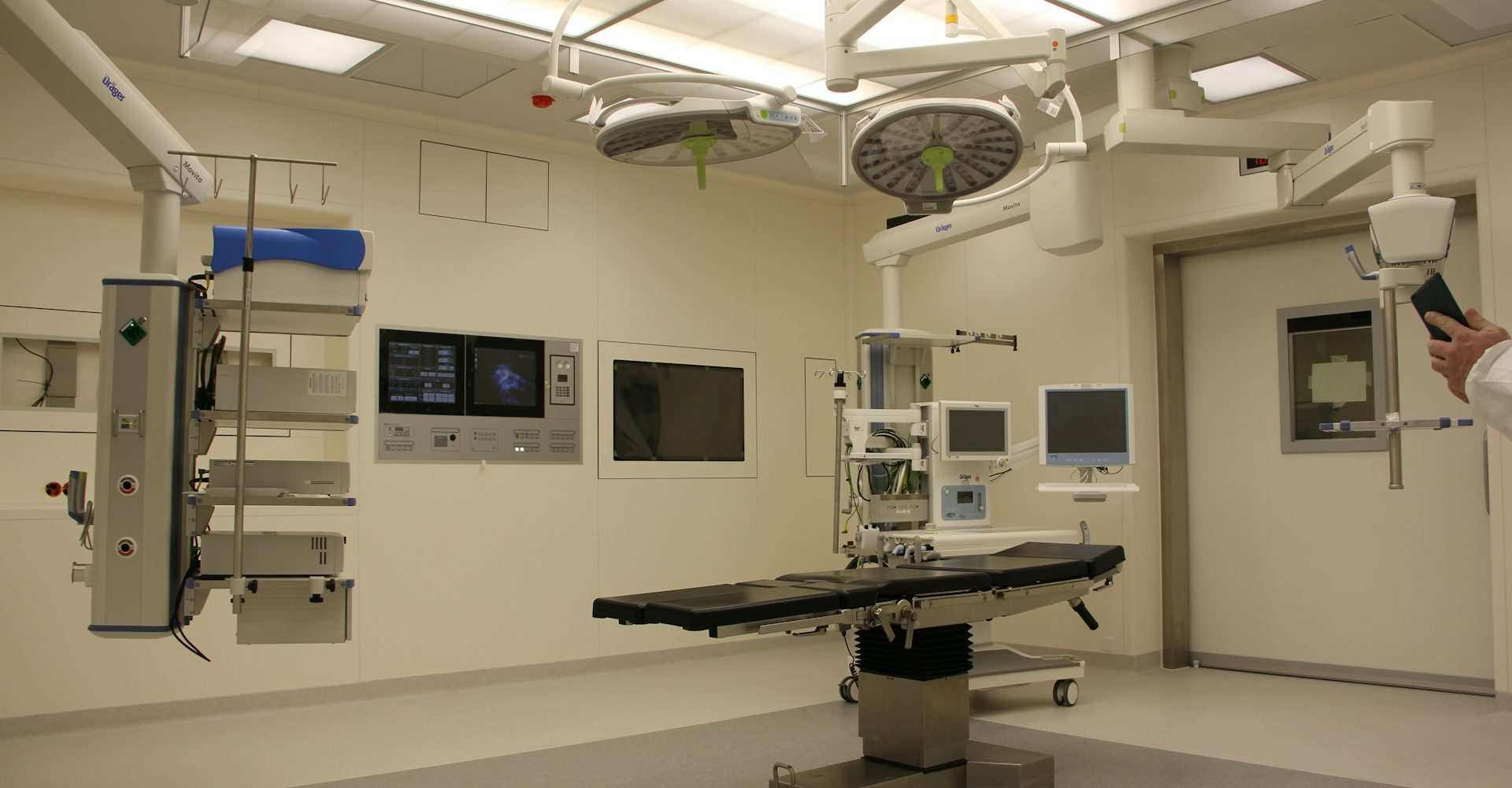

AI Solutions for Hospitals, Health Systems and Health Tech
Clinical documentation, imaging decision support, revenue cycle automation and patient triage, built HIPAA-aligned and integrated with your EHR. Clinicians stay in charge of every clinical decision; the AI removes the paperwork around it.
- Ambient and assisted clinical documentation
- Imaging triage and decision support
- Coding, prior authorisation and denial prediction
- Patient triage and scheduling assistants
- Referral, lab and record extraction
Proof of concept in 2–4 weeks. Production release in 6–14 weeks.
What is AI in healthcare?
AI in healthcare is the use of machine learning, computer vision and language models to support clinical and operational work: drafting notes, flagging findings on medical images, coding claims, predicting denials and triaging patient requests. The fastest, lowest-risk returns come from administrative and documentation work; clinical decision support needs stricter validation and regulatory review.
Clinicians spend a large part of every shift on documentation and admin rather than patients. Well-scoped AI gives that time back, but only when it is validated on your own patient population, integrated into the EHR where clinicians already work, and designed so protected health information never leaves controlled infrastructure.
Last reviewed by the Perimattic AI engineering team.
How is AI used in healthcare?
Six use cases cover most of the value we see. The first four reduce administrative load; the last two support clinical teams and always keep a clinician in the loop.
Clinical documentation
Language models draft visit notes, discharge summaries and referral letters from encounter transcripts or structured data, for clinicians to review and sign rather than type.
Data it needs: Sample notes, templates and de-identified encounter transcripts
Revenue cycle automation
Coding suggestions, claim scrubbing, prior authorisation packets and denial prediction, so claims go out clean and denials are worked before they age.
Data it needs: Claims, remittances (835/837) and denial reasons
Record and referral extraction
Extraction from faxed referrals, lab reports and outside records into structured EHR fields, with confidence scores and human review for uncertain values.
Data it needs: Representative documents for each source
Patient access and scheduling
Assistants that answer patient questions, book and reschedule appointments, and predict no-shows so schedulers can overbook or remind intelligently.
Data it needs: Scheduling history, FAQs and visit-type rules
Imaging decision support
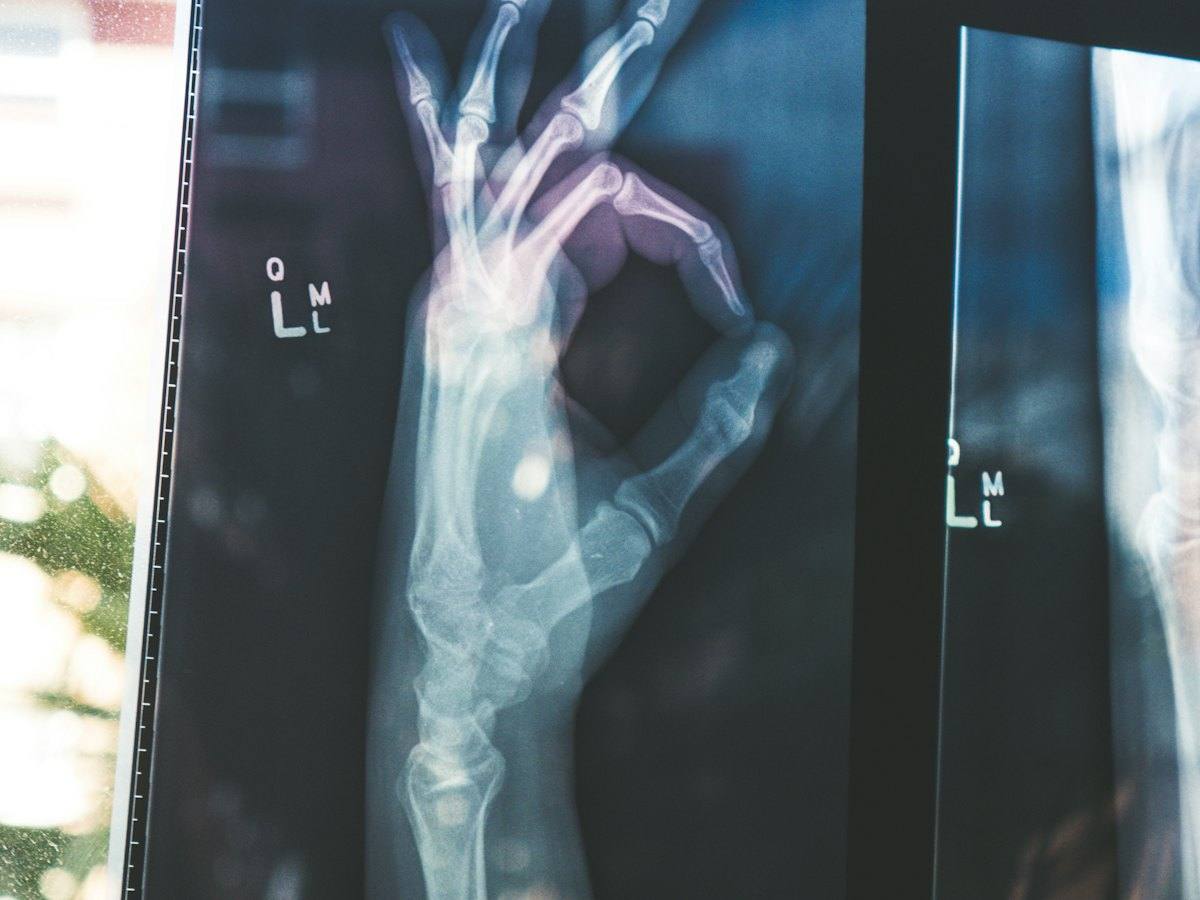
Computer vision that prioritises worklists and highlights likely findings on X-ray, CT or pathology images for radiologist review, validated on your own scanner data.
Data it needs: Labelled studies from your PACS, with radiologist reads
Clinical risk and triage
Models that flag deterioration, readmission or sepsis risk and triage inbound patient messages by urgency, surfaced in the clinician's existing workflow.
Data it needs: Historical encounters with outcomes, vitals and labs
Which healthcare AI use case should you start with?
Start with administrative work: document extraction, documentation drafting and revenue cycle tasks need no regulatory clearance and show savings quickly. Clinical decision support comes next, with formal validation and a clear position on FDA or MHRA requirements.
| Use case | Data it needs | Time to first result | Watch out for |
|---|---|---|---|
| Referral and record extraction | Sample documents per source | 2–4 weeks | Fax quality; mapping to EHR fields |
| Denial prediction | Claims + remittances + denials | 4–8 weeks | Payer rule changes; feedback loop to billing |
| Clinical documentation | Notes, templates, transcripts | 4–8 weeks | Clinician sign-off; hallucinated findings |
| Patient scheduling assistant | Schedules + FAQs + rules | 4–6 weeks | Identity verification; escalation of clinical questions |
| Imaging decision support | Labelled studies + reads | 10–16 weeks | Scanner variation; SaMD regulatory pathway |
Built for HIPAA, clinical safety and medical device rules
Healthcare AI touches protected health information and, sometimes, clinical decisions. These are the requirements we design around before any patient data is used.
HIPAA Privacy and Security Rules
BAAs, PHI minimisation, encryption, access control and audit logs for every request that touches patient data.
FDA SaMD and CDS guidance
We assess whether a clinical feature is device software or non-device CDS before it is built, and design accordingly.
ONC HTI-1
Transparency attributes for predictive decision support delivered through certified health IT.
UK DCB0129 and DSPT
Clinical risk management files and NHS Data Security and Protection Toolkit evidence for UK deployments.
EU AI Act and MDR
AI in medical devices is high-risk; documentation, logging and post-market monitoring planned in.
GDPR and UK GDPR
Health data as special category data, with DPIAs and lawful basis documented.
Typical systems in scope
We design and document systems to meet these requirements. Certification and regulatory sign-off stay with your organisation; we supply the evidence your reviewers ask for.
From scoping call to production in five stages
Every engagement follows the same staged process, priced before the work starts and measured against a baseline agreed up front.
- 11–2 weeks
Scoping and data assessment
Use case defined, data readiness scored, compliance constraints listed, and a fixed quote agreed.
- 21 week
Baseline and evaluation design
Today's accuracy, cycle time or loss rate measured, and success thresholds agreed in writing.
- 32–8 weeks
Model development
Data preparation, training and iteration against a held-out test set, with weekly demos on real data.
- 42–4 weeks
Integration
Inference wired into the systems your teams already use, with auth, audit logging and fallback paths.
- 5Ongoing
Production and monitoring
Deployment, drift and accuracy monitoring, alerting, retraining and runbooks for your operations team.
For healthcare clients, the baseline stage includes a clinical validation plan agreed with your clinical lead, and PHI only enters the build environment after the BAA and access controls are in place.
What makes Perimattic a fit for healthcare AI
We have shipped medical imaging AI and document automation into production. These are examples of that work, and the principles every healthcare engagement follows.

Clinicians stay in control
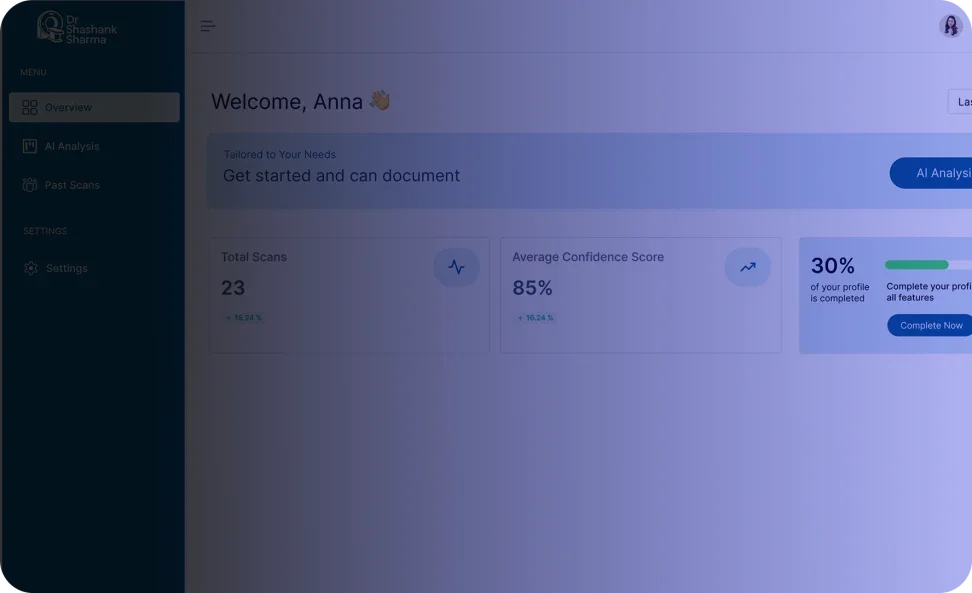
Clinical outputs are suggestions with evidence, surfaced for review and sign-off. Nothing changes a care decision without a clinician.
PHI protected by design
Models run in your cloud or on-premise, with de-identification where possible, BAAs where not, and request-level audit logs.
Validated on your population
Accuracy is measured on your own patients, scanners and documentation style, not on a public benchmark that looks nothing like your hospital.
Inside the EHR, not beside it
Outputs land in Epic, Oracle Health or your EHR through FHIR and HL7 interfaces, so clinicians do not have to open another app.
HIPAA-ready observability for clinical AI
When an AI system handles patient data, its logs are part of your HIPAA scope. Perimattic AI Suite keeps request-level audit trails for clinical AI, designed so PHI can be redacted before telemetry leaves your network.
Services behind these healthcare systems
AI in healthcare: frequently asked questions
How is AI used in healthcare?
Healthcare organisations use AI for clinical documentation, revenue cycle tasks such as coding and denial prediction, extracting data from referrals and records, patient scheduling and triage, medical imaging decision support, and clinical risk prediction. Administrative uses deliver the fastest return; clinical uses need formal validation.
Is AI in healthcare HIPAA compliant?
AI is not compliant or non-compliant by itself; the system around it is. A HIPAA-aligned build signs BAAs with every vendor that touches PHI, minimises and encrypts patient data, restricts access by role and logs every request. We design to those requirements and supply the evidence your compliance team needs.
How does AI reduce the clinical documentation burden?
Language models draft notes, discharge summaries and letters from encounter transcripts or structured EHR data. The clinician reviews, edits and signs the draft instead of writing from scratch. The model is evaluated on your own note styles, and drafts never enter the record without sign-off.
Does medical imaging AI need FDA clearance?
Often, yes. Software that analyses medical images to support diagnosis is usually regulated as software as a medical device, which needs FDA clearance in the US or UKCA/CE marking in the UK and EU. Worklist prioritisation tools and research uses can follow different paths. We assess the pathway before any build starts.
How does AI improve the revenue cycle?
Models suggest codes from documentation, check claims against payer rules before submission, assemble prior authorisation packets and predict which claims are likely to be denied. Billing teams fix problems before claims go out and work high-value denials first.
Can AI integrate with Epic or Oracle Health?
Yes. We integrate through FHIR R4 APIs, HL7 v2 interfaces and vendor app frameworks, so AI outputs appear inside the clinician's existing workflow. Imaging models connect to PACS through DICOM.
How long does a healthcare AI project take and what does it cost?
A proof of concept for one administrative use case typically takes 2–4 weeks and starts from $3,500. A production system with EHR integration and monitoring takes 6–14 weeks and typically costs $10,000–$30,000. Clinical decision support with formal validation is quoted after scoping.