
Automated Vision QC
Catch defects on the line, not at the end of it
Traditional visual inspection depends on human attention that varies shift by shift, leading to inconsistent reject rates, customer complaints, and rework costs that compound over time.
97%
Defect detection accuracy
<200ms
Inspection latency per part
3,200/hr
Maximum throughput
4–8 wks
Typical time to go live
Why Automated Vision QC?
“Intellyx Vision QC is an AI-powered visual inspection system that detects surface and dimensional defects on a production line in real time using edge-deployed cameras and machine-learning models. The system achieves 97% defect detection accuracy at a throughput of up to 3,200 parts per hour. It integrates directly with existing production lines without requiring ERP replacement and automatically generates non-conformance reports (NCRs) when defects are found.”
Traditional visual inspection depends on human attention that varies shift by shift, leading to inconsistent reject rates, customer complaints, and rework costs that compound over time. Intellyx Vision QC installs AI cameras directly on your line, trains models on your specific product profiles, and flags defects in under 200 milliseconds. Every inspection is logged, timestamped, and available as an audit trail. You get consistent quality enforcement across all shifts without adding headcount, at a fraction of what manual inspection costs at scale.

What Automated Vision QC Does
Core capabilities that make the module production-ready from day one.
Edge AI Hardware
AI inference runs on-device using edge computing hardware installed directly on the production line. This eliminates cloud latency and ensures inspections continue even when your network is unavailable.
Product-Profile Training
Models are trained on your specific product geometry, surface finish, and known defect types, not generic datasets. This produces far higher accuracy than off-the-shelf vision systems on your specific parts.
Real-Time Defect Classification
The system classifies defect type (scratch, dent, misalignment, colour deviation, dimensional out-of-tolerance) and severity in real time. Classification data feeds directly into quality reports and process improvement workflows.
Automatic NCR Generation
When a defect crosses a configurable threshold, Intellyx automatically creates a non-conformance record (NCR) with image evidence, timestamp, machine ID, and batch number. This removes manual paperwork from quality engineers.
100% Inspection Coverage
Unlike human inspection that samples a percentage of output, Vision QC inspects every single part. This is especially critical for safety-critical automotive and pharmaceutical components where missed defects carry downstream liability.
Audit-Ready Traceability
Every inspection record is stored with image evidence and part-level metadata, creating a complete quality log that satisfies IATF 16949, WHO-GMP, and customer OEM audit requirements without separate documentation effort.
How Automated Vision QC Gets Deployed
A structured deployment process that minimises disruption and delivers results within the first 90 days.
Camera and Lighting Installation
Perimattic engineers assess your line and install industrial cameras, appropriate lighting rigs, and edge AI computing units at inspection points. Installation typically takes 1–3 days and does not require line shutdown.
Model Training on Your Products
The AI model is trained using images of your actual parts, both conforming and defective samples. Training runs for 2–4 weeks using production data to ensure the model is calibrated to your specific tolerances and defect types.
Threshold Configuration and Validation
Quality engineers set acceptance thresholds for each defect class. The system runs in parallel with existing inspection for 1–2 weeks to validate accuracy before going live as the primary inspection method.
Go Live and Dashboard Activation
Vision QC goes live as the primary inspection system. Real-time defect rates, NCR logs, and quality trend dashboards are available immediately on the Intellyx platform and can be accessed from any browser or mobile device.
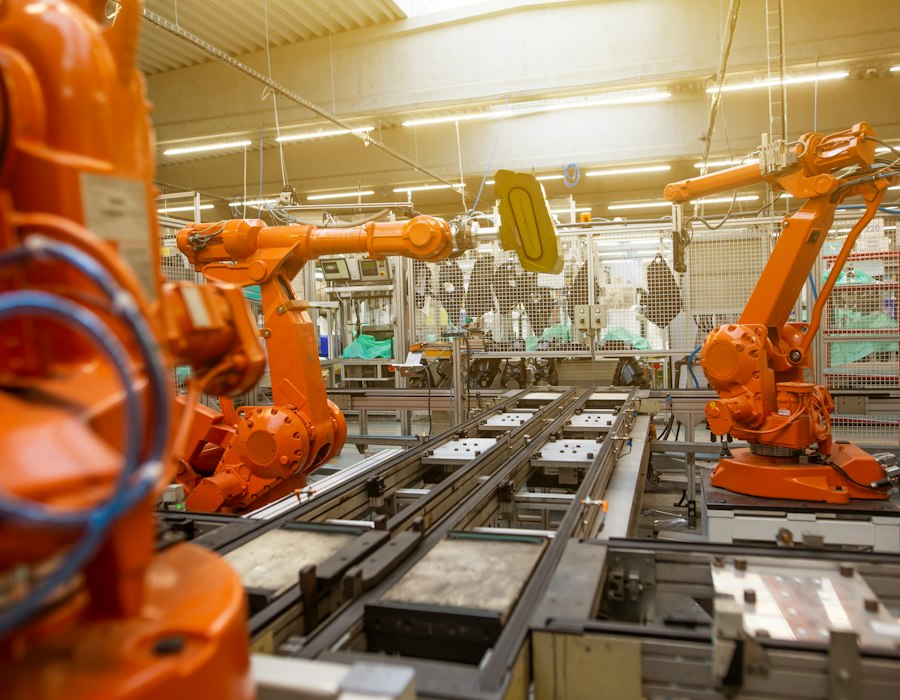
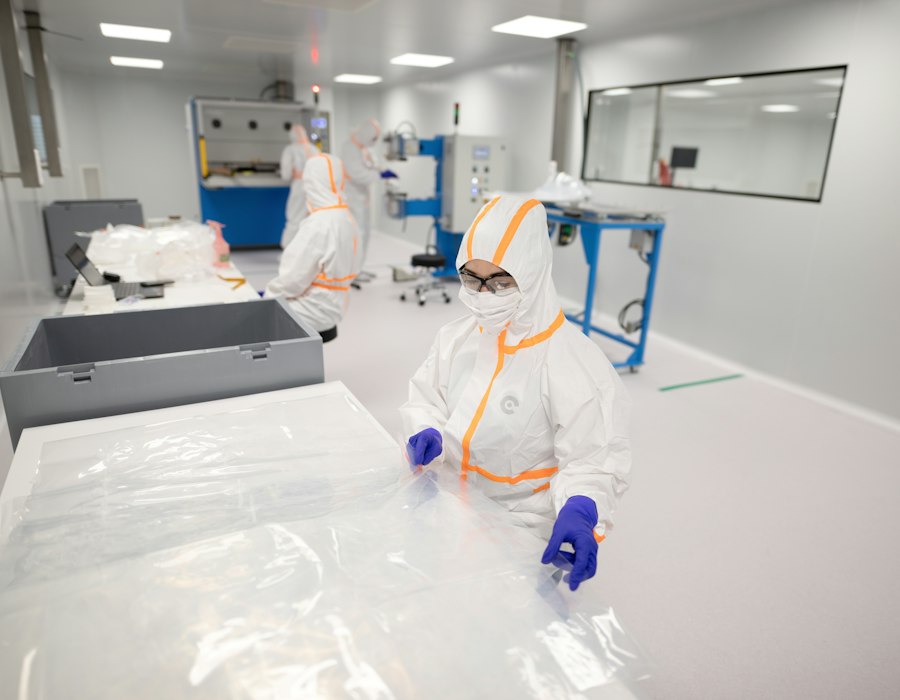
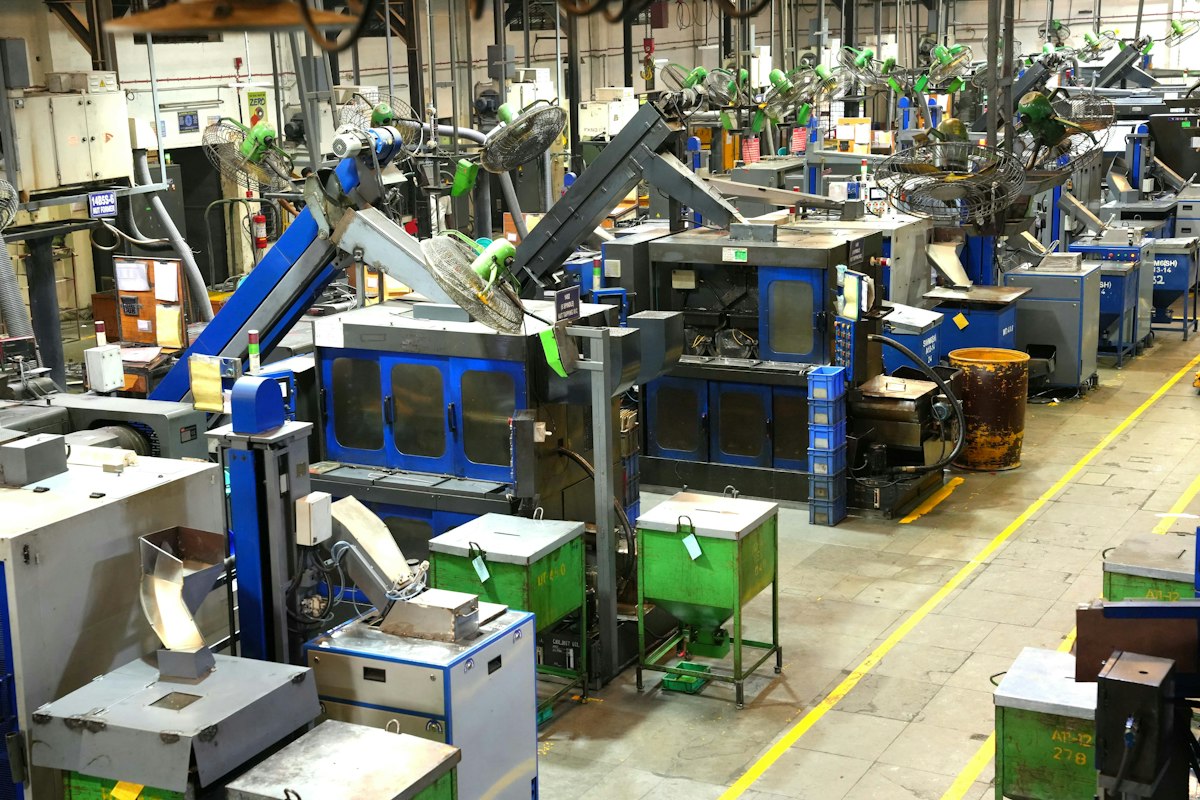
Automated Vision QC Across Industries
How manufacturers in different sectors put this module to work.


Common Questions About Automated Vision QC
How accurate is Intellyx Vision QC compared to manual inspection?
Intellyx Vision QC achieves 97% defect detection accuracy under controlled production conditions, compared to approximately 70–80% for experienced human inspectors under normal production fatigue. Human inspection accuracy degrades significantly during night shifts, at high line speeds, and when inspectors are responsible for multiple product types simultaneously. The AI model maintains consistent performance regardless of shift timing, ambient lighting variation, or operator experience level. For safety-critical applications, the system can be configured for zero-miss sensitivity, accepting a higher false-positive rate to ensure no defective part passes inspection.
Does Vision QC work on our existing production line, or do we need to modify the line?
Vision QC is designed to install on existing production lines without structural modification. The cameras and edge units are mounted on adjustable gantries or existing line fixtures, and installation does not require a production shutdown. Most installations are completed during scheduled maintenance windows. The system is compatible with conveyor speeds from 10 to 120 metres per minute depending on part size and required inspection resolution. For lines running at speeds above this range, Perimattic engineers will assess whether line-speed adjustment or additional camera stations are required before committing to a deployment.
What types of defects can Vision QC detect?
Vision QC can detect surface defects (scratches, dents, pitting, corrosion), dimensional deviations (length, width, diameter out of tolerance), assembly defects (missing components, incorrect placement, misalignment), cosmetic defects (colour deviation, print quality, label placement), and structural defects (cracks, voids, inclusions) depending on the inspection setup and product type. The specific defect library is built during the model training phase using your actual defective samples. Defects that are too small to be detected at line speed, or that require destructive or X-ray inspection, are outside the scope of visual AI inspection.
How long does it take to deploy Vision QC on our line?
A standard Vision QC deployment takes 4–8 weeks from hardware installation to go-live as the primary inspection system. The first 1–3 days cover hardware installation. Model training runs over 2–4 weeks using production samples. A parallel-run validation phase of 1–2 weeks follows, where the AI system runs alongside existing inspection to confirm accuracy before cutover. Complex multi-product lines with many SKUs and tight tolerances may require additional training time. The 90-day overall Intellyx deployment commitment covers the full system including Vision QC.
What happens when the Vision QC system detects a defect?
When a defect is detected above the configured severity threshold, Vision QC takes the following actions simultaneously: it flags the part for rejection or hold, creates an automated NCR with image evidence and metadata, sends an alert to the configured quality engineer or supervisor via the Intellyx dashboard or WhatsApp, and logs the defect in the production quality database. If defect rates cross a configurable threshold within a defined time window, an escalation alert is sent to senior management. All of this happens within 200 milliseconds of the defect being detected, while the part is still on the line.
What is the cost of Vision QC, and how is it priced?
Intellyx uses a hybrid pricing model with a one-time hardware and setup fee for the edge AI equipment, plus a per-module annual subscription for the software platform. At typical production volumes, the effective cost per inspection is significantly lower than the labour cost of dedicated manual inspectors. Exact pricing depends on the number of inspection stations, line speed, and product complexity. Contact the Perimattic sales team at sales@perimattic.com for a deployment-specific quote.
More questions? Talk to the Perimattic team
Related Intellyx Modules
Modules that are often deployed alongside Automated Vision QC on the same Intellyx manufacturing intelligence platform.
See how an Intellyx deployment works or compare Intellyx Vision QC vs Manual Visual Inspection. Further reading: How AI Defect Detection Works.
Deploy Automated Vision QC In Your Factory
Perimattic starts with a scoping call to understand your specific challenges, then provides a practical deployment plan and ROI estimate before you commit.