
Key Takeaways
- ✓AI-powered demand forecasting helps businesses improve forecasting accuracy, reduce stockouts and overstocking, and respond faster to changing market conditions.
- ✓Perimattic Demand OS combines demand forecasting, inventory optimization, demand sensing, and supply planning in one AI-powered platform.
- ✓Explainability is an important differentiator when teams need to understand the drivers behind forecast recommendations.
- ✓Blue Yonder, o9 Solutions, ToolsGroup, NetSuite Forecast, and GMDH Streamline each serve different business sizes and planning requirements.
- ✓The right demand forecasting platform depends on scale, integration requirements, time to value, budget, explainability, and industry needs.
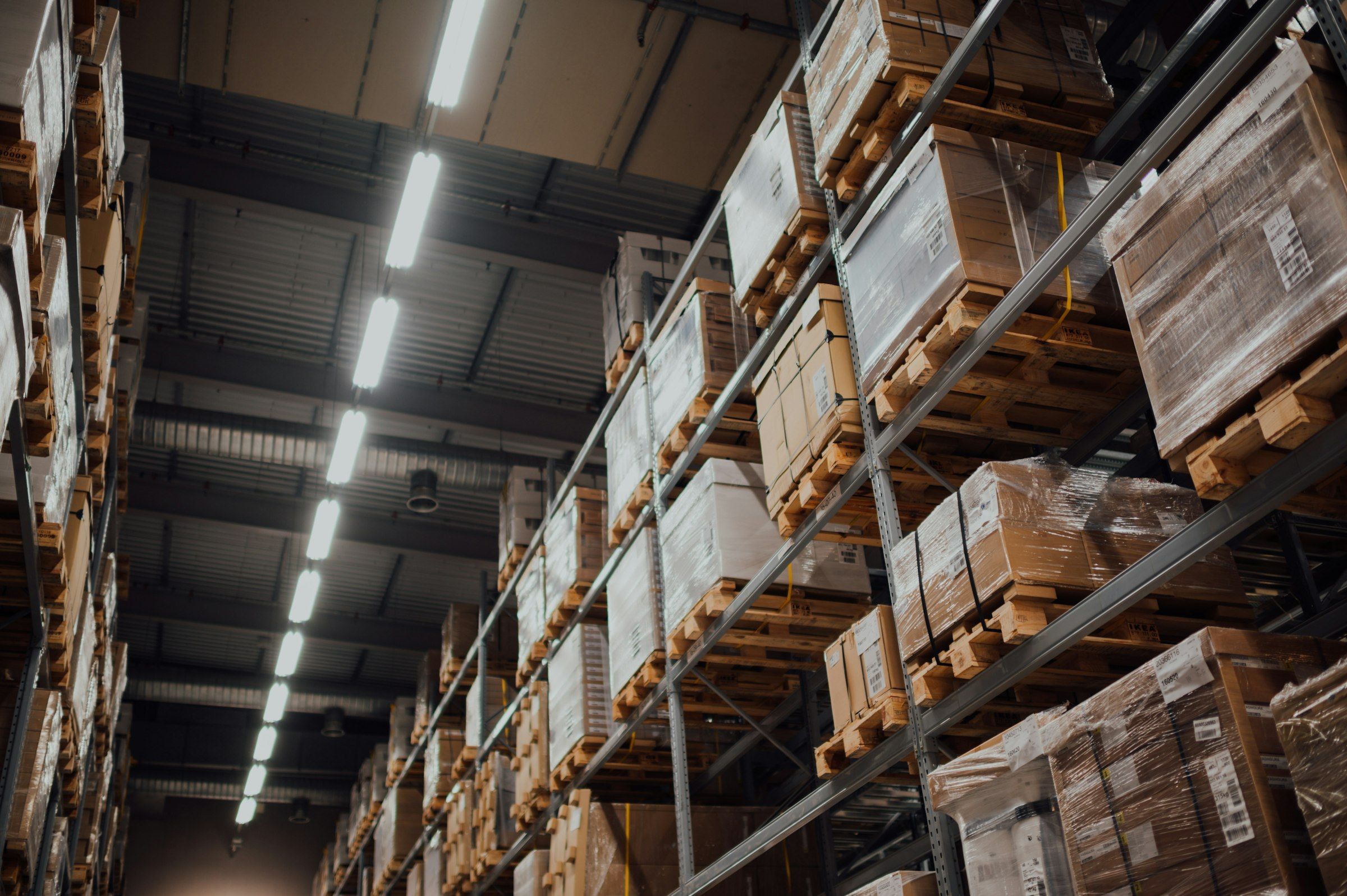
In today's data economy, manufacturing and retail businesses operate in increasingly volatile market conditions. Customer preferences change quickly, supply chains are more complex, and competition continues to increase. Traditional forecasting methods, which often rely heavily on historical data and static models, are no longer sufficient for businesses that need to respond to rapidly changing demand.
AI-powered demand forecasting tools use artificial intelligence and machine learning to identify patterns, process large volumes of data, and generate more adaptive demand forecasts. By incorporating factors such as seasonality, promotions, market signals, inventory data, and other relevant inputs, these systems help businesses make faster and more informed planning decisions.
This article introduces Perimattic Demand OS, our AI-powered demand planning platform, and compares it against other leading demand forecasting software and demand planning software available in the market, so you can understand how the platforms compare based on scale, implementation, capabilities, and use cases.
Executive Summary
Demand forecasting has become more difficult as businesses deal with changing customer behavior, supply chain disruption, shorter planning cycles, and increasing pressure to optimize inventory.
Traditional forecasting systems can struggle when demand patterns change quickly or when planners need to incorporate multiple internal and external signals into their decisions. AI-powered demand forecasting platforms address this challenge by using machine learning and advanced analytics to identify patterns and continuously improve forecasts.
The market includes large enterprise planning platforms such as Blue Yonder and o9 Solutions, specialized demand planning platforms such as ToolsGroup, ERP-integrated solutions such as NetSuite Forecast, and more accessible platforms such as GMDH Streamline.
Perimattic Demand OS takes a different approach by combining demand forecasting, inventory optimization, supply planning, explainable AI, and real-time demand sensing in a single platform designed for teams that need faster implementation and greater transparency.
The goal is not simply to find the platform with the longest feature list. It is to choose a demand forecasting system that matches your operational complexity, planning requirements, existing technology stack, and timeline for achieving value.
| 1 |
Perimattic Demand OS: AI-Powered Demand Planning Built for Speed and Transparency |
Perimattic Demand OS is demand forecasting software and demand planning software combined in a single AI-powered platform.
It brings together forecasting, inventory optimization, and supply planning, with pilots designed to go live in weeks rather than the 6–24 months often associated with legacy planning suites.
What Sets Perimattic Demand OS Apart
Explainable AI
Explainable AI helps planners understand the reasoning behind every forecast number.
Rather than treating the forecasting engine as a black box, Demand OS shows which demand drivers, including promotions, seasonality, and external signals, influenced the forecast and by how much.
This gives planning teams more confidence in the output and allows them to override recommendations when business context requires human judgment.
Real-Time Demand Sensing
Real-Time Demand Sensing captures short-term demand changes from POS data, channel signals, and market indicators as they occur.
Instead of waiting for a monthly planning cycle to finish, teams can respond to changing demand patterns in days rather than weeks.
AI Forecasting Engine
The AI Forecasting Engine automatically selects and blends appropriate machine learning models for each SKU-location combination based on the characteristics of the available data.
The engine continuously evaluates model performance and adapts as demand patterns change, reducing the need for manual model tuning.
Inventory Optimization
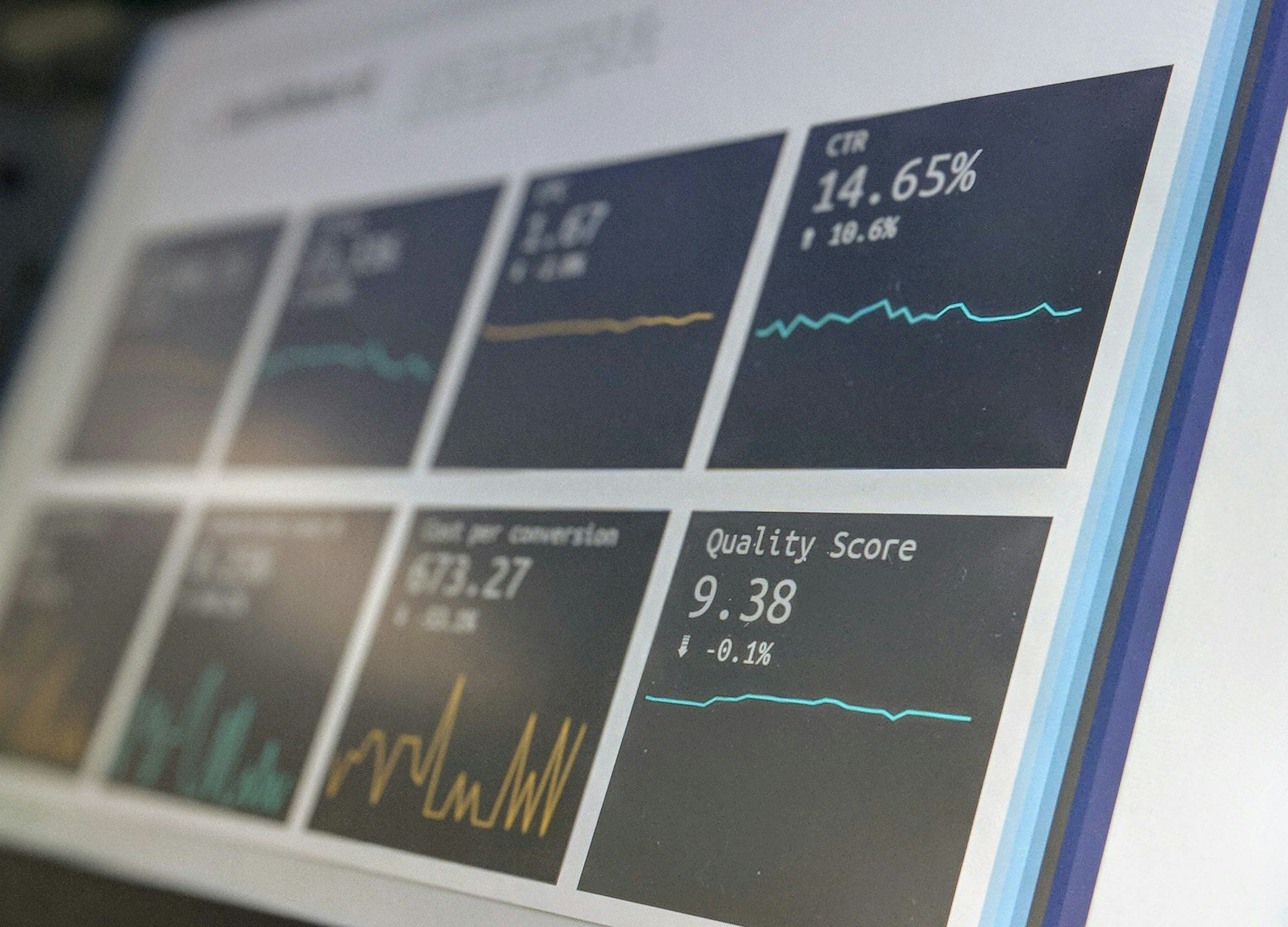
Inventory Optimization translates demand forecasts into actionable inventory targets across the distribution network.
The platform helps balance service levels against carrying costs across central warehouses, regional distribution centers, and store locations.
Published Pricing
Unlike many enterprise planning platforms that require extended sales and pricing discussions before buyers understand the expected investment, Demand OS provides published price bands upfront.
This allows teams to evaluate product fit earlier in the buying process.
| 2 |
Why AI-Powered Demand Forecasting Is a Game Changer |
AI-enabled demand forecasting is changing how manufacturers, retailers, distributors, and supply chain teams approach planning.
Greater Accuracy
Traditional forecasting often relies heavily on historical information and static forecasting models.
AI can incorporate a broader range of available data, including:
- Historical sales
- Seasonal trends
- Weather conditions
- Promotions
- Competitive activity
- Market signals
- Social media sentiment
- Channel data
By analyzing more signals and identifying patterns across large datasets, AI-powered forecasting can help businesses generate more adaptive forecasts.
Optimized Stock Management
Stockouts and overstocking are two of the most common consequences of inaccurate demand planning.
AI-powered forecasting helps businesses align inventory levels more closely with expected demand, improving the ability to maintain product availability while reducing unnecessary inventory.
Enhanced Operational Efficiency
More accurate demand forecasts can improve planning across multiple business functions, including:
- Production
- Workforce planning
- Logistics
- Procurement
- Inventory management
- Promotions
Scalability
AI models can process large volumes of information across multiple products, locations, and SKUs.
This makes AI-powered forecasting particularly useful for businesses where manual forecasting becomes difficult to maintain at scale.
Lower Operating Costs
Improved forecasting can help businesses reduce unnecessary inventory, optimize supply chain operations, minimize waste, and improve resource allocation.
| 3 |
How Perimattic Demand OS Compares |
The following comparison provides a high-level view of how Perimattic Demand OS compares with other notable AI-powered demand forecasting platforms.
| Tool | Recommended For | Forecast Accuracy Improvement | Inventory Reduction | Pricing Model |
|---|---|---|---|---|
| Perimattic Demand OS | Enterprises replacing multiple point tools | Explainable per-SKU forecasts | Pilots live in weeks | Published price bands |
| Blue Yonder | Enterprises, retailers | Up to 35% | Up to 20% | Custom enterprise pricing |
| o9 Solutions | CPGs, global manufacturers | ~15% | S&OP cycle −30% | Modular enterprise pricing |
| ToolsGroup | Retailers, manufacturers | Up to 35% | Reduced stockouts | Mid-market SaaS |
| NetSuite Forecast | SMBs using NetSuite ERP | ~50% visibility improvement | ~18% | Add-on module |
| GMDH Streamline | SMBs, e-commerce brands | Up to 95% accuracy | ~22% | Contact for pricing |
The right choice depends on your operational scale, existing systems, planning requirements, budget, implementation timeline, and need for explainability.
| 4 |
Other Notable AI Demand Forecasting Platforms |
If Perimattic Demand OS is not the right fit for your existing technology stack or operational scale, the following platforms are other notable options to consider.
Each platform has different strengths depending on the complexity of your supply chain, planning maturity, budget, and integration requirements.
4.1 Blue Yonder
Overview
Blue Yonder is positioned as a major provider of supply chain optimization technology.
Using AI and machine learning, its Luminate Platform provides demand forecasting and planning capabilities designed for complex enterprise environments.
| 💼 Enterprises & retailers | 💰 Six figures+/yr | ⏳ 12–18 mo. rollout |
Key Features
- Dynamic Demand Forecasting: Uses AI to identify patterns and adjust forecasts based on changing conditions.
- External Data Integration: Incorporates information such as weather, social media trends, and events.
- Probabilistic Forecasting: Evaluates multiple potential demand outcomes with confidence levels.
- End-to-End Visibility: Connects demand planning with inventory, supply chain, and logistics operations.
+Pros
- Strong capabilities for large-scale retail and manufacturing operations
- Comprehensive supply chain platform beyond demand forecasting
- Integration with major ERP systems
- Large implementation and partner ecosystem
–Cons
- Enterprise pricing can make adoption difficult for smaller businesses
- Full implementations can take 12–18 months
- Requires dedicated training and implementation resources
- Advanced customization can require professional services
Pricing
Blue Yonder uses custom enterprise pricing. Contracts typically begin in the six-figure range annually.
Best For
Large retailers and manufacturers that need enterprise-scale demand forecasting across complex and multi-echelon supply chains.
A world-leading retailer accomplished a 20% reduction in stock levels and a 35% improvement in forecast accuracy after implementing Blue Yonder's platform.
👉 Looking for a lighter alternative? See how Perimattic Demand OS compares to Blue Yonder.
4.2 o9 Solutions
Overview
o9 Solutions provides cloud-enabled, AI-powered planning solutions designed to help enterprises make data-driven business decisions.
| 💼 CPGs & manufacturers | 💰 $200K–$500K+/yr | ⏳ Significant onboarding |
Key Features
- Digital Brain: Creates a digital representation of the supply chain and demand environment.
- Real-Time Scenario Planning: Supports what-if analysis for changing demand conditions.
- AI and NLP Features: Incorporates unstructured information such as news, weather, and economic indicators.
- User-Facing Dashboards: Provides interfaces for planners and executives.
+Pros
- Powerful enterprise data architecture
- Strong scenario planning and what-if analysis
- Cloud-native platform
- Supports external demand signals
–Cons
- Premium enterprise pricing
- Broad feature set can require significant onboarding
- Advanced customization may require professional services
- Implementation can require dedicated internal resources
Pricing
o9 uses enterprise pricing based on modules, data volume, and the number of users. Annual contracts typically range from approximately $200K to $500K+ depending on scope.
Best For
Organizations that need advanced scenario planning and analysis of demand drivers, particularly CPG companies and global manufacturers.
A global CPG leader increased forecast accuracy by 15% and accelerated S&OP cycles by 30% using the o9 AI platform.
4.3 ToolsGroup
Overview
ToolsGroup's SO99+ provides demand sensing and planning capabilities powered by machine learning.
| 💼 Retailers & manufacturers | 💰 $100K–$300K/yr | ⏳ Mid-market SaaS |
Key Features
- Demand Sensing: Captures short-term demand changes using near-real-time information.
- Machine Learning Engine: Continuously updates predictive models.
- Multi-Echelon Inventory Optimization: Coordinates inventory levels across warehouses and sales locations.
- Exception-Based Planning: Helps planners focus on critical issues.
+Pros
- Strong demand sensing capabilities
- High levels of planning automation
- Long experience in supply chain optimization
- Multi-echelon inventory optimization
–Cons
- Interface can feel dated compared with newer cloud-native platforms
- Less emphasis on external data integration than some competitors
- Documentation and community resources can be more limited
- Pricing may still be challenging for smaller businesses
Pricing
Annual license fees typically range from approximately $100K to $300K depending on the number of SKUs, locations, and selected modules.
Best For
Mid-sized and large businesses that need short-term and long-term forecasting, particularly retailers and distributors with complex inventory networks.
A European retailer realized 35% fewer stockout-related lost sales after implementing ToolsGroup.
👉 See how Perimattic Demand OS compares to ToolsGroup.
4.4 Forecast by NetSuite
Overview
NetSuite Demand Planning is part of Oracle NetSuite's ERP ecosystem.
It provides demand forecasting capabilities alongside inventory management, order management, financial systems, CRM, and supply chain functionality.
| 💼 SMBs on NetSuite ERP | 💰 $5K–$10K+/yr add-on | ⏳ ERP add-on module |
Key Features
- Integrated Forecasting: Connects forecasting with ERP, finance, and logistics data.
- Historical Pattern Analysis: Uses historical performance and growth patterns.
- Inventory Synchronization: Connects planning with inventory data.
- Algorithm Customization: Supports forecasting adjustments based on industry needs.
+Pros
- Strong integration with the NetSuite ERP ecosystem
- Lower barrier to entry for existing NetSuite customers
- Backed by Oracle
- Built-in dashboards and reporting
–Cons
- Forecasting capabilities can be less advanced than specialized planning platforms
- Limited value for businesses outside the Oracle and NetSuite ecosystem
- AI capabilities may not match dedicated demand planning platforms
- Costs can increase as additional modules are added
Pricing
NetSuite Demand Planning is available as an add-on module. The demand planning module typically adds approximately $5,000–$10,000+ annually depending on transaction volume and SKU count.
Best For
SMBs and enterprises already using NetSuite that want integrated demand forecasting without implementing a separate planning platform.
A health supplement manufacturer using NetSuite realized 50% higher demand visibility and reduced stock holdings by 18%.
4.5 GMDH Streamline
Overview
GMDH Streamline is a demand forecasting and inventory planning platform aimed primarily at small and medium-sized businesses.
| 💼 SMBs & e-commerce | 💰 Free trial available | ⏳ Fast implementation |
Key Features
- AI Forecasting Engine: Combines statistical forecasting and machine learning.
- Auto-Replenishment Planning: Generates purchase-order recommendations.
- User-Friendly Interface: Designed for relatively simple adoption.
- Multi-Channel Demand Aggregation: Combines data from offline and online channels.
+Pros
- More accessible for smaller businesses
- Faster implementation compared with large enterprise platforms
- User-friendly interface
- Strong Excel integration
–Cons
- Limited enterprise capabilities compared with larger platforms
- Less external data integration
- Cloud capabilities are less mature than some competitors
- Smaller implementation and partner ecosystem
Pricing
Pricing varies based on the number of SKUs and locations. GMDH offers a free trial.
Best For
SMBs and growing e-commerce businesses looking for demand forecasting and inventory planning without the complexity or cost of large enterprise systems.
An apparel manufacturer reduced inventory carrying costs by 22% and achieved 95% forecast accuracy after implementing Streamline.
| 5 |
Benefits of Adopting AI-Fueled Forecasting Systems |
1. Data-Driven Decision Making
AI technologies can analyze historical, current, and predictive information to support planning decisions.
According to McKinsey, companies using AI-driven supply chain management have seen:
|
15%
lower logistics costs
|
35%
lower inventory levels
|
65%
better service levels
|
2. Greater Resistance to Market Shocks
From supply disruptions to sudden changes in customer behavior, AI models can adapt to new information faster than traditional static forecasting approaches.

3. Enhanced Customer Experience
Having the right products available at the right time improves customer satisfaction and helps reduce lost sales.
|
$1.75 trillion
lost globally each year to inventory distortion — stockouts, overstocks, and preventable returns (IHL Group)
|
4. Less Waste
More accurate forecasts can reduce unnecessary inventory and product waste, particularly in industries such as food, fashion, consumer goods, and perishable products.
5. Faster Planning Cycles
AI automation can reduce the amount of manual work involved in demand planning and help teams respond faster to changing demand signals.
| 6 |
How to Choose the Right AI Demand Forecasting Tool |
When selecting a forecasting solution, consider the following factors and where Perimattic Demand OS fits against each.
Scale of Operations
Enterprise platforms such as Blue Yonder and o9 are designed for large organizations with thousands of SKUs and operations across multiple regions.
Demand OS is designed for mid-market to enterprise teams that are replacing multiple point tools with a unified demand planning platform.
Industry-Specific Needs
Different platforms prioritize different demand signals and planning capabilities. Choose a platform based on the planning problems that are most important to your business.
Integration Capabilities
Consider integration with:
- ERP systems
- POS systems
- Inventory platforms
- Supply chain applications
- Data warehouses
- Business intelligence tools
Ease of Use
Evaluate the learning curve, planner experience, dashboard usability, manual intervention requirements, implementation complexity, and training requirements.
Budget
Pricing varies significantly between demand forecasting platforms.
Demand OS provides published price bands so teams can evaluate product fit earlier in the buying process.
Time to Value
Large enterprise planning systems can take many months or longer to fully deploy.
GMDH Streamline and Perimattic Demand OS are positioned around faster deployment, with Demand OS pilots designed to go live in weeks.
Explainability
Black-box forecasting can make it difficult for planners to understand or trust recommendations.
Explainability is a core differentiator of Perimattic Demand OS, allowing planners to see which factors influenced a forecast and use that information alongside business context and human judgment.
| 7 |
Which AI Demand Forecasting Platform Is Right for Your Business? |
Consider Blue Yonder if:
You are a large enterprise or retailer with a complex supply chain and need a broad end-to-end planning platform.
Consider o9 Solutions if:
Your organization needs advanced scenario planning, enterprise data integration, and support for complex global operations.
Consider ToolsGroup if:
You need strong demand sensing and inventory optimization across retail, distribution, or manufacturing operations.
Consider NetSuite Forecast if:
Your organization already uses NetSuite ERP and wants demand planning integrated into the existing ecosystem.
Consider GMDH Streamline if:
You are a smaller business or growing e-commerce company looking for a more accessible forecasting and inventory planning platform.
Consider Perimattic Demand OS if:You need a platform that combines:
|
Final Thoughts
AI-powered demand forecasting tools are no longer a future technology category. They have become an important part of how manufacturers, retailers, distributors, and supply chain teams respond to increasingly complex and volatile market conditions.
The goal is not simply to generate a more accurate forecast.
The larger opportunity is to connect demand forecasting with inventory decisions, supply planning, operational execution, and faster business responses.
Perimattic Demand OS was built for this shift, combining explainable forecasts, real-time demand sensing, AI-powered forecasting, inventory optimization, and supply planning in one platform.
For organizations evaluating alternatives, Blue Yonder, o9 Solutions, ToolsGroup, NetSuite Forecast, and GMDH Streamline each offer strengths depending on business scale, budget, existing technology systems, and planning requirements.
The right platform should help your team answer the questions that matter most:
- What demand should we expect?
- Why is the forecast changing?
- What should we do next?
- How should inventory and supply plans change?
- How quickly can we respond?
|
For teams that need transparent, AI-powered demand planning with pilots designed to go live in weeks. Explore Perimattic Demand OS → |