
Intellyx for Electronics & Electrical Manufacturing
Electronics manufacturing in India demands precision quality control at production speeds that make manual inspection impractical: a single missed solder defect on a PCB can cause a field failure that triggers costly warranty claims and OEM customer complaints. Intellyx Vision QC brings AI-powered inline inspection to PCB solder joint quality, component placement, and electrical assembly, at the throughput required for high-volume SMT lines. Combined with real-time OEE monitoring of SMT, wave solder, and assembly stations, Intellyx gives production and quality managers complete visibility of the electronics manufacturing floor in real time.

What is Intellyx for Electronics & Electrical Manufacturing, and why does it matter?
Intellyx for electronics and electrical manufacturing provides computer vision-based PCB and solder joint inspection, real-time OEE monitoring for SMT and assembly lines, and automated defect logging with image evidence. The system integrates with existing production management systems and delivers real-time production alerts and shift reports to quality and operations teams via WhatsApp and the Intellyx dashboard.

Challenges in Electronics & Electrical Manufacturing
These are the most common operational and compliance problems Intellyx solves for electronics & electrical manufacturing manufacturers in India.
PCB Defects Caught at Final Testing
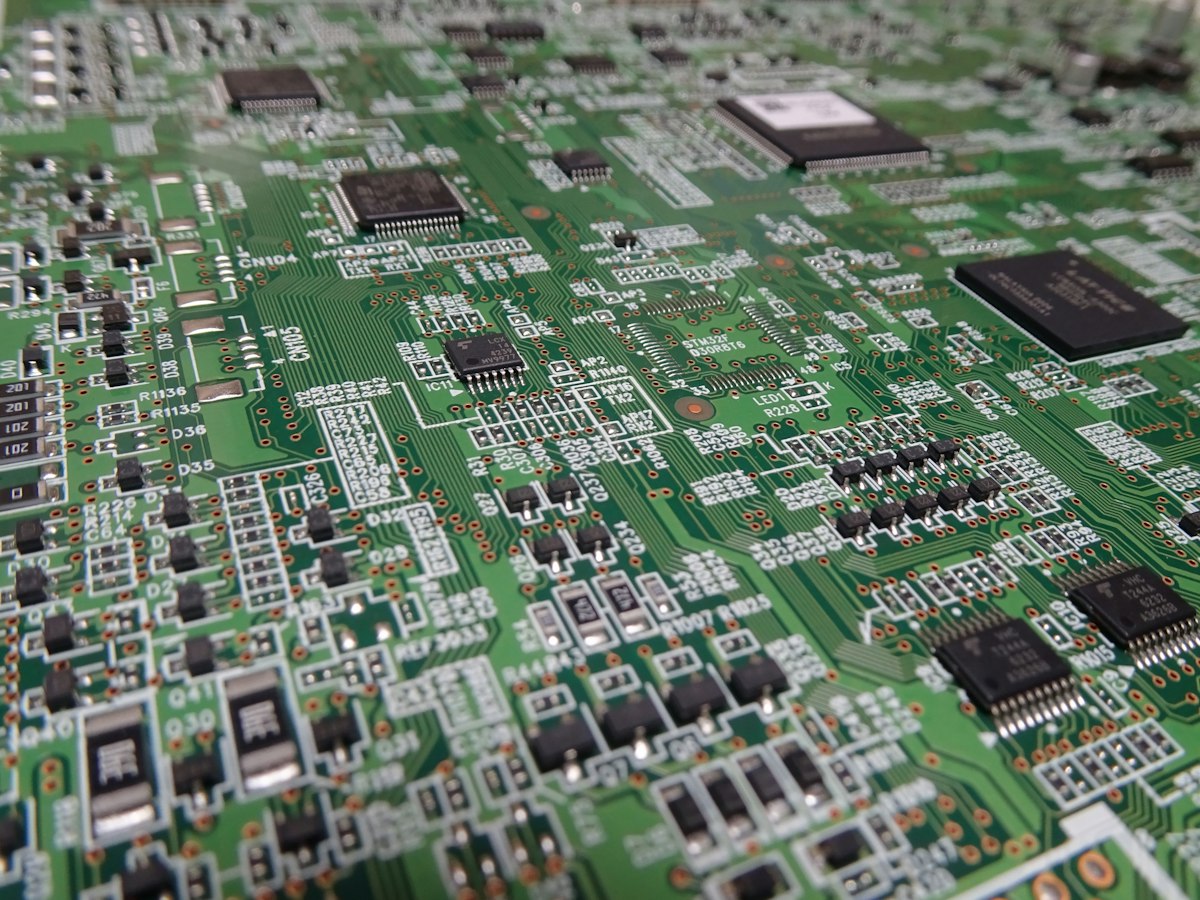
Solder defects, component misplacements, and trace issues on PCBs are typically caught only at in-circuit test (ICT) or functional test, after the full assembly cost has been incurred. Defects caught late generate expensive rework, scrap, and schedule disruption.
Inconsistent Manual Visual Inspection
Manual AOI or visual inspection of PCBs is inconsistent across operators and shifts, especially for fine-pitch solder joints and QFN components where defects are difficult to see without magnification. Rejection rates vary significantly between inspectors, creating quality inconsistency.
SMT Line Performance Invisible in Real Time
SMT line OEE (including pick-and-place machine uptime, feeder errors, and changeover time) is typically available only from end-of-day machine logs or manual supervisor reports. Real-time production tracking against daily build targets is unavailable in most Indian electronics plants.
Traceability for OEM and Export Customers
Export customers and large OEM buyers increasingly require PCB-level traceability linking component batch information, production parameters, and inspection results to each finished board. Manual traceability records cannot be generated at the volume required for high-mix electronics assembly.
Intellyx Modules for Electronics & Electrical Manufacturing
These modules are most relevant for electronics & electrical manufacturing operations. Each can be deployed independently and integrated with your existing ERP.


What Changes After Intellyx Goes Live
Typical improvements reported by electronics & electrical manufacturing customers following Intellyx deployment.
Representative Deployment Scenario
This scenario is illustrative of typical deployments. It is not a case study or specific customer reference.
Representative Scenario: PCB Assembly Manufacturer
The Challenge
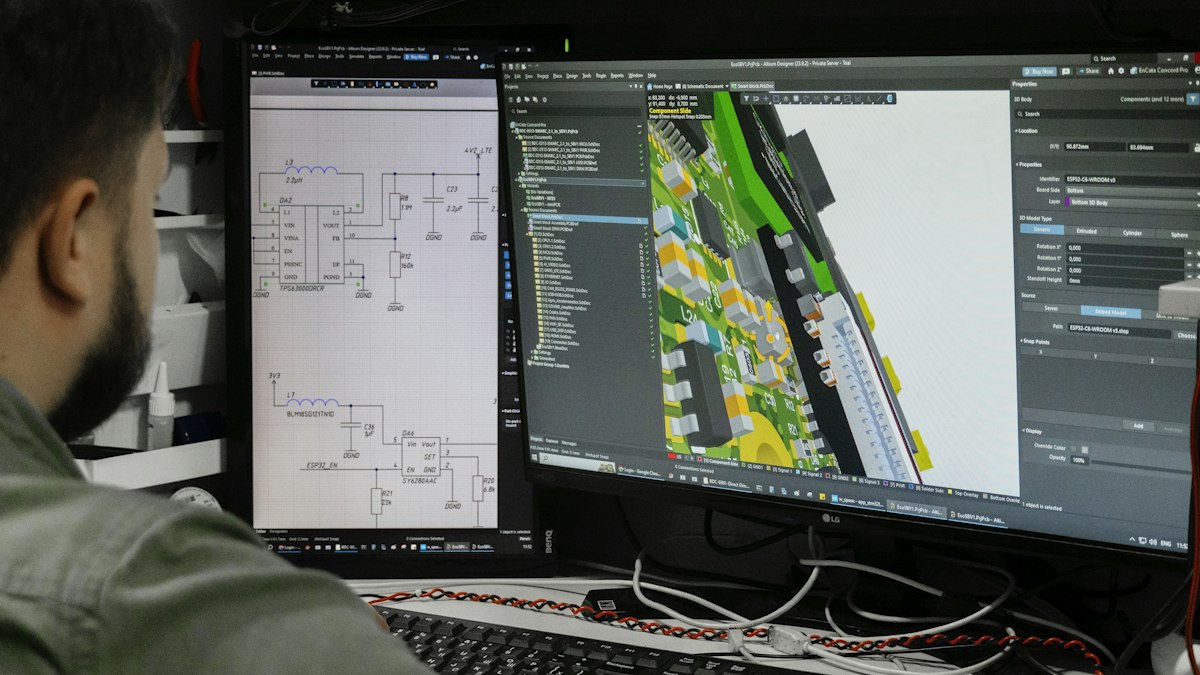
An electronics manufacturer assembling PCBs for industrial applications experienced rising rejection rates at final functional testing due to solder defects, primarily solder bridges, insufficient solder, and component misplacements on fine-pitch ICs. Manual visual inspection after reflow oven was inconsistent across shifts. Rejection rates varied from 3% to 12% between shifts. OEM customer complaints about field failures were increasing.
The Intellyx Solution
Intellyx Vision QC cameras and edge AI units were installed after the reflow oven and wave solder stations. AI models were trained on PCB inspection profiles for each product family, covering solder joint appearance, component placement, and pad cleanliness criteria. The system was integrated with the production MRP to link inspection results to production orders. Automated NCRs with image evidence were generated for each defect, eliminating manual inspection paperwork.
Outcomes
- 90%reduction in solder defect escapes to functional test
- 100%inspection coverage (every PCB vs sampling)
- Zeromanual inspection documentation, all automated
- Consistentrejection rate across all shifts, shift variation eliminated
Standards Electronics & Electrical Manufacturing Deployments Are Aligned To
Intellyx helps electronics & electrical manufacturing manufacturers maintain the data trails and audit documentation required by these industry standards and regulatory frameworks.
IPC-A-610 (Acceptability of Electronic Assemblies)
Acceptability of Electronic Assemblies: a recognized standard for electronics & electrical manufacturing compliance and audit requirements.
IPC-J-STD-001 (Soldering Requirements)
Soldering Requirements: a recognized standard for electronics & electrical manufacturing compliance and audit requirements.
ISO 9001:2015
An international management-system standard relevant to electronics & electrical manufacturing compliance and audit requirements.
RoHS Directive (2011/65/EU)
An EU hazardous-substance restriction directive relevant to electronics & electrical manufacturing compliance and audit requirements.
BIS certification requirements
A Bureau of Indian Standards certification relevant to electronics & electrical manufacturing compliance and audit requirements.
CE marking for export
An European Union export marking requirement relevant to electronics & electrical manufacturing compliance and audit requirements.
Frequently Asked Questions
Can Intellyx Vision QC inspect fine-pitch solder joints and BGA components?
Intellyx Vision QC uses high-resolution industrial cameras with appropriate magnification optics that can resolve solder joints down to 0201 (imperial) component sizes under controlled lighting conditions. For BGA and hidden-joint inspection, standard 2D vision inspection has inherent limitations: X-ray inspection is the appropriate technology for hidden joints. Intellyx is best suited to through-hole and SMT components where the solder joint is visible, covering the majority of defect types found in standard PCB assembly. The specific inspection capability for your product mix is assessed during the deployment scoping phase to confirm whether Vision QC can address your quality control requirements.
How does the Vision QC system handle different PCB product types on the same line?
Intellyx maintains a separate AI model profile for each PCB product family, with different defect criteria, component placement references, and acceptance thresholds. When a changeover occurs on the line (moving from one PCB type to another), the operator selects the new product profile from the Intellyx interface, and the system switches to the corresponding inspection model. For high-mix lines with frequent changeovers, the profile switching process takes less than a minute. Product profiles are built during the model training phase for each SKU introduced to the line.
Does Intellyx replace an AOI (Automated Optical Inspection) machine?
Intellyx Vision QC serves the same function as a dedicated AOI machine (inline optical inspection of PCBs for solder and placement defects) but using AI-trained camera systems rather than specialised AOI hardware. Whether Intellyx Vision QC or a dedicated AOI machine is the right choice depends on production volume, product mix complexity, and budget. Dedicated AOI machines from established vendors (Koh Young, Omron, Yamaha) offer extremely high throughput and established inspection libraries for standard components, but cost ₹50–150 lakhs per station. Intellyx Vision QC has a significantly lower total cost and is better suited to factories with high product variety that requires frequent model retraining and customisation.
See How Intellyx Works in Electronics & Electrical Manufacturing
Talk to a Perimattic engineer about deploying Intellyx in your electronics & electrical manufacturingfacility. No commitment required: we'll assess your setup and tell you exactly what's possible.