Setting Up an Offshore Technical Development Team for Staffing Future
Perimattic set up an offshore technical development team for Staffing Future, lowering operational costs by 40% and increasing project throughput by 30%.
- Client:
- Staffing Future
- Industry:
- Staffing & Recruitment Solutions
- Tech stack:
- JavaScript, TypeScript, Node.js +7 more
- Updated:
- Lower operational costs
- 40%
- Higher project throughput
- 30%
- Offshore transition plan
- Phased
- Quality benchmarks for delivery
- KPIs
Case study summary
Perimattic set up an offshore technical development team for Staffing Future, a provider of staffing websites, job boards and digital marketing tools for recruitment firms. After analysing operations and skill needs, we planned a phased transition of technical work offshore, partnered with a trusted offshore development centre, onboarded developers into Staffing Future's workflows and set KPIs for delivery. Operational costs fell 40% and project throughput rose 30%.
About Staffing Future
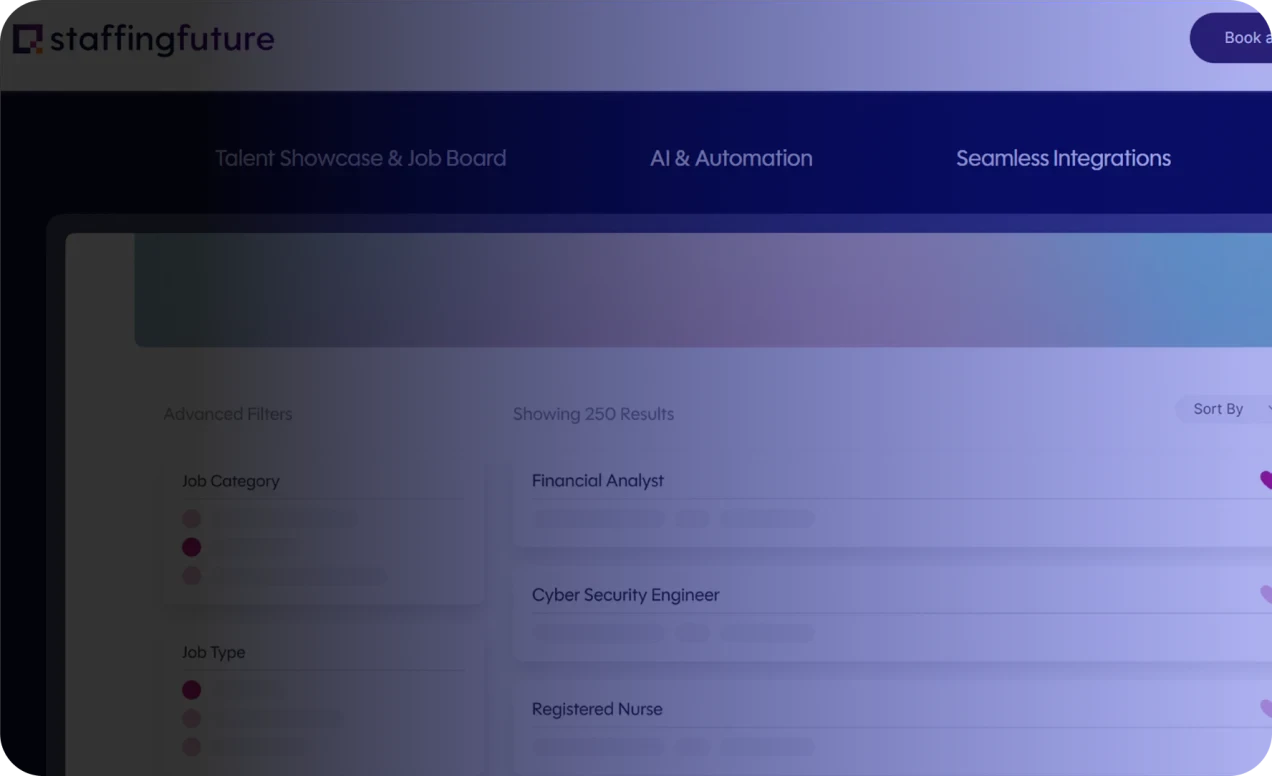
Staffing Future provides staffing website solutions and digital marketing strategies that help staffing agencies and recruitment firms strengthen their online presence. Its platform includes customised websites, job boards and integrated marketing tools that help clients attract and retain top talent. The company needed to scale development quickly, reduce costs and access global talent while maintaining quality and smooth project execution.
The challenge: scaling development without scaling local hiring
Scalability
The in-house team struggled to keep up with growing demand for new features, enhancements and ongoing maintenance.
Talent acquisition
Recruiting and retaining skilled developers in local markets was difficult, which delayed projects.
Focus on core competencies
Leadership needed to focus on strategic planning and client engagement rather than day-to-day technical execution.
How Perimattic set up the offshore development team
Perimattic planned and ran the move to an offshore model end to end, from business analysis and a phased transition plan to team selection, onboarding and day-to-day collaboration. If you're weighing the same decision, our guide to in-house vs outsourced software development covers the trade-offs.
Business analysis and strategic planning
- Analysed operations, project demand and technical requirements in detail
- Designed a phased plan for moving technical tasks offshore
- Mapped skill requirements to the project pipeline
- Built an integration roadmap designed to avoid disrupting live projects
Offshore team setup
- Partnered with a trusted offshore development centre
- Selected developers with the right technical expertise and domain knowledge
- Trained the offshore team in Staffing Future's workflows, tools and standards
- Established KPIs and quality benchmarks for consistent delivery
Collaboration and cost optimisation
- Implemented Jira and Slack for smooth collaboration
- Scheduled regular sync-ups, sprint reviews and reporting
- Structured competitive compensation and performance-based incentives
- Optimised resource allocation to maximise ROI while maintaining quality
Results: 40% lower costs and 30% higher throughput
40% cost reduction
Offshore resources and improved workflows lowered operational costs by 40%.
Enhanced scalability
The technical team scaled quickly to meet demand.
Access to global talent
A diverse pool of developers brought new ideas and broader technical capability.
30% productivity boost
Project throughput rose by 30%, with faster turnaround on features and enhancements.
Stronger business positioning
Staffing Future is better able to meet evolving client requirements in the staffing industry.
Technologies and tools on the Staffing Future team
The languages, frameworks, platforms and integrations used to deliver this project.
Questions about this project
How did Staffing Future reduce operational costs by 40%?
By moving technical work to an offshore team through a phased transition, optimising resource allocation, and improving workflows with clear KPIs, regular sprint reviews and structured reporting.
How was the offshore transition managed?
Perimattic analysed operations and project demand, designed a phased transition plan, mapped skills to the project pipeline, and built an integration roadmap designed to keep live projects running. Offshore developers were then selected, trained in Staffing Future's workflows and measured against agreed KPIs.
Which tools did the teams use to collaborate?
Jira for project management and Slack for communication, with regular sync-ups, sprint reviews and reporting.