
Intellyx for Textile Manufacturing
Indian textile manufacturers face a combination of intense cost pressure, multi-shift operations, and increasingly demanding quality requirements from export customers and domestic brands. Intellyx addresses the three highest-impact visibility gaps in textile production: knowing which looms are underperforming in real time (not at month end), catching fabric defects on the line rather than at finished goods inspection, and understanding where energy costs are going machine by machine. For multi-plant textile groups, the unified dashboard eliminates the manual weekly reporting cycle that consumes management time without delivering the granularity needed to act.
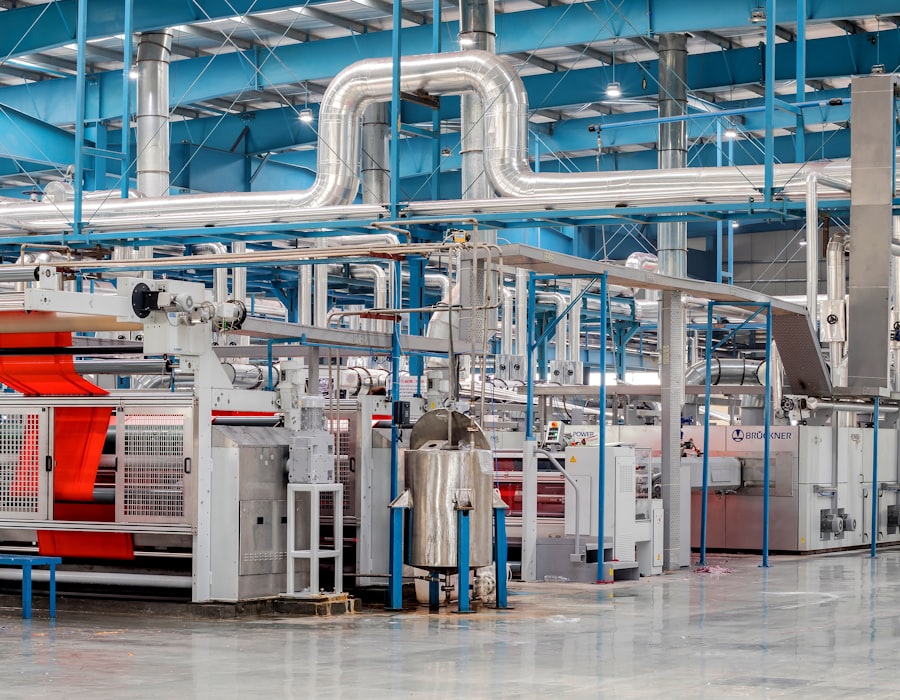
What is Intellyx for Textile Manufacturing, and why does it matter?
Intellyx for textile manufacturing provides loom-wise OEE monitoring, real-time fabric defect detection using computer vision, per-machine energy consumption tracking, and multi-plant production visibility from a unified dashboard. The platform connects to Tally, SAP, and ERPNext without replacement, and delivers automated shift reports and production alerts to supervisors and management via WhatsApp.
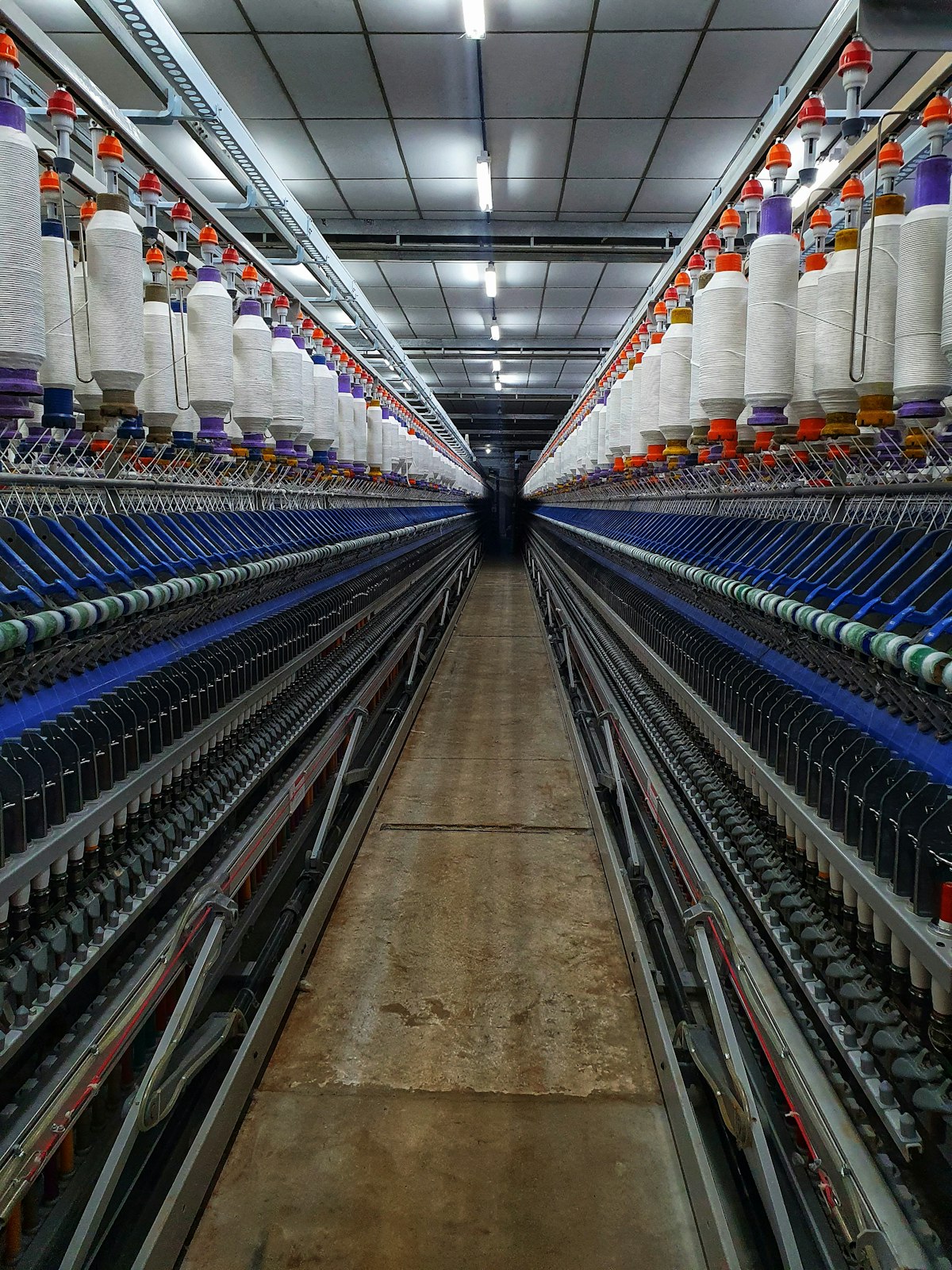
Challenges in Textile Manufacturing
These are the most common operational and compliance problems Intellyx solves for textile manufacturing manufacturers in India.
No Real-Time Visibility Across Multiple Plants
Textile groups with multiple plants often run disconnected systems: different ERPs, different reporting formats, and no standardised KPIs. The COO or operations director is dependent on plant managers to compile and send manual weekly reports that arrive late and in incompatible formats.
Loom Downtime Invisible Until Shift End
When a loom stops due to a warp break, machine fault, or power failure, the stoppage is typically recorded on paper or not recorded at all until the shift supervisor's end-of-shift report. By the time management knows, the production target is already missed.
Fabric Defects Caught at Final Inspection
Manual fabric inspection on a light table at the end of production is slow, inconsistent across shifts, and catches defects only after full production cost has been incurred. Defective grey fabric that has gone through dyeing and finishing adds significant rework cost.
Energy Waste Invisible Across Looms
Textile plants run large numbers of similar looms, and the energy consumption difference between a healthy loom and one running inefficiently (due to mechanical issues or idle running) is typically invisible in aggregate energy bills. Per-loom monitoring identifies outliers that consume disproportionate energy relative to output.
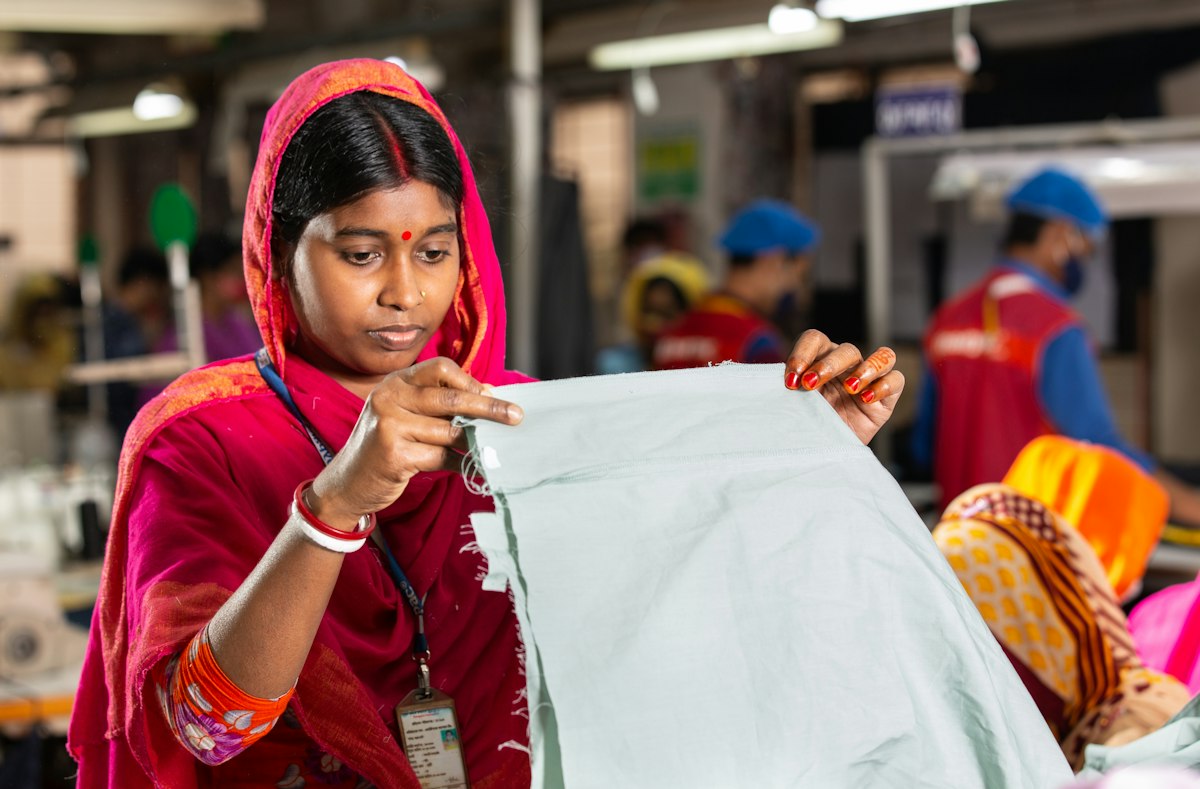
Intellyx Modules for Textile Manufacturing
These modules are most relevant for textile manufacturing operations. Each can be deployed independently and integrated with your existing ERP.
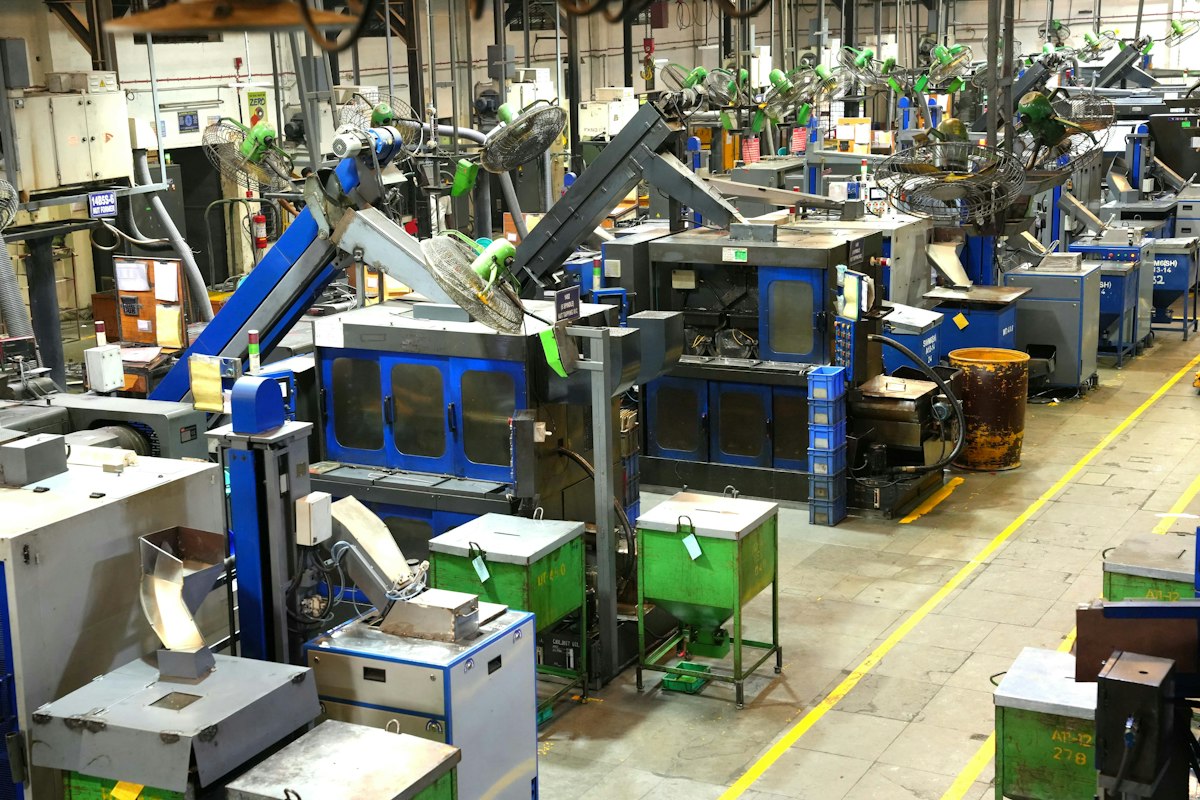
What Changes After Intellyx Goes Live
Typical improvements reported by textile manufacturing customers following Intellyx deployment.
Representative Deployment Scenario
This scenario is illustrative of typical deployments. It is not a case study or specific customer reference.
Representative Scenario: Multi-Plant Textile Group
The Challenge
A textile manufacturing group operating three weaving plants had no unified view of performance across its facilities. Each plant ran a different ERP or manual system. The COO spent 3 hours weekly compiling performance reports from plant managers. Wastage was invisible until the monthly P&L. Loom downtime was recorded manually and typically not reported until shift end. Energy cost per metre of fabric was unknown.
The Intellyx Solution
Intellyx deployed OEE Monitoring across all three plants with loom-level connectivity via PLC integration and retrofit sensors on older looms. A unified multi-plant dashboard was configured with standardised KPIs. Automated shift reports were scheduled to the COO and plant heads via WhatsApp daily. Energy monitoring was deployed at the loom-level distribution boards to enable per-loom consumption tracking. Tally integration eliminated manual stock reconciliation.
Outcomes
- 18 ptsOEE improvement across the loom floor
- 29%reduction in energy costs
- Zeromanual weekly reporting, automated via WhatsApp
- Real-timeunified visibility across all three plants
Standards Textile Manufacturing Deployments Are Aligned To
Intellyx helps textile manufacturing manufacturers maintain the data trails and audit documentation required by these industry standards and regulatory frameworks.
Oeko-Tex Standard 100
A textile safety certification standard relevant to textile manufacturing compliance and audit requirements.
ISO 9001:2015
An international management-system standard relevant to textile manufacturing compliance and audit requirements.
BIS IS 1061 (Grey Fabrics)
Grey Fabrics: a recognized standard for textile manufacturing compliance and audit requirements.
GOTS (Global Organic Textile Standard)
Global Organic Textile Standard: a recognized standard for textile manufacturing compliance and audit requirements.
Export quality standards (AEPC guidelines)
AEPC guidelines: a recognized standard for textile manufacturing compliance and audit requirements.
Frequently Asked Questions
Can Intellyx monitor looms that do not have PLCs or digital interfaces?
Yes. Intellyx supports loom monitoring on older machines without PLCs using retrofit IoT sensors that detect machine on/off state from motor current draw and vibration signature. This approach captures production runtime and stoppage events (the core data needed for OEE calculation) without requiring hardware modification to the loom. For looms with existing electronic jacquard or dobby controllers, additional data (picks per minute, pick count) can often be accessed via controller interface. Perimattic's engineers will assess each loom type during the site survey and confirm what data is accessible.
How does fabric defect detection work on a weaving or knitting line?
Intellyx Vision QC installs cameras across the full fabric width at a point where the fabric is flat and moving at a consistent speed, typically after the take-up roll on a weaving loom or after the batching unit on a knitting machine. AI models trained on your specific fabric construction and colour identify weave defects (missing picks, broken ends, reed marks, knot marks) and contamination in real time. When a defect is detected, an alert is sent to the loom operator and quality supervisor. The system logs defect location, type, and frequency, providing data for systematic loom adjustment and quality improvement over time.
We have Tally for accounts. Can Intellyx integrate with it and sync production data?
Yes. Intellyx integrates with TallyPrime to pull production targets, raw material stock, and finished goods inventory data into the monitoring platform without replacing Tally as the accounting system. This integration eliminates the manual stock reconciliation that Tally-using textile manufacturers typically perform at month end. Production output data from Intellyx can be reflected in Tally inventory without manual entry. The specific integration scope (which data flows in which direction) is configured during the deployment scoping phase based on the factory's Tally setup.
How does Intellyx handle the seasonal and order-driven production patterns typical in textile manufacturing?
Intellyx production targets are configurable on a daily or weekly basis to reflect order-driven production schedules, and the OEE variance alerting adjusts dynamically to the current target. For multi-product plants where different fabric qualities run on different looms, each loom can have separate OEE targets and quality parameters that are loaded when a new order is started. The system does not require fixed production schedules and accommodates the variable throughput patterns typical of order-driven Indian textile manufacturing.
See How Intellyx Works in Textile Manufacturing
Talk to a Perimattic engineer about deploying Intellyx in your textile manufacturingfacility. No commitment required: we'll assess your setup and tell you exactly what's possible.