
Python Development Services
Python back ends, data pipelines and the services that put machine learning models into production. Python appears in eight of our published case studies, from document automation to medical imaging.
- APIs that serve ML and computer vision models
- Document processing and extraction pipelines
- Data pipelines and scheduled jobs
- Back ends for AI chatbots and assistants
- Integrations between AI services and business systems
What is Python development used for?
Python development is building software in the Python language, most often APIs, data pipelines, automation and anything that touches machine learning. Its libraries for data and AI are the reason most production ML runs on Python, and frameworks such as FastAPI make it a fast, typed choice for APIs.
Our Python work is mostly where data meets product: turning a model into a reliable API, moving documents through an extraction pipeline, or scheduling the jobs that keep data fresh. We keep it in its lane, pairing it with Node.js or React where those are the better tool.
Last updated by the Perimattic engineering team.

Which Python tools do we use, and where?
Python itself, plus the frameworks we build services on. ML libraries such as PyTorch and OpenCV are covered on their own page.

Python
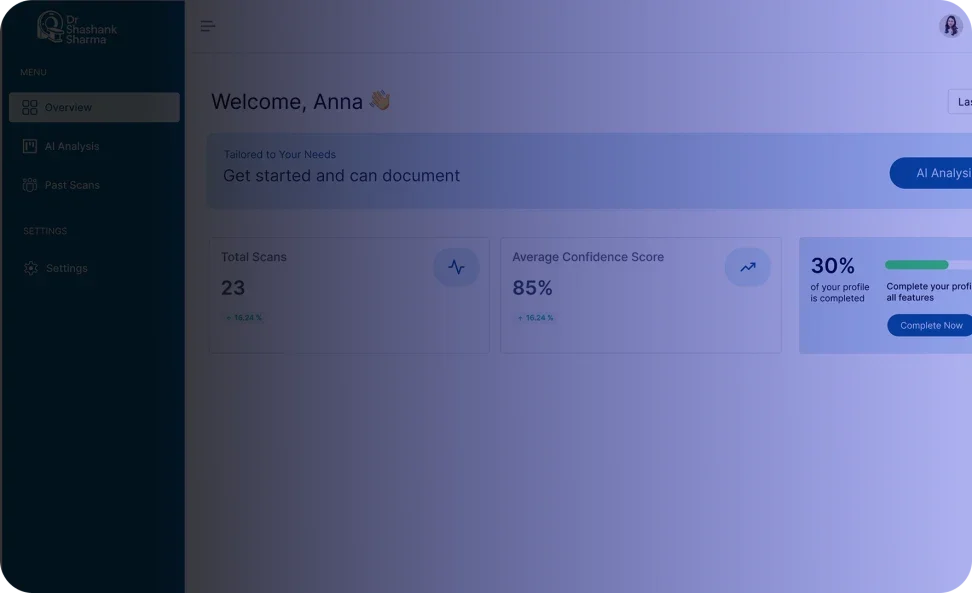
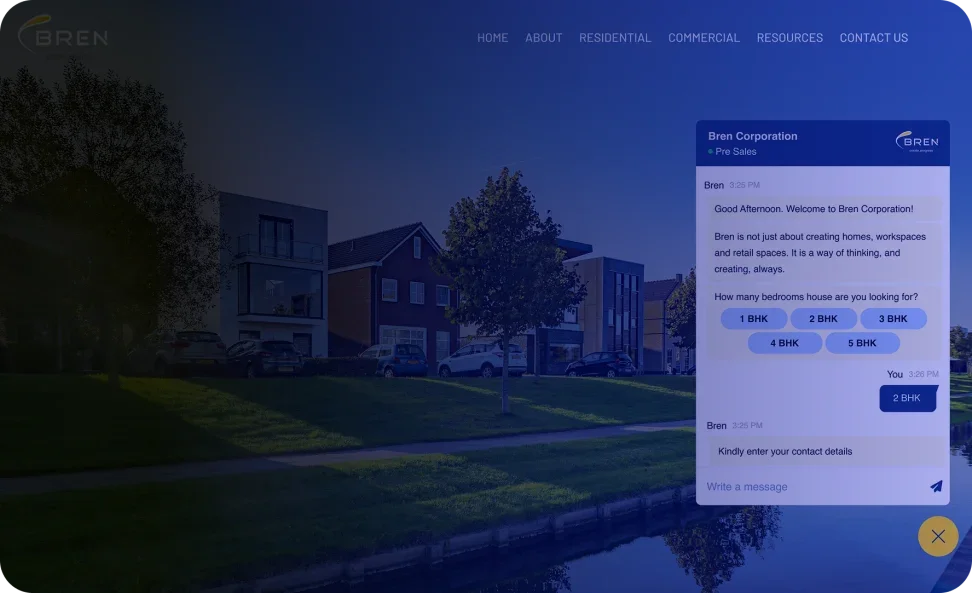
Used in client projectsUsed in eight case studies, including the document-automation system that cut processing time 67%, the consulting firm's RAG knowledge system, the HR hiring platform, Bren's chatbot and the lung-disease detection system.

FastAPI
Used in client projectsOur default for Python APIs, used to serve the lung-disease detection model. It is fast, typed and generates API docs automatically.
Celery
We work with itFor background jobs and queues, such as long document extractions or batch scoring, so APIs stay responsive while heavy work runs.
What do we build with Python?
Python does six jobs across our portfolio. Most sit between an AI model and the business system that uses its output.
Model-serving APIs
Endpoints that take a scan, a photo or a document and return a prediction, with logging and fallbacks.
Document pipelines
Extraction from invoices, contracts and forms, as in the system that cut manual errors 90%.
Computer vision services
Image analysis for defect inspection, panel visualization and medical imaging.
Chatbot and assistant back ends
Conversation logic, retrieval and CRM hand-off behind chatbots such as Bren's.
Data pipelines
Scheduled jobs that clean, move and enrich data, orchestrated with Apache Airflow where needed.
AI features in existing products
Python services that add matching, scoring or search to a product whose main back end is Node.js.
How do we use Python well?
Python is easy to start and easy to get wrong in production. These are the decisions that matter most.
FastAPI, Django or Flask?
FastAPI for APIs and model serving; Django when a project needs a full admin and ORM
FastAPI is fast and typed; Django saves time when an admin interface is part of the product.
Python or Node.js for the main API?
Node.js for product APIs; Python for anything that runs a model or crunches data
Splitting by job keeps each service on the ecosystem it is best at.
Synchronous or queued work?
Queue anything that takes more than a few seconds
Long extractions or model runs should not hold an HTTP request open or time out under load.
How to deploy?
Containers, on Kubernetes when there are several services or GPU workloads
As on the lung-disease system, containers keep model versions and dependencies reproducible.
| The question | What we usually pick | Why |
|---|---|---|
| FastAPI, Django or Flask? | FastAPI for APIs and model serving; Django when a project needs a full admin and ORM | FastAPI is fast and typed; Django saves time when an admin interface is part of the product. |
| Python or Node.js for the main API? | Node.js for product APIs; Python for anything that runs a model or crunches data | Splitting by job keeps each service on the ecosystem it is best at. |
| Synchronous or queued work? | Queue anything that takes more than a few seconds | Long extractions or model runs should not hold an HTTP request open or time out under load. |
| How to deploy? | Containers, on Kubernetes when there are several services or GPU workloads | As on the lung-disease system, containers keep model versions and dependencies reproducible. |
Which Python systems have we shipped?
These case studies list Python or FastAPI in their published tech stack.

Production, not notebooks
We ship Python as tested, containerised services with monitoring, not as scripts that only run on one laptop.
Measured outcomes
Published results include 67% less processing time, 90% fewer manual errors and 60% faster scan analysis.
Right tool per service
We pair Python with Node.js and React where they fit better, instead of forcing one language everywhere.
How do we deliver Python projects?
Five stages, from scoping call to release. Every engagement is priced before the work starts.
- 1
Scoping call
Goals, constraints and the existing stack, with a written scope and fixed price before any build.
- 2
Architecture
Stack choices written down with the trade-offs, reviewed with your team before code starts.
- 3
Build in sprints
Short sprints with a working demo at the end of each, on a staging environment you can use.
- 4
Release
CI/CD, automated tests and monitoring in place before production traffic arrives.
- 5
Handover or support
Documented code and runbooks for your team, or ongoing support and maintenance from ours.
On Python projects that serve a model, we agree accuracy and latency targets before building, then load-test the API against them before release.
Which services use this stack?


Python development: common questions
What do you use Python for?
Mostly APIs that serve ML and computer vision models, document and data pipelines, and back ends for AI assistants. For general product APIs we often use Node.js alongside it.
Which Python framework do you use?
FastAPI for most APIs and model serving. We use Django when a project needs a full admin interface and ORM, and Flask only when extending an existing Flask codebase.
Can Python handle production traffic?
Yes, when it is built for it: async frameworks, background queues for long jobs, containers that scale horizontally and proper monitoring.
Can you put our data scientists' models into production?
Yes. We turn notebooks and trained models into tested, versioned APIs with monitoring, and set up the pipeline to retrain and redeploy them.
Can we hire dedicated Python developers?
Yes. As well as fixed-scope projects, we set up dedicated teams that work inside your process and tools.