


Key Takeaways
- Software can help capture, organise, and retrieve manufacturing evidence; it does not certify a plant or guarantee compliance.
- IATF 16949, pharmaceutical GMP, and FSSAI requirements differ. Map each requirement to an approved process, owner, record, and retention rule.
- Time-stamped machine and process data can support investigations, trend reviews, and audit preparation when validated and governed appropriately.
- Before relying on digital records, confirm access control, audit trail, backup, time synchronisation, data integrity, validation, and change control.
How connected production data can strengthen records and visibility while leaving compliance responsibility with the quality system and the people who operate it.

Start with the requirement, not the dashboard
A compliance audit asks whether the organisation has defined and followed effective controls. A monitoring platform may make evidence easier to collect and review, but it cannot decide whether a process is validated, whether a deviation is acceptable, or whether a corrective action is effective.
The practical starting point is a requirement-to-record map. For each product or process requirement, document what must be controlled, how often it is measured, who reviews it, what happens when it falls outside limits, and where the evidence is retained. Then decide whether real-time data can improve that control.
IATF 16949 in automotive supply chains

IATF 16949 is a quality management system standard for automotive production and relevant service parts. Its requirements work alongside customer-specific requirements and the organisation’s own control plans, measurement systems, and corrective-action processes. Suppliers should consult the current licensed standard and applicable OEM requirements; public summaries are not substitutes for the normative text.
A connected system can help by time-stamping process readings, associating events with machine or production context, highlighting out-of-limit conditions, and making trends easier to review. It does not replace measurement system analysis, calibration, process approval, control-plan ownership, product identification, or the organisation’s required response to nonconformance.
For automotive operations, the useful question is whether a record is attributable, legible, contemporaneous, original or a controlled copy, accurate, and retrievable under the organisation’s documented system. Validate the implementation against the exact process and customer requirements.
WHO-GMP and Indian pharmaceutical manufacturing

WHO good manufacturing practice principles and India’s Drugs Rules Schedule M place strong emphasis on documented procedures, controlled operations, equipment, records, and investigation of deviations. Pharmaceutical manufacturers must consult the current applicable Indian rules, licence conditions, and approved quality system; the applicable requirements can vary by product and facility.
Machine and process monitoring can support visibility into temperature, pressure, environmental conditions, run status, and alarms. It can also help bring event timelines into a deviation investigation. But electronic records used as GMP evidence need appropriate system validation, role-based access, audit trails where required, time controls, backup, retention, and review procedures. A dashboard screenshot alone is not a validated GMP record.
The quality unit remains responsible for approved limits, batch disposition, deviations, change control, and ensuring that records are complete and trustworthy.
FSSAI and food manufacturing
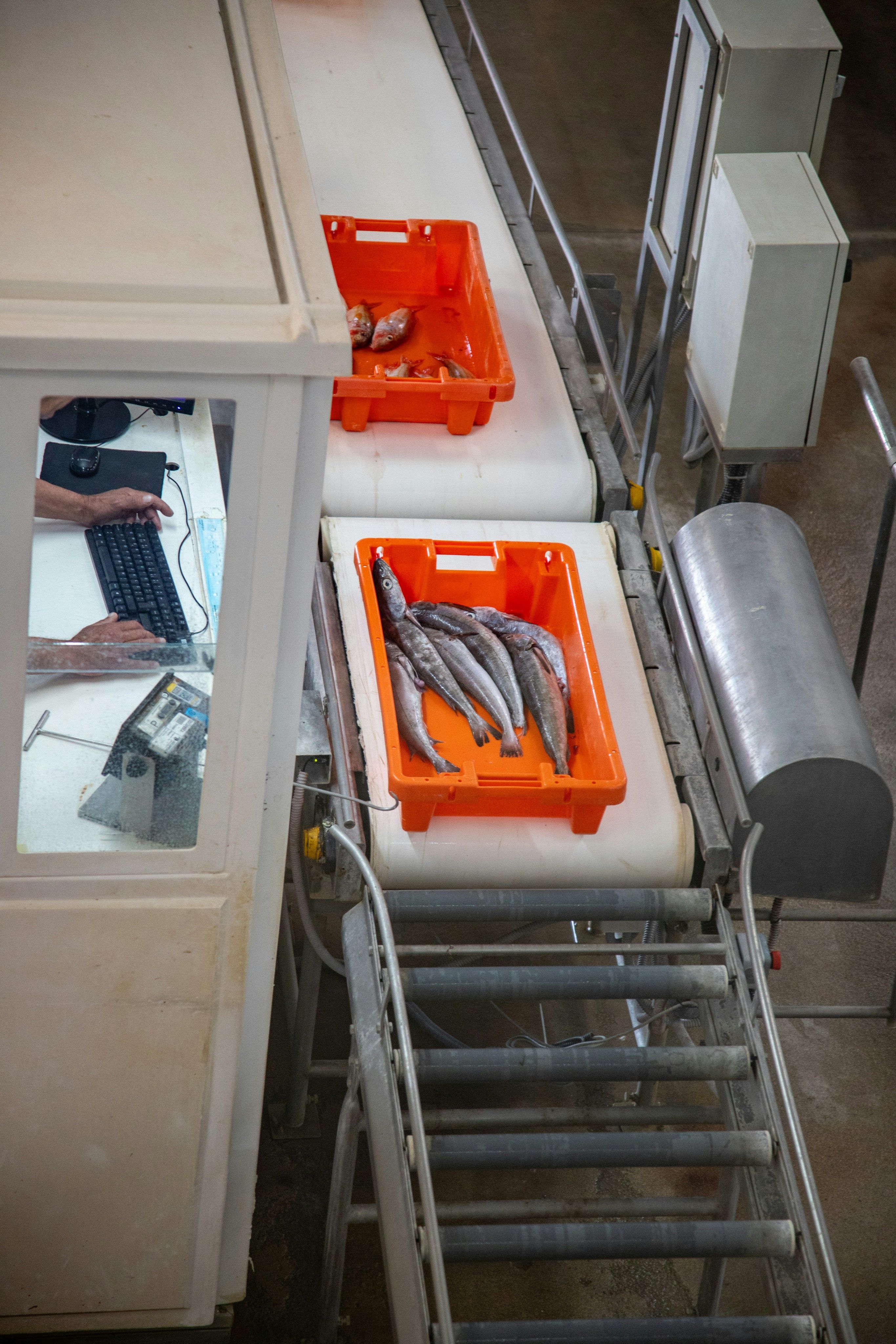
FSSAI’s Schedule 4 framework covers hygiene and food safety management practices for food businesses. The requirements and inspection checklists vary by food business sector. Manufacturers should map their licence category and applicable Schedule 4 part to their FSMS plan and current FSSAI guidance.
Real-time temperature, time, cleaning, line status, or monitoring data may support operational control and faster response when a critical parameter drifts. To be useful, the record needs a defined critical or operational limit, a responsible reviewer, documented corrective action, and retention consistent with the food safety plan. Software does not replace sanitation, hazard analysis, competent staff, laboratory testing, or inspection obligations.
A monitoring system’s evidence checklist
| Data integrity: | Can records be linked to the right machine, line, batch, product, and time? Are corrections visible and controlled? |
| Access and accountability: | Are user roles appropriate, and can the organisation identify who reviewed or changed a record? |
| Time and continuity: | Are clocks synchronised? What happens during network loss, power interruption, or delayed uploads? |
| Validation and change control: | Has the system been tested for intended use? Are configuration changes assessed, approved, and documented? |
| Retention and retrieval: | Can authorised staff retrieve records for the required period in a readable form? Are backup and restore procedures tested? |
| Deviation workflow: | Does an alert create a documented assessment and follow-up, or does it merely appear on a screen? |
How Intellyx may fit
Perimattic describes Intellyx OEE Monitoring as capturing live production data and supporting automated shift reports. Its industry pages discuss automotive and pharmaceutical use cases, including production visibility and audit trails. Those descriptions indicate possible operational support, not regulatory approval or a compliance guarantee. Confirm the exact record controls and intended use with Perimattic and your quality/regulatory teams before deployment.
A useful pilot can begin with a specific record problem: late downtime reporting, hard-to-reconstruct process excursions, or fragmented shift logs. Define the approved record, retention, validation, and review process before treating any output as regulated evidence.
Conclusion
Real-time monitoring can make process conditions and records more visible. Compliance still depends on the organisation’s quality system, validated processes, trained people, and documented response. Treat software as one control-supporting component, and verify its intended use against the applicable rule and customer requirements.
Explore Intellyx for automotive, pharmaceutical, and food and beverage manufacturing, then review the scope with your quality and regulatory leads.
Sources and further reading
- IATF Global Oversight: official resources | https://www.iatfglobaloversight.org/
- CDSCO: Drugs Rules and Schedule M resources | https://www.cdsco.gov.in/opencms/opencms/en/Acts-Rules/Drugs-Rules/
- FSSAI: Schedule 4 hygiene requirements | https://fssai.gov.in/inspection/hygiene-requirements
- FSSAI: inspection matrices by food business sector | https://fssai.gov.in/inspection/inspection-matrices
- Intellyx OEE Monitoring | https://perimattic.com/products/perimattic-intellyx/oee-monitoring/
- Intellyx deployment overview | https://perimattic.com/products/perimattic-intellyx/how-it-works/