


Key Takeaways
- A manufacturing intelligence platform brings production, machine, quality, and maintenance signals into a usable operational picture.
- It typically sits alongside ERP, PLC, SCADA, and quality systems; its role is to make operating conditions visible and connect anomalies to action.
- For Indian plants, useful fit questions include legacy machine connectivity, shift-level reporting, multi-plant visibility, and whether teams can respond to alerts.
- Intellyx describes modules for OEE, Vision QC, predictive maintenance, energy, and digital twin; confirm scope and outcomes for the specific site.
A practical guide for Indian manufacturers connecting shop-floor signals to decisions that can be acted on during the shift.
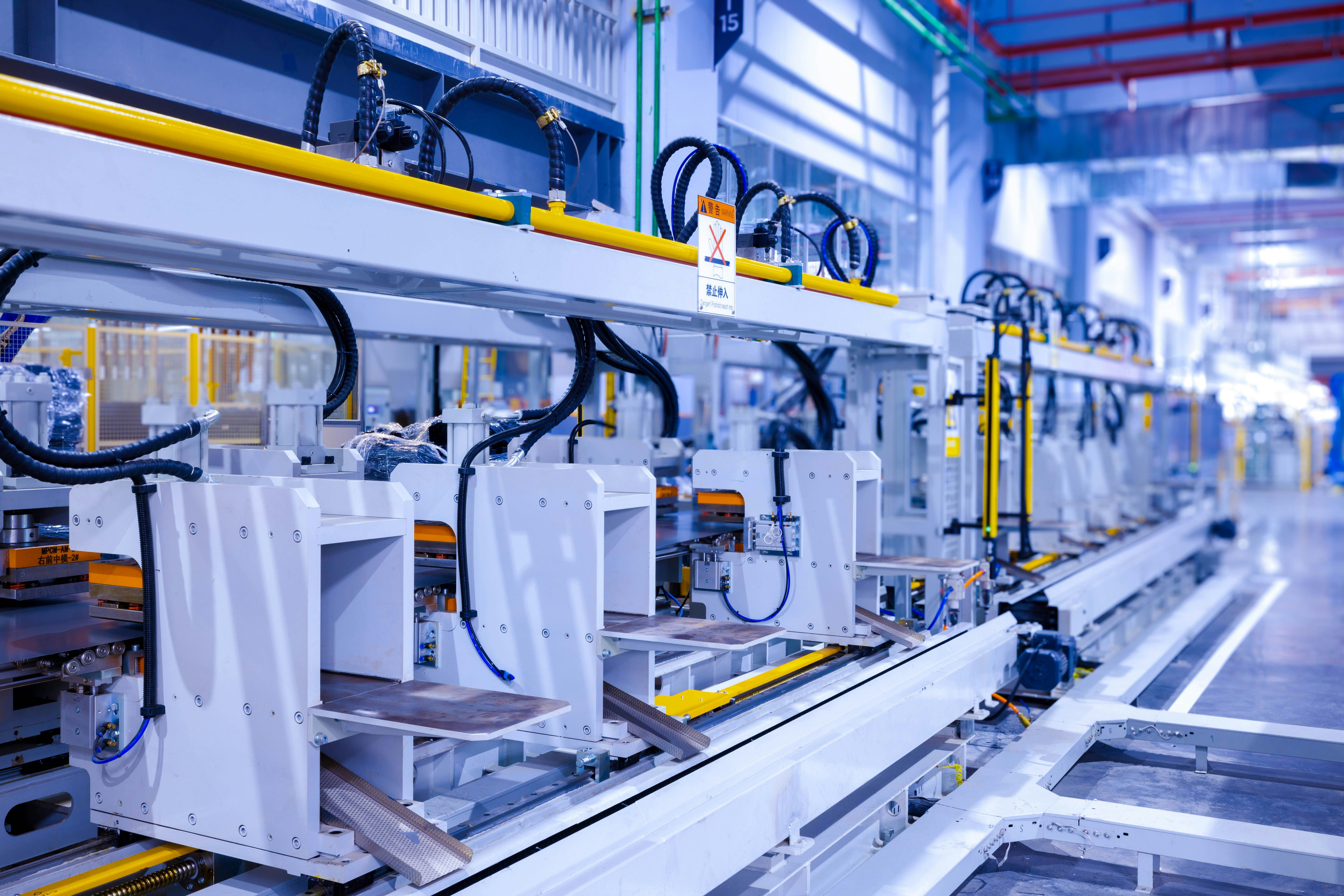
A familiar problem: the numbers arrive after the shift
A supervisor closes a shift, gathers handwritten counts, asks maintenance for downtime notes, and sends a spreadsheet to the plant head. The ERP may show the order and planned quantity, while the machine data lives in PLCs or not at all. Quality records are somewhere else. By the time those views are reconciled, the line has moved on and the opportunity to correct the loss has passed.
This gap is common in factories that have digitised finance and inventory but still depend on manual observation at the point of production. A manufacturing intelligence platform aims to close that visibility gap: collect signals close to the process, put them in operational context, and route the right exception to someone who can act.
What the category means
There is no single universal product boundary for “manufacturing intelligence platform.” In practice, the category describes software that turns manufacturing data into timely insight for production, quality, maintenance, and plant leadership. It may combine machine connectivity, operational dashboards, event history, alerts, analytics, and workflows.
Think of it as an intelligence layer across systems, rather than one more spreadsheet destination. A useful platform can show a machine stop alongside the shift target, product being made, defect trend, and a recent maintenance alert. The aim is not a dashboard for its own sake; it is a shorter path from a deviation to a decision.
How it differs from neighboring systems
| Enterprise resource planning (ERP): | ERP is usually the commercial and planning backbone: orders, materials, inventory, costing, and financial records. It often does not capture every machine state or short stop in real time. |
| Manufacturing execution system (MES): | MES commonly manages production execution: dispatching work, routing, operator instructions, genealogy, and confirmations. Some intelligence platforms overlap with these functions, so compare actual workflows rather than labels. |
| SCADA and historians: | These systems supervise processes and retain equipment signals. An intelligence platform may consume those signals and combine them with order, quality, or shift context. |
| Business intelligence: | General BI can analyse enterprise data, but factory use cases need reliable machine context, downtime definitions, line hierarchy, and shift calendars. |
What it can bring together
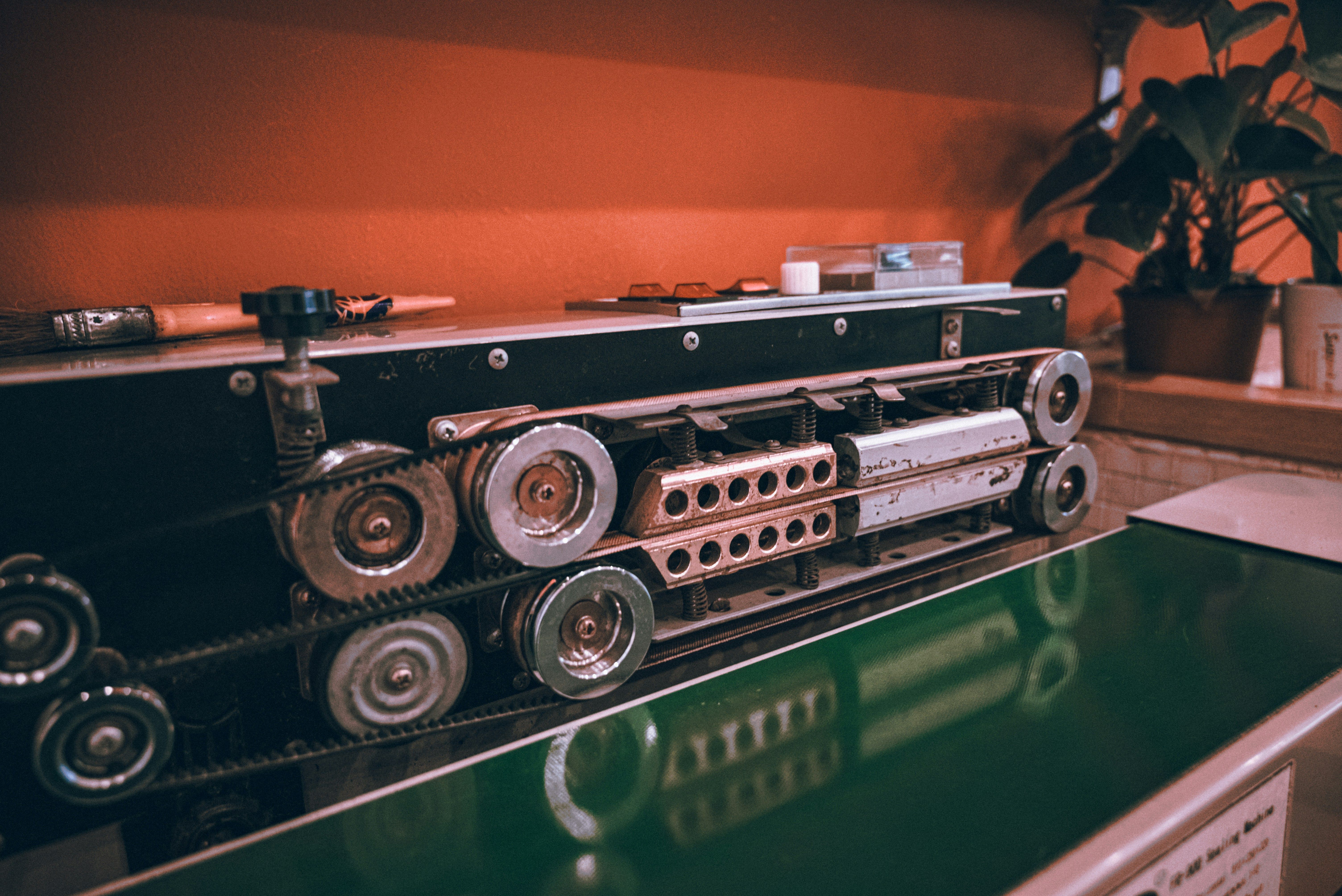
Machine and line status from PLCs or retrofit sensors; output counts and targets; planned and unplanned downtime; first-pass quality and defect observations; maintenance signals; energy consumption; and information from ERP or production records.
In Intellyx product materials, OEE Monitoring is described as calculating availability, performance, and quality from PLC, sensor, and ERP inputs, with downtime prompts and automated shift reports. The product site also describes Vision QC, predictive maintenance, energy monitoring, and digital twin modules. These are vendor descriptions; actual supported data sources and results should be confirmed during scoping.
A realistic example on an Indian shop floor
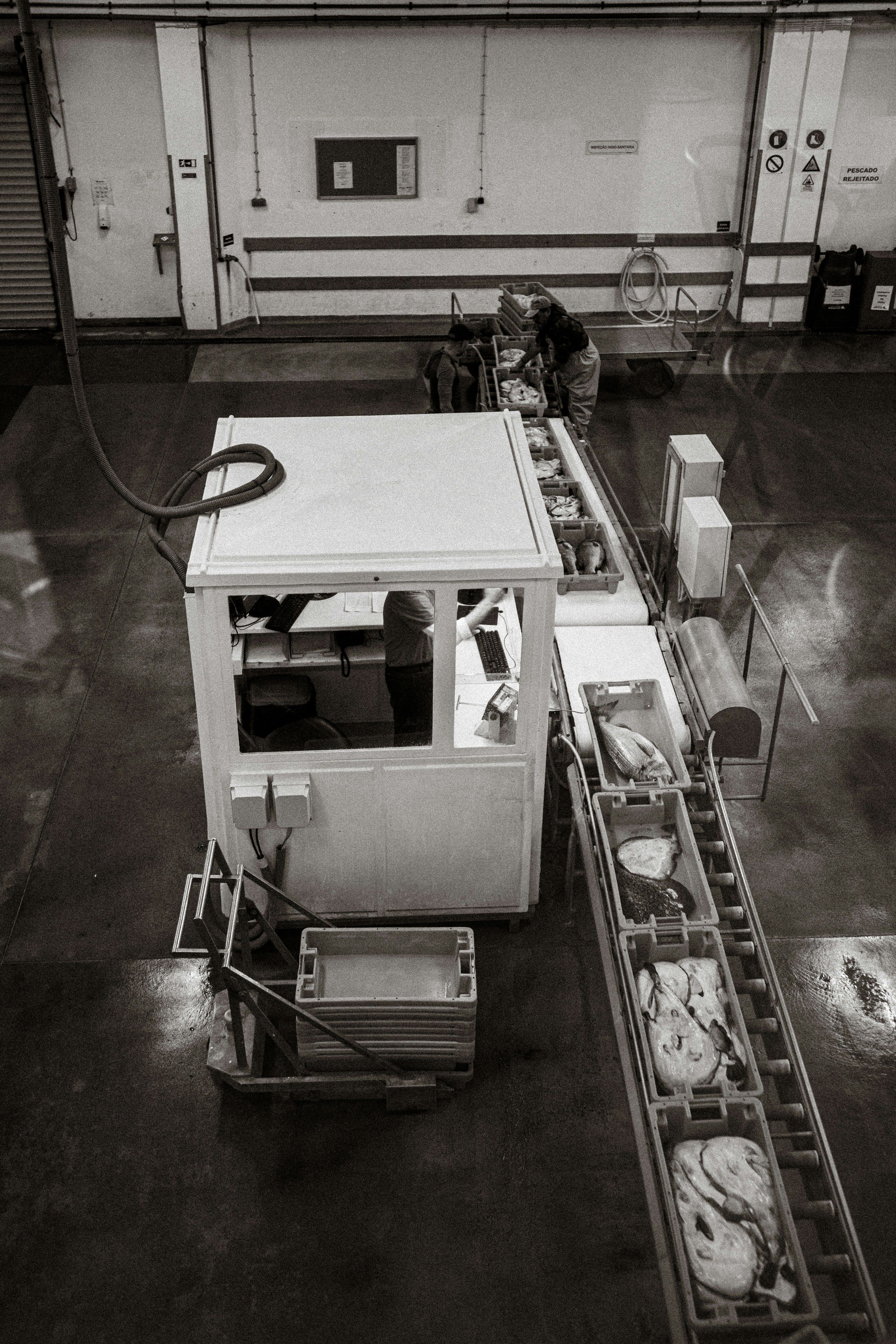
Imagine a packaging line that repeatedly misses its evening-shift target. An end-of-day total says output was short, but not why. Machine-state collection shows frequent short stops; the operator classifications reveal that several are film-feed adjustments. Quality records show those stops cluster around a particular packaging material lot. The improvement discussion can now test a specific hypothesis with production and quality teams, rather than treating the shortfall as a generic “operator issue.”
The platform has not fixed the machine or material. It has made the pattern visible early enough for people to investigate and verify whether a corrective action changes the result.
What to evaluate before choosing one
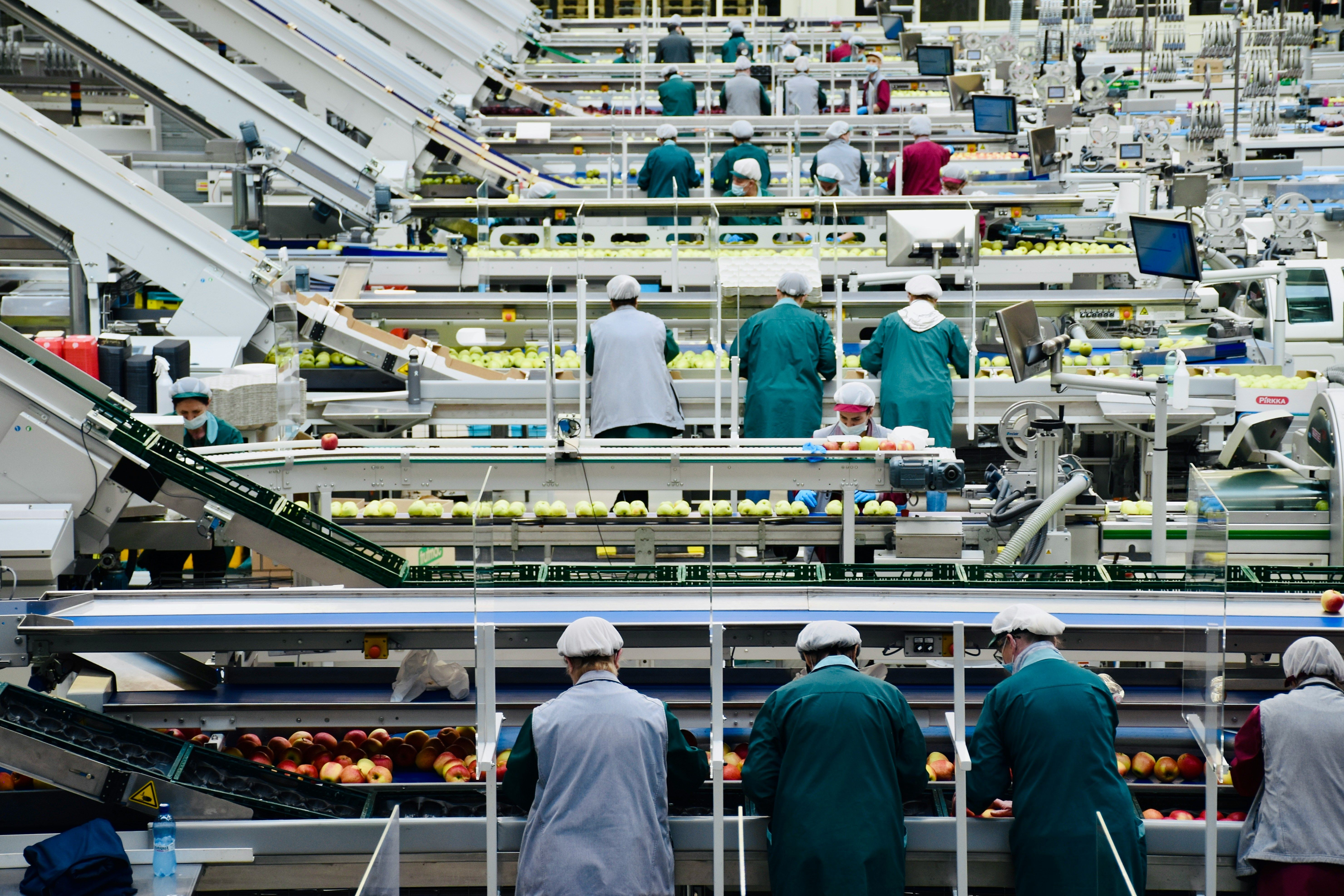
| Connectivity: | Can it read your current PLCs and systems? What is the plan for older machines without a digital interface? |
| Metric definitions: | How are planned time, changeovers, ideal cycle time, rejects, and micro-stops defined? Can teams inspect the calculation? |
| Response workflow: | Who receives an alert, how is it acknowledged, and how does a recurring issue become an improvement action? |
| Deployment and ownership: | Clarify required hardware, network access, data hosting, training, support, and what plant staff must maintain. |
| Evidence: | Ask for a pilot with a baseline, agreed measures, and a review window. Separate vendor-reported outcomes from results demonstrated in your plant. |
Where Intellyx fits
Perimattic positions Intellyx as a manufacturing intelligence platform for Indian factories, with modules that can be selected around operational needs. Its published deployment overview describes a staged Connect, Deploy, Train, and Go Live process over roughly 60–90 days, with no ERP replacement. Treat timelines as vendor guidance; the real schedule depends on machine access, data readiness, integration scope, and site complexity.
A sensible first deployment is narrow: one production area, a decision that matters, and enough data to test whether visibility changes action. Expand after operators and managers trust the measurements.
Conclusion
Manufacturing intelligence is useful when a plant needs a dependable view of what is happening now, why performance is changing, and who should respond. The best starting point is not a feature list. It is a recurring operating question the current mix of ERP, spreadsheets, and manual checks cannot answer quickly enough.
Explore the Intellyx product page and ask for a scoped discussion around your plant’s machines, measures, and response workflows.
Sources and further reading
- Intellyx product overview | https://perimattic.com/products/perimattic-intellyx/
- Intellyx OEE Monitoring | https://perimattic.com/products/perimattic-intellyx/oee-monitoring/
- Intellyx deployment overview | https://perimattic.com/products/perimattic-intellyx/how-it-works/
- Perimattic reference article: predictive vs preventive maintenance | https://perimattic.com/predictive-maintenance-vs-preventive-maintenance/
- Perimattic reference article: AI demand forecasting tools | https://perimattic.com/ai-powered-demand-forecasting-tools/